



Your Reliable Powder Coating Raw Materials Manufacturers
With 28 years of expertise in the powder coatings industry, we leverage deep industry insights and Strong manufacturing capabilities to deliver high-quality raw materials, production optimization, and tailored supply chain solutions.
Request A QuotePCOTEC Core Advantages
Full-Range Material System
Consistent & Reliable Quality
Industrial-Grade Performance
Customizable Solutions
Supply Chain Assurance
Sustainability









Main Products

Silicone Resin
Polyester Resins
Heat Resistant
Silicone Resin can help organic resin systems reach continuous heat resistance up to 600°C when 30% silicone is introduced into the formulation. This is valuable for coating factories producing powder coatings for metal parts, high-temperature equipment and surfaces exposed to long working heat. Better heat resistance helps reduce coating failure, color change and customer complaints after application.
Reactive Compatibility
This resin contains silanol groups and can be cold blended or copolymerized with organic resin systems according to formulation needs. For coating manufacturers, this makes heat resistance and weatherability improvement easier to test without rebuilding the full raw material system. Better compatibility also helps reduce trial waste when technical teams adjust resin ratios during product development.
1、Silanol Functionality
The silanol functional groups support reactivity during coating formulation adjustment. This structure helps formulators improve compatibility, curing response and long-term coating stability when working with organic resin systems. Buyers should select the proper grade based on the final coating temperature, resin combination and application target.
2、Solid Resin Form
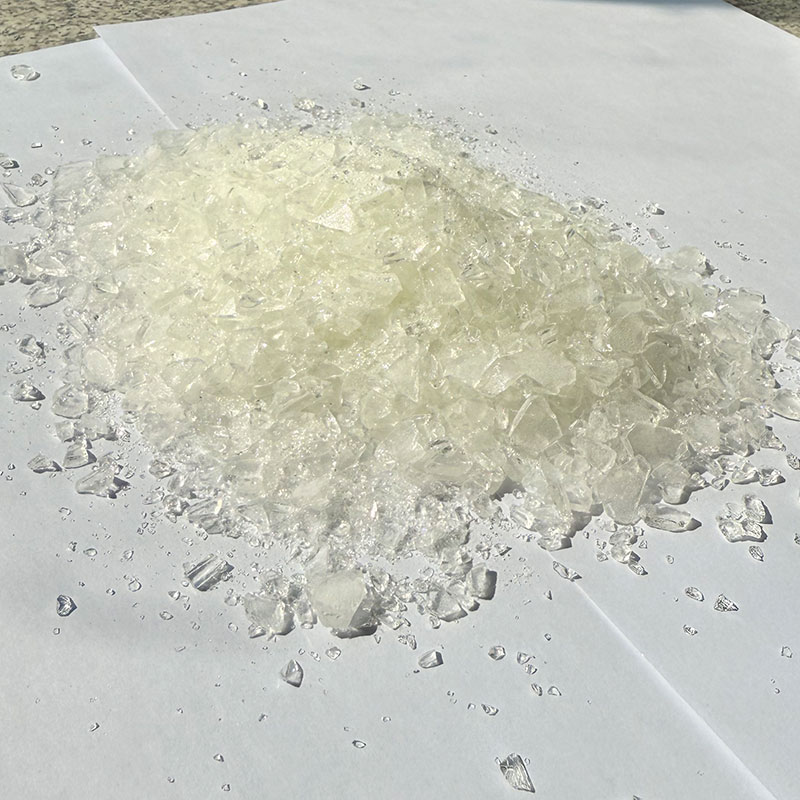
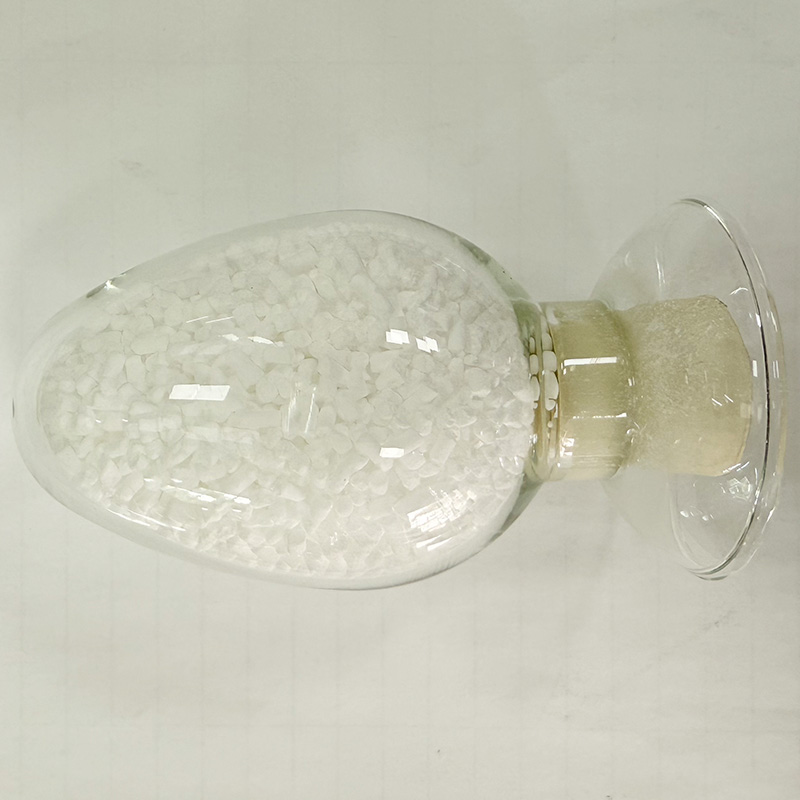
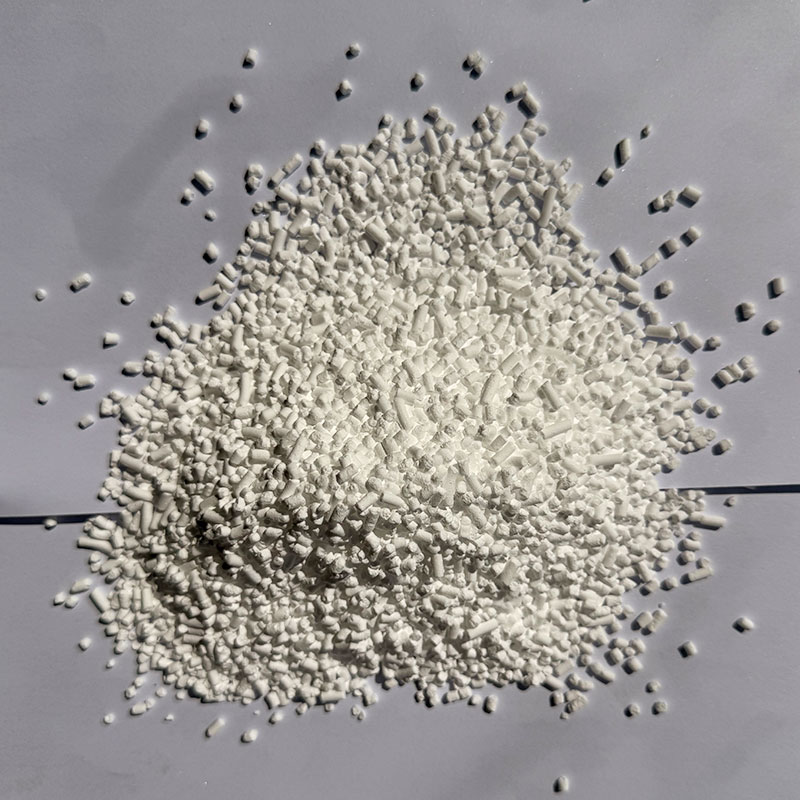
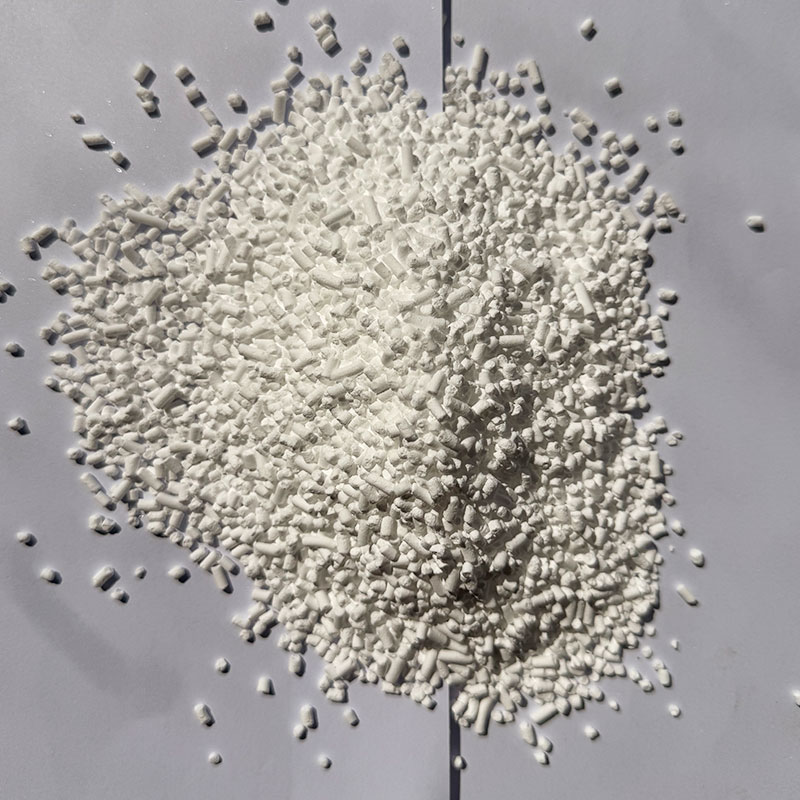
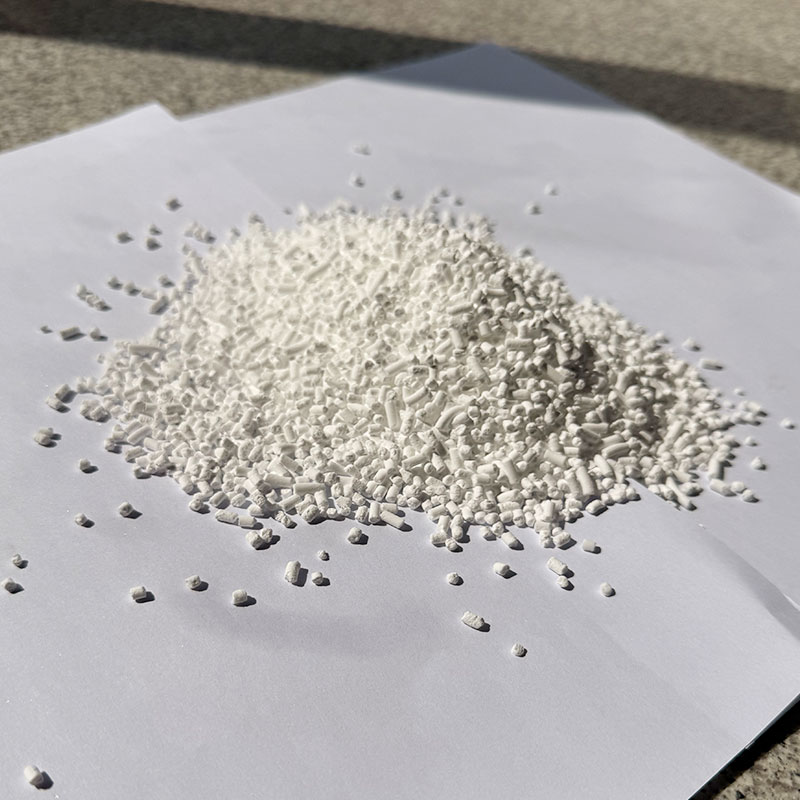
Silicone Resin is supplied in solid form, making it suitable for powder coating systems where dry handling and formulation consistency matter. Solid resin is easier to manage during blending and compounding than liquid materials that may create dosing or storage problems. For coating factories, this supports cleaner material handling and more controlled batch preparation.
3、Grade Selection
Available grade indicators include PCT-9013, PCT-9018 and PCT-6618, with silica content around 50 to 64 and Tg values around 41°C to 48°C. These grade differences help buyers compare heat resistance, compatibility and coating performance before testing. Proper grade selection can reduce repeated trials and make production validation more efficient.
Polyester TGIC
Curing Agents
Stable Crosslinking
Polyester TGIC works as a crosslinking agent for pure polyester powder coatings, with dosage adjusted according to polyester resin acid value. This gives formulators a clearer technical basis when balancing curing reaction, film hardness and coating durability. For powder coating factories, stable crosslinking helps reduce failed trials, batch variation and repeated formula correction.
Low Volatile
The volatile content is controlled at ≤0.5%, which is important for powder coating production where surface quality and curing stability matter. Lower volatile content helps reduce curing defects caused by gas release, especially when buyers need smoother coating film and better surface consistency. For B2B customers, this can lower rework pressure and improve finished coating reliability.
1、White Powder Form
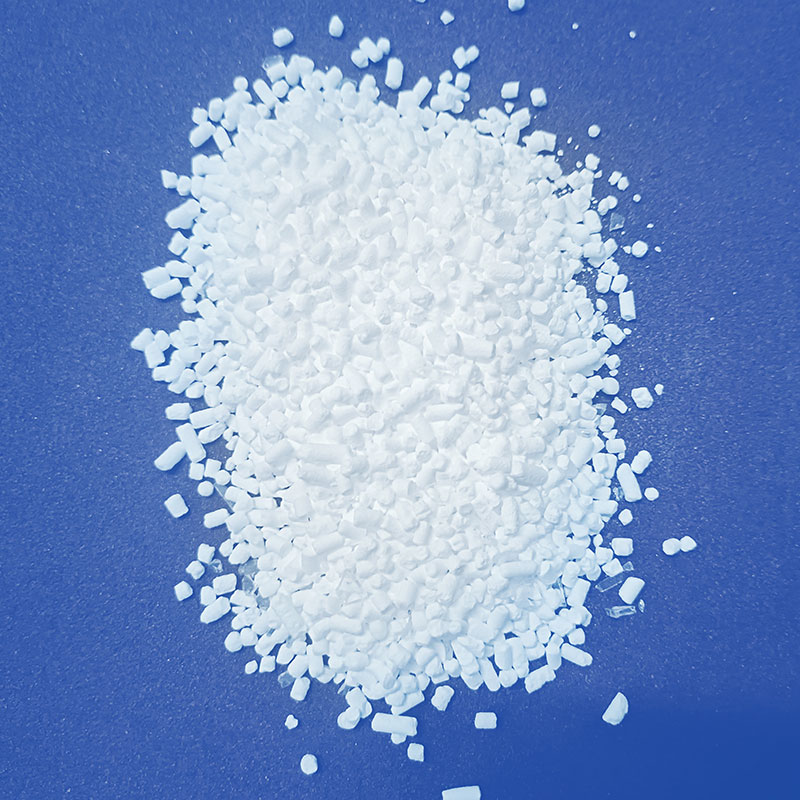
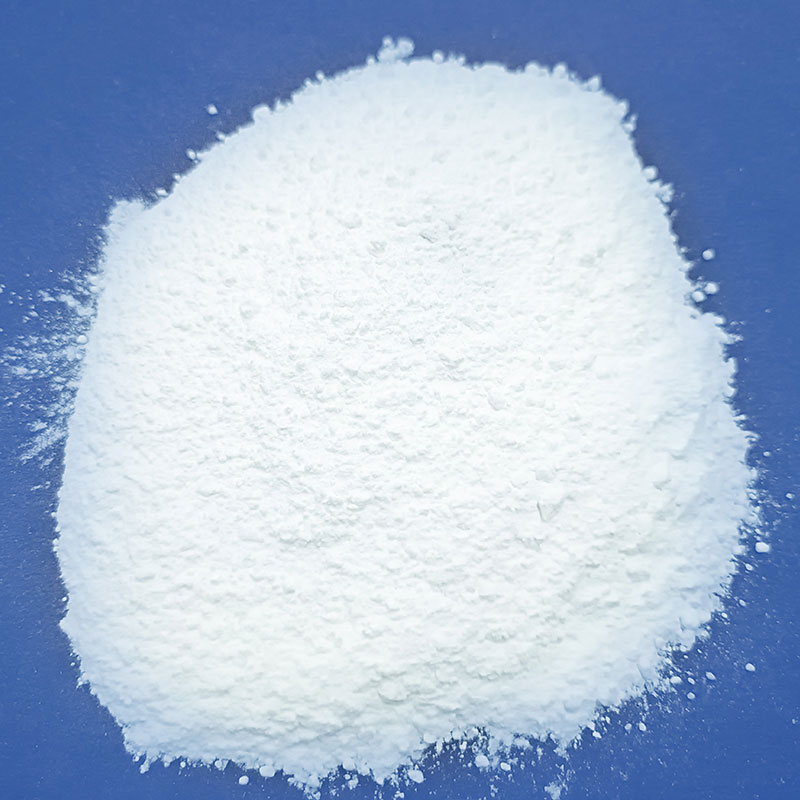
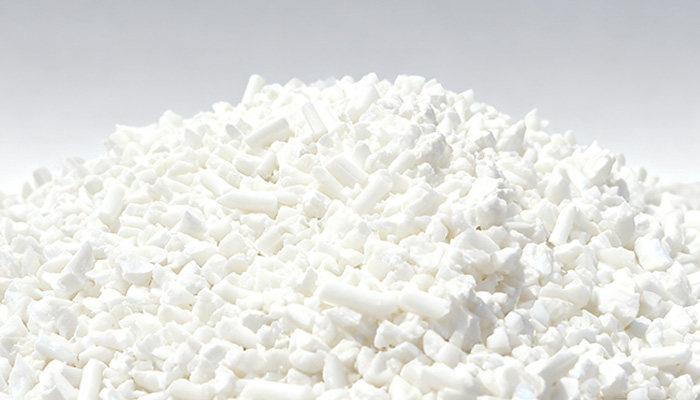
Polyester TGIC is supplied as white granules or powder, making it suitable for dry blending, extrusion and powder coating formulation handling. This material form supports cleaner dosing and easier workshop storage compared with liquid additives. For production teams, stable feeding helps improve batch preparation and formulation control.
2、Controlled Epoxy Value
The product grades include TK-902 and TK-906, with epoxy equivalent indicators shown as ≤110 and 105. Epoxy equivalent is a key reference when formulators calculate reaction balance with polyester resin. Clear grade data helps buyers reduce uncertainty before pilot testing and lowers the risk of curing deviation in production.
3、Curing Temperature Fit
The melting range is 95–125°C, and viscosity at 120±1°C is shown as ≤100 mPa·s. These indicators help coating engineers judge how the curing agent behaves during extrusion, dispersion and curing. Proper melting and flow behavior support more stable film formation after curing.
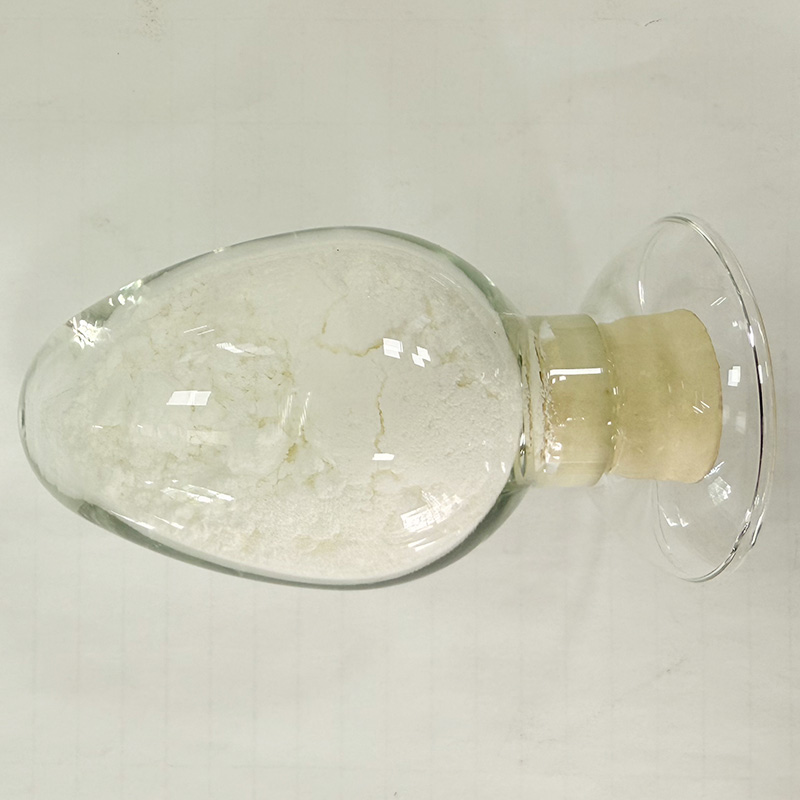
HAA
Curing Agents
HAA are tetra-functional β-hydroxyalkylamide (HAA) compounds with excellent mechanical and weather resistance properties. They crosslink with carboxylated polyester or acrylic resins to produce non-toxic, skin-friendly, and environmentally friendly outdoor weather-resistant powder coatings, offering a safer alternative to TGIC.

Polyester Resins
Polyester Resins
Polyester resins are essential film-forming materials widely used in powder coatings due to their excellent weatherability, stable curing behavior, and strong mechanical performance. Their molecular structure can be precisely engineered through controlled acid value, molecular-weight distribution, and end-group design, enabling balanced flow, gloss, and outdoor durability.
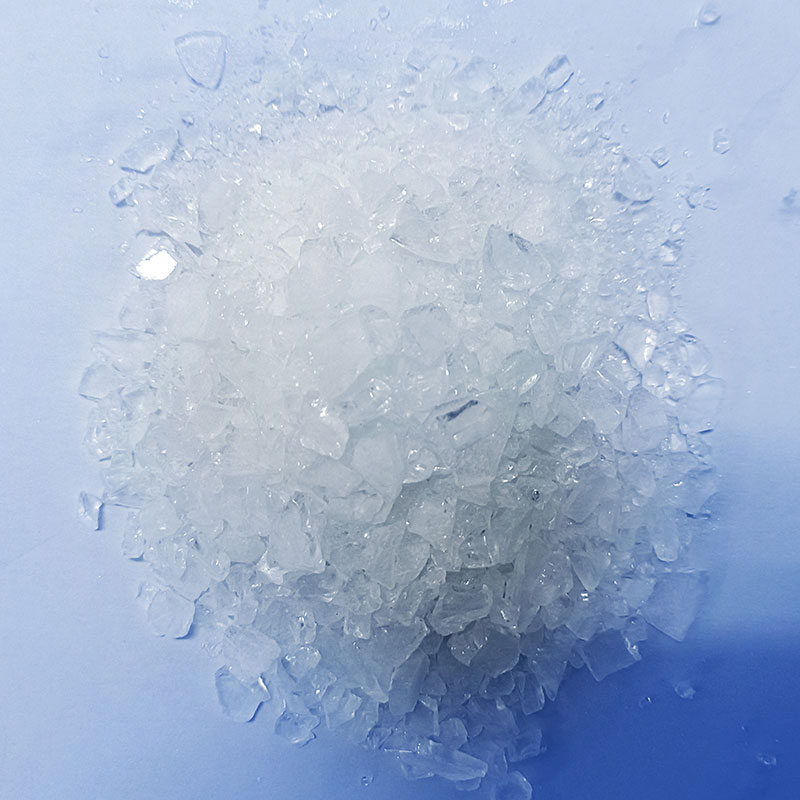
TGIC-Cured Polyester Resin System
Polyester Resins
TGIC-cured polyester resin systems are recognized for their outstanding outdoor durability, strong crosslink density, and long-term weather resistance. Compared with other curing technologies, TGIC systems offer a broader processing window, stable extrusion behavior, and consistent film formation even under demanding production conditions.
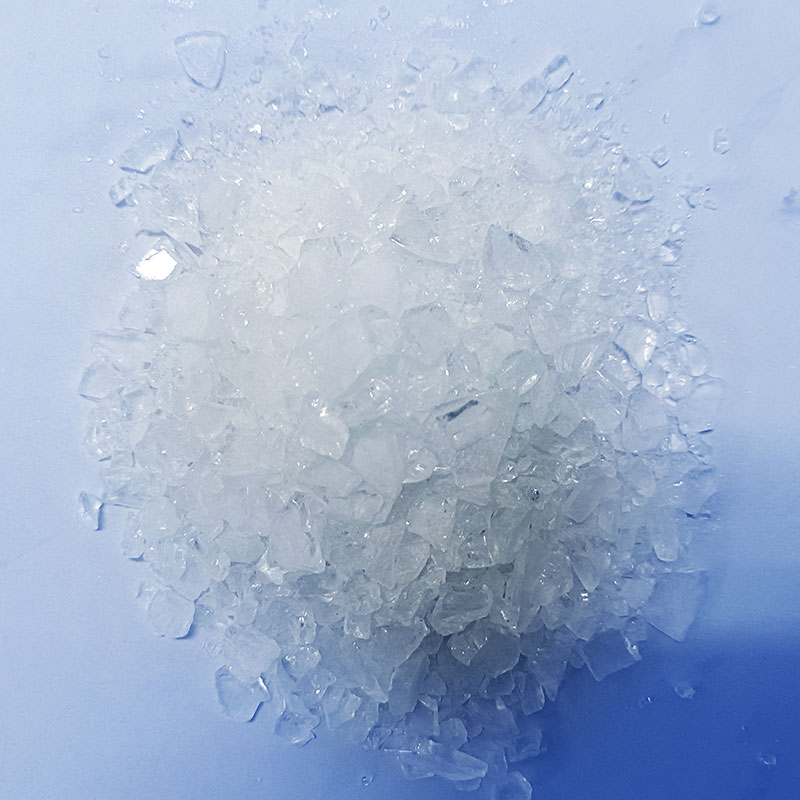
Primid (HAA-Cured) Polyester Resin System
Polyester Resins
Primid polyester resin systems provide an environmentally friendly curing route with zero formaldehyde release and excellent color stability.
●PCT9505 provides balanced overall performance with superior indoor durability and a clean, uniform film finish.
●PCT9106 offers a versatile curing profile, supporting high-gloss formulations with HAA or matte finishes when combined with GMA resins.
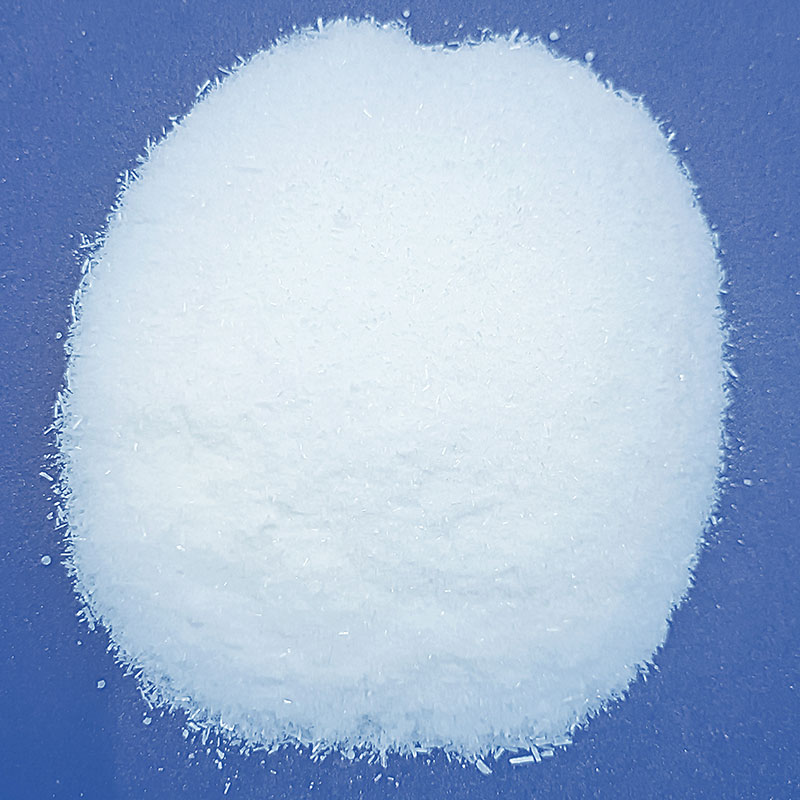
Leveling Agent Mode
Additives
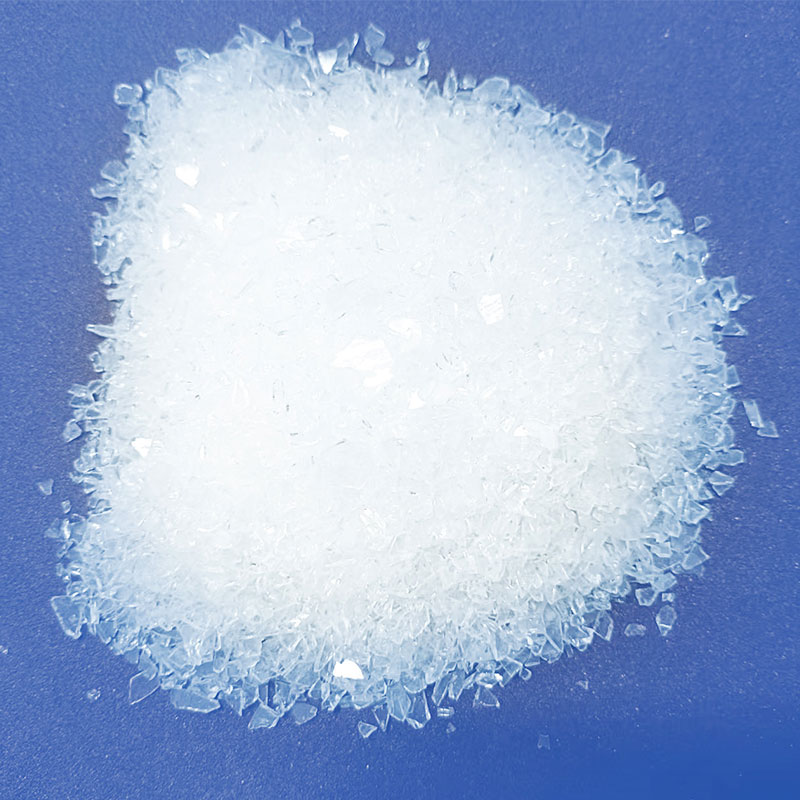
This leveling agent is based on an acrylate polymer and is designed to adjust surface tension, homogenize the coating, and significantly improve leveling during curing. It effectively reduces orange peel and eliminates shrinkage cavities while providing strong wetting performance through an integrated wetting accelerator. Produced with specialized processing technology, it disperses easily in powder formulations and does not contain silicone, ensuring clean application without affecting recoating adhesion. With a recommended dosage of 0.6–0.8% and full compatibility across all powder coating systems, this additive delivers stable appearance control and reliable defect reduction.
Powder Surface Modifier
Additives
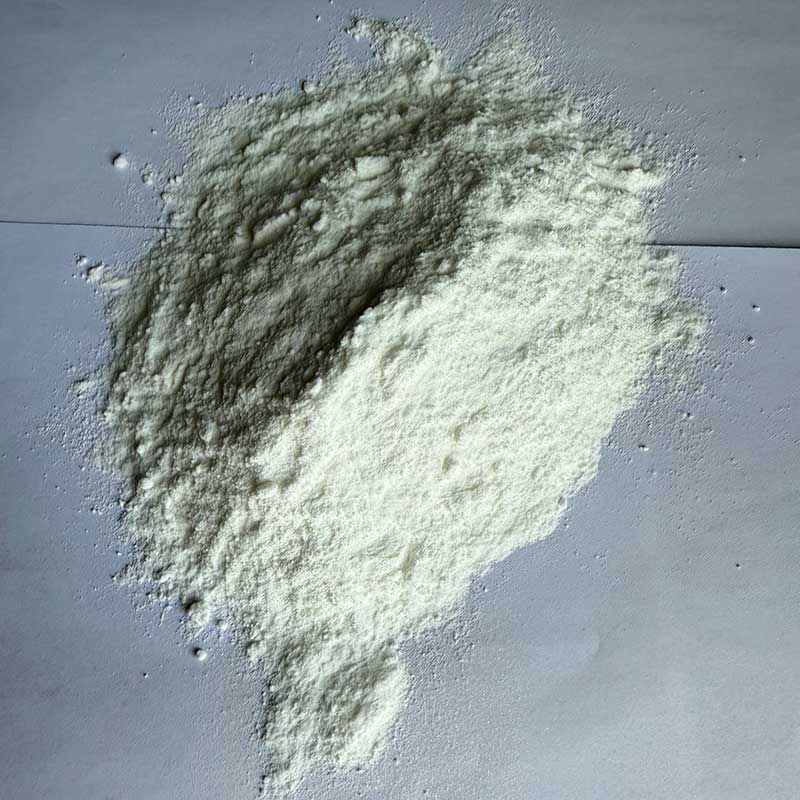
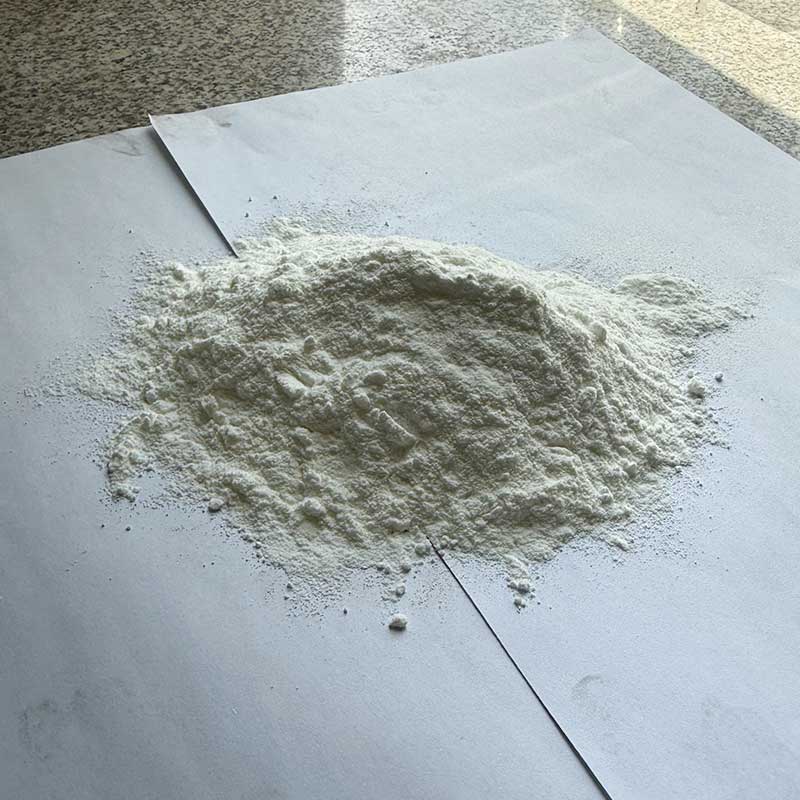
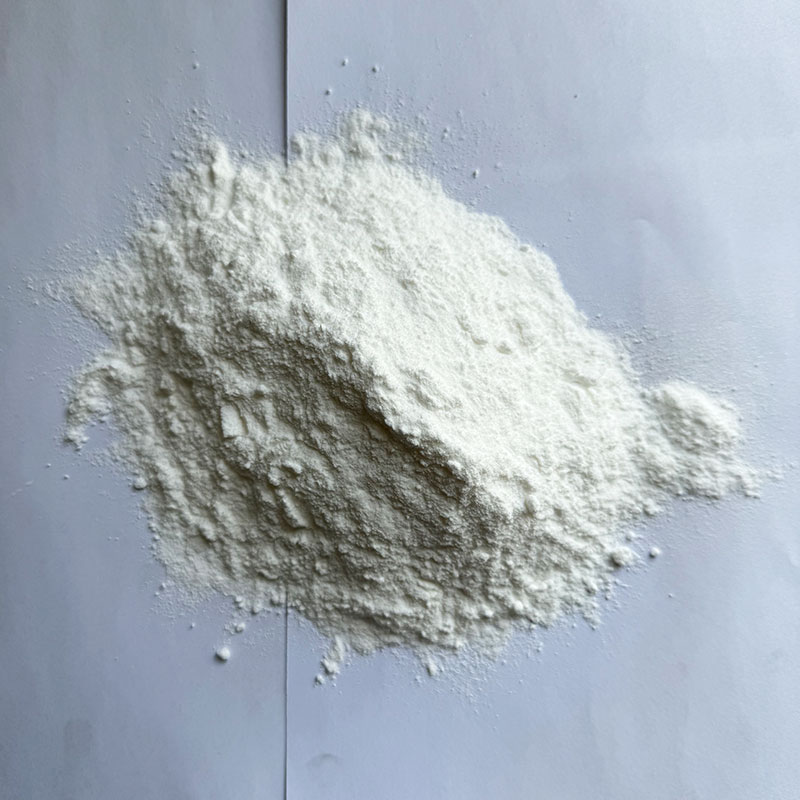
This powder surface modifier is a high-purity additive designed to improve the overall surface quality of powder coatings. It provides strong wetting performance on polar additives and coated substrates, helping the melt layer flow more uniformly during curing. As a result, it effectively eliminates shrinkage defects, enhances gloss, and improves film smoothness.
With an active content above 99% and extremely low volatility, the product disperses easily and performs reliably in extrusion and application. It also strengthens the contamination resistance of the coating film and prevents the formation of shrinkage pores, making it suitable for use across all major powder coating systems requiring stable and high-quality surface appearance.
Indoor Physical Matting Agent Model
Additives
M311 is a pure physical matting agent designed to deliver stable and controllable gloss reduction without participating in chemical reactions. Unlike chemical matting systems, it does not consume epoxy groups, produces no smoke during curing, and shows excellent resistance to yellowing. M311 provides a minimum 3-degree matting effect while maintaining consistent film appearance and process stability. Its purely physical matting mechanism ensures predictable gloss control and makes it a more economical option compared with traditional chemical matting agents used in powder coatings.


Outdoor Physical Matting Additive
Additives
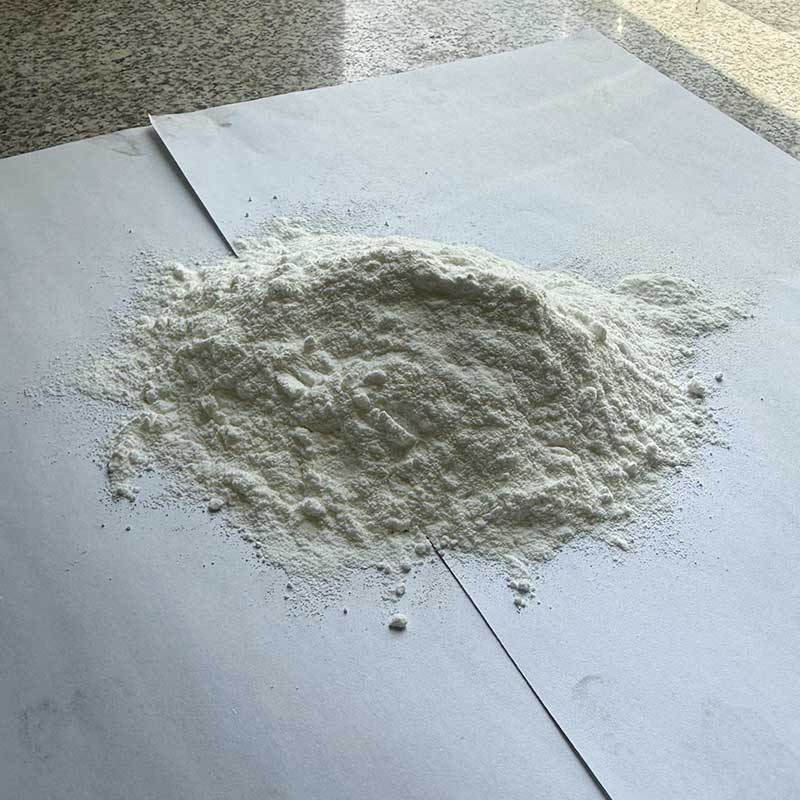
M312 is a low–wax, resin-based physical matting agent designed specifically for outdoor TGIC powder-coating systems. With an addition level of 3–6%, it provides stable matte finishes in the 10–30% gloss range, making it ideal for architectural, industrial, and black-tone coatings. Thanks to its low wax content and controlled particle morphology, M312 offers excellent stability, uniform appearance, and minimal gloss or color shift even under over-baking conditions. Its formulation enables consistent outdoor performance while maintaining strong compatibility across various powder-coating applications.

Acrylic Extinction Resin
Additives
Acrylic extinction resin is an epoxy–acrylic polymer designed to chemically react with polyester resins to achieve controlled low-gloss finishes in powder-coating systems. When added in the proper ratio, it produces a stable extinction effect with uniform matte appearance and fine surface texture. This resin offers excellent leveling performance, reliable mechanical strength, and consistent curing behavior, making it suitable for outdoor polyester powder coatings requiring low gloss and durable film properties.
Usage And Dosage:
Add all materials according to the formula, after full mixing, extrude in 95~105°C(should not exceed 110°C, and can not be repeatedly extruded), and then crush and screening 180, look for use.

Benzoin
Fillers
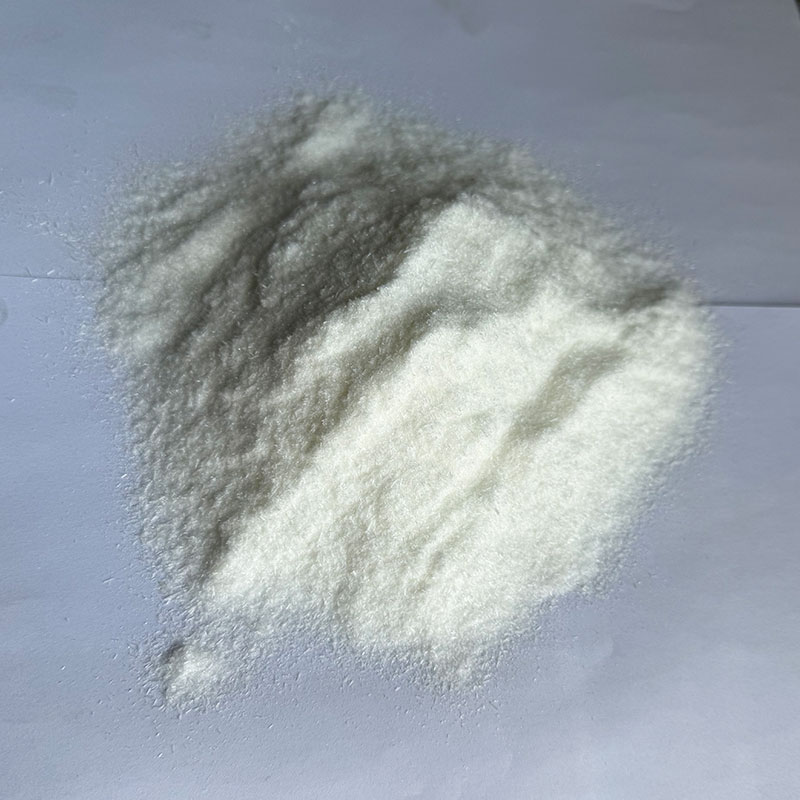
Benzoin is an essential degassing agent used in powder coatings (e.g., appliances, automotive parts) to prevent pinholes and surface defects during curing. With high purity and a melting range of 133–137°C, it vaporizes at the appropriate stage of the curing process, effectively releasing trapped gases from the film. Its degassing action ensures:
● Enhanced aesthetic quality
● Improved corrosion resistance
● Reduced rework/scrap rates
Micro Wax Power
Additives
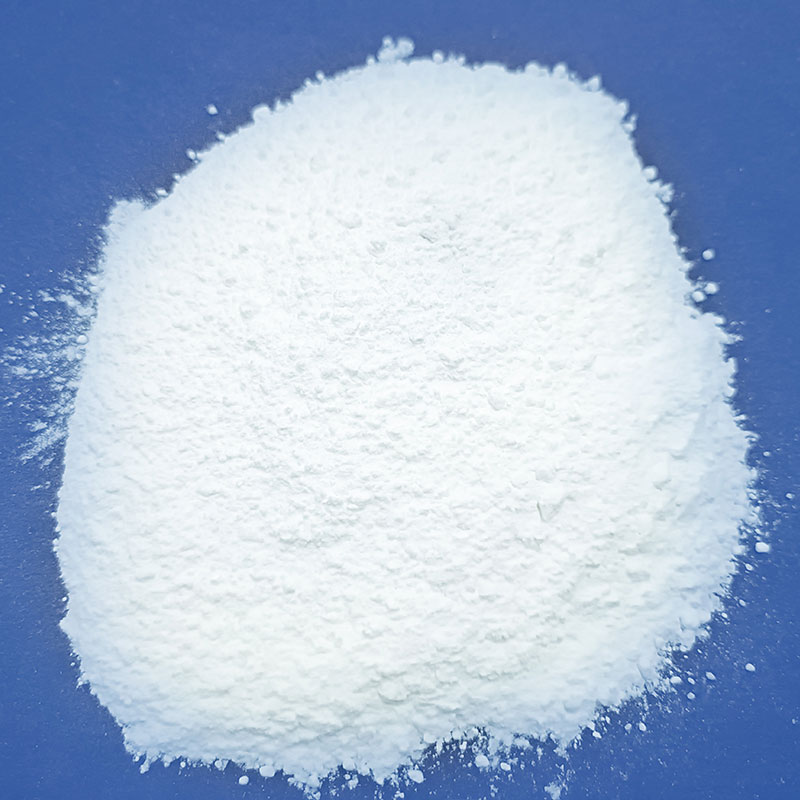
Micronized wax is a finely processed powder additive used to enhance surface smoothness, abrasion resistance, and overall film performance in powder coatings. With controlled particle size and high melting stability, it improves powder flow, scratch resistance, and dispersibility during extrusion and curing. Its balanced wetting and lubrication properties make it a cost-effective solution for achieving better surface quality across various coating formulations.
Titanium Dioxide
Fillers
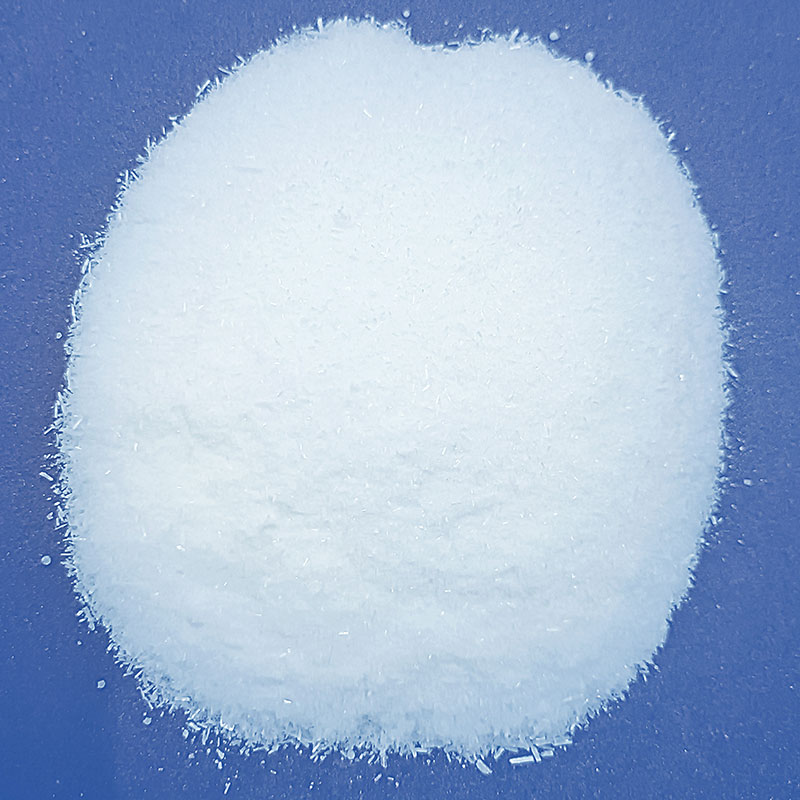
Titanium dioxide is a high-purity white inorganic material known for its exceptional opacity and brightness in powder coatings. It offers strong UV stability, excellent whiteness retention, and consistent hiding performance, making it essential for achieving durable, clean, and visually uniform film appearance in demanding applications.
Our advantage
Proven Material Expertise
Certified Quality & Traceability
Technical Customization & Application Support
Sustainable Chemistry Commitment
Global Supply & Reliable Service

Key Applications
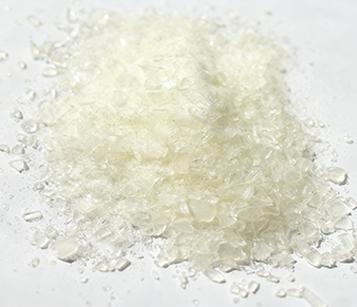
Silicone Resin is a high-performance polymer designed for powder coatings requiring exceptional thermal endurance, oxidation resistance, and long-term stability.
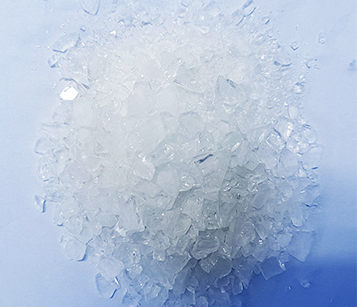
Polyester resin is the core film-forming binder used in modern thermosetting powder coatings. It provides the structural backbone of the coating film, determining essential properties such as weatherability, hardness, mechanical strength, chemical resistance, and long-term durability.
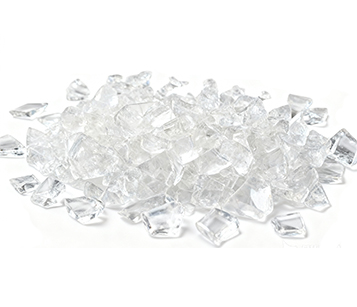
Epoxy resin is a high-performance thermosetting polymer widely used in metal coatings, protective finishes, electrical insulation, and corrosion-resistant systems.
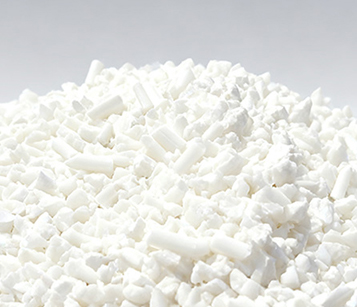
Curing agents are essential reactive components used in thermosetting powder coatings. They chemically crosslink with polyester or epoxy resins to create a solid, durable, three-dimensional coating network.
FAQ Use & Operation
How Should HAA Powder Be Stored?
HAA curing agents and HAA-based powder coatings should be stored in their original, tightly sealed packaging in a cool, dry, clean environment. Avoid excessive heat, moisture, direct sunlight, and contamination, and follow the product-specific technical data sheet for storage limits and shelf life.
Does HAA Powder Mean a Curing Agent or a Finished Powder Coating?
The term can refer to two different materials.
HAA curing agent is a reactive raw material used with compatible carboxyl-functional polyester resin.
HAA-based powder coating is the finished powder formulation containing resin, curing agent, pigments, and other additives.
Both require appropriate storage, but their packaging instructions and shelf lives may differ.
At PCOTEC, our HAA curing agents include grades such as TK-H220 and TK-H320. Buyers should consult the relevant product documentation for the exact handling and storage requirements.
What Are the Recommended Storage Conditions?
The most important conditions are temperature control, low moisture exposure, clean surroundings, and sealed packaging.
01 - Temperature
Keep the material within the temperature range specified in its technical data sheet. A cool warehouse at or below approximately 25°C is a common starting point for many powder coating materials, but the product-specific limit takes priority.
02 - Humidity
Keep the storage area dry and prevent moisture from entering opened packaging.
03 - Packaging
Keep the material in its original container or a suitable tightly sealed replacement approved for the product.
04 - Light and Heat
Avoid direct sunlight, hot equipment, and locations where temperatures fluctuate significantly.
05 - Cleanliness
Store materials away from dust, chemicals, water, and other potential contaminants.
Why Is Moisture a Problem for HAA Materials?
Moisture can affect the physical condition of powder materials and may contribute to clumping or inconsistent feeding during production.
For finished powder coatings, poor flow can lead to irregular application and surface defects.
For HAA curing-agent raw materials, moisture exposure and contamination should also be avoided according to the supplier's handling instructions.
Storage-related problems may not be obvious from the package exterior, so operators should inspect the material before use.
How Should Opened Packages Be Handled?
Once a package has been opened, minimize its exposure to ambient air.
01 - Reseal the package promptly after taking the required quantity.
02 - Use clean, dry scoops and handling equipment.
03 - Avoid returning contaminated material to the original package.
04 - Keep opened materials clearly identified.
05 - Record the batch number and opening date where required by the plant's quality system.
06 - Follow the supplier's instructions for unused material and disposal.
Good handling practices help reduce contamination and improve batch-to-batch consistency.
How Long Can HAA Powder Be Stored?
There is no single shelf-life period that applies to every HAA curing agent or HAA-based powder coating.
Shelf life depends on the product formulation, packaging, storage conditions, and manufacturer's specifications.
The product label and technical data sheet should be used to determine the recommended storage period.
If material has exceeded its stated shelf life, do not assume that it remains suitable simply because it looks normal.
Check for clumping, discoloration, contamination, or other changes, and arrange appropriate testing before using it in production.
What Happens if HAA Powder Is Stored Incorrectly?
Poor storage can create several operational problems.
Clumping
Powder may form agglomerates that interfere with handling and feeding.
Inconsistent Application
Changes in powder flow can affect electrostatic application and coating uniformity.
Surface Defects
Contamination or unsuitable material condition may contribute to defects in the cured film.
Production Interruptions
Material that fails inspection may need to be isolated, tested, or replaced.
For manufacturers producing large batches, these problems can increase material waste and delay delivery schedules.
What Should Manufacturers Check Before Using Stored HAA Materials?
Before production, operators should confirm:
01 - Product identity and batch number.
02 - Expiry date or recommended storage period.
03 - Package integrity.
04 - Signs of moisture exposure or contamination.
05 - Physical condition and flowability where applicable.
06 - Compatibility with the intended polyester resin.
07 - Required curing conditions.
08 - Any testing required by the quality-control procedure.
At PCOTEC, we recommend matching raw-material inspection with the requirements of the intended formulation instead of relying on appearance alone.
Request HAA Curing-Agent Support
PCOTEC supplies HAA curing agents and polyester powder coating raw materials for manufacturers developing TGIC-free formulations.
Our team can discuss material selection, formulation compatibility, packaging, and technical requirements for your production process.
Powder Coating FAQ: Answers to Your Most Common Questions
Powder coating is a finishing process in which dry coating powder is applied to a prepared surface and cured to form a continuous film. Its performance depends on the coating chemistry, substrate preparation, application method, film thickness, and curing conditions.
What Is Powder Coating Made Of?
A typical thermosetting powder coating contains several components.
01 - Resin, which forms the main coating film.
02 - Curing agent, which reacts with the resin during baking.
03 - Pigments, which provide color and opacity.
04 - Fillers, which influence formulation cost and selected physical properties.
05 - Additives, which control flow, degassing, gloss, texture, and other characteristics.
At PCOTEC, our powder coating raw-material portfolio includes polyester resins, curing agents, pigments, fillers, and additives for different industrial applications.
How Does Powder Coating Work?
Powder coating generally involves three main stages.
Surface Preparation
The metal substrate is cleaned and pretreated to support adhesion and corrosion protection.
Powder Application
Electrostatic spraying or another suitable application method deposits powder onto the prepared surface.
Curing
The coated component enters an oven, where the powder melts, flows, and reacts to form a continuous coating film.
The correct process settings depend on the formulation, substrate, component geometry, and required finish.
What Is the Difference Between Polyester and Epoxy Powder Coating?
Polyester powder coatings are widely used for exterior applications because suitable formulations offer weathering and UV resistance.
Epoxy powder coatings are commonly selected for indoor applications where adhesion and chemical resistance are important, but conventional epoxy systems can chalk or lose appearance under prolonged outdoor exposure.
Hybrid epoxy-polyester systems are also used for selected indoor products.
| Coating Type | Common Application | Main Consideration |
|---|---|---|
| Polyester | Outdoor furniture and architectural metal | Weathering performance |
| Epoxy | Indoor industrial components | Chemical and corrosion protection |
| Epoxy-Polyester Hybrid | Indoor appliances and furniture | Balanced indoor properties |
The correct choice depends on the required performance and exposure conditions.
What Are TGIC and HAA in Polyester Powder Coatings?
TGIC and HAA are curing agents used with compatible polyester resins.
TGIC is an epoxy-functional curing agent, while HAA provides a TGIC-free curing route.
Both can produce durable coatings when correctly formulated and cured.
The choice depends on the application, destination-market requirements, resin compatibility, and production conditions.
Manufacturers should not replace one curing agent with the other without reviewing the formulation.
How Long Does Powder Coating Last?
There is no universal service-life figure for every powder coating.
A properly specified exterior polyester coating may provide around 10–15 years of useful service under suitable conditions, but exposure to UV radiation, salt, moisture, chemicals, and mechanical wear can change the result.
Durability also depends on pretreatment, film thickness, and curing quality.
For commercial projects, review product-specific test results and warranty conditions before making long-term performance commitments.
What Causes Powder Coating Defects?
Common defects include pinholes, orange peel, poor adhesion, uneven gloss, and color variation.
Possible causes include:
01 - Inadequate surface cleaning or pretreatment.
02 - Moisture or contamination in the powder.
03 - Incorrect film thickness.
04 - Unsuitable curing conditions.
05 - Poor grounding or inconsistent powder application.
06 - Incompatible formulation components.
Troubleshooting should begin by identifying where the defect occurs: material storage, pretreatment, spraying, curing, or the finished coating.
This approach is more effective than changing the resin or additives without confirming the cause.
How Should Powder Coating Materials Be Stored?
Powder coating materials should generally be kept in sealed packaging in a cool, dry, clean environment away from direct sunlight and excessive heat.
Moisture and high temperatures can cause clumping, poor flow, and application problems.
Storage limits and shelf life vary by product, so the supplier's technical data sheet should be followed.
For materials that have been stored for an extended period, check their physical condition and confirm performance before production use.
What Should Buyers Check Before Ordering Powder Coating Raw Materials?
For B2B procurement, the key considerations include:
01 - Intended application and substrate.
02 - Required indoor or outdoor performance.
03 - Resin and curing-agent compatibility.
04 - Target color, gloss, and texture.
05 - Curing temperature and time.
06 - Relevant technical data and safety documentation.
07 - Sample evaluation and production testing.
08 - Batch consistency and supply requirements.
At PCOTEC, we help manufacturers assess material requirements according to their coating process and target performance.
Request Powder Coating Raw-Material Support
Our team supplies polyester resins, TGIC, HAA, additives, and other materials for powder coating production. Share your application, current formulation, production conditions, and target properties so we can discuss suitable options.
What Is The Difference Between TGIC And HAA Polyesters?
TGIC and HAA are different curing agents used with carboxyl-functional polyester resins in powder coatings. TGIC uses epoxy-based crosslinking chemistry, while HAA provides a TGIC-free alternative. Their processing behavior, handling requirements, and coating performance depend on the complete formulation.
Are TGIC and HAA Types of Polyester Resin?
Strictly speaking, TGIC and HAA are curing agents, not polyester resins themselves.
Polyester resin provides the main film-forming structure. During baking, the curing agent reacts with the resin to form a durable crosslinked coating.
TGIC stands for triglycidyl isocyanurate. HAA stands for hydroxyalkylamide.
Both are used in polyester powder coating systems, but they follow different reaction pathways and require compatible resin formulations.
At PCOTEC, we supply polyester resins and curing agents for manufacturers developing different powder coating systems.
How Do TGIC and HAA Compare?
| Comparison Factor | TGIC System | HAA System |
|---|---|---|
| Curing Chemistry | Epoxy-functional crosslinker | Hydroxyalkylamide crosslinker |
| TGIC-Free Requirement | Does Not Meet It | Suitable for TGIC-Free Formulations |
| Outdoor Applications | Widely Used | Also Used in Suitable Exterior Formulations |
| Formulation Control | Requires Correct Resin and TGIC Ratio | Requires Correct Resin and HAA Ratio |
| Processing Considerations | Cure response and film formation | Cure response and release of reaction by-products |
| Handling | Follow TGIC-specific safety documentation | Follow HAA-specific safety documentation |
Neither system is universally better. The appropriate choice depends on the required performance, destination market, resin compatibility, and production conditions.
Which System Offers Better Outdoor Durability?
Both TGIC and HAA polyester systems can provide outdoor durability when properly formulated.
The result depends on the resin's weathering characteristics, pigment selection, curing conditions, film thickness, and quality of application.
TGIC systems have an established history in exterior powder coatings, including architectural aluminum profiles, railings, and outdoor equipment.
HAA systems are also used for exterior applications where a TGIC-free curing route is required.
For demanding projects, buyers should compare relevant weathering test results, gloss retention, color stability, adhesion, and mechanical properties rather than relying on the curing-agent name alone.
What Processing Differences Should Manufacturers Understand?
The curing chemistry influences how the coating behaves during extrusion, application, and baking.
TGIC reacts with carboxyl groups in the polyester resin through its epoxy functionality.
HAA reacts through hydroxyalkylamide chemistry. Its curing reaction releases water, so formulation and processing conditions must allow appropriate gas release before the coating film fully closes.
If the formulation, film thickness, or curing conditions are unsuitable, pinholes and other surface defects may occur.
For both systems, manufacturers should control resin properties, curing-agent dosage, extrusion conditions, particle-size distribution, and the actual curing profile.
Can TGIC Be Replaced Directly With HAA?
No. A direct one-for-one substitution is not recommended.
The two curing agents have different reactive groups and equivalent requirements. Their compatible resin grades and formulation ratios may also differ.
Changing from TGIC to HAA without reformulating the coating can affect gloss, flow, adhesion, impact resistance, solvent resistance, and surface appearance.
A controlled conversion should include:
01 - Selecting a compatible polyester resin.
02 - Calculating the appropriate curing-agent ratio.
03 - Reviewing additives and degassing requirements.
04 - Checking extrusion and application conditions.
05 - Testing the cured film against the original performance requirements.
06 - Confirming production consistency before full-scale implementation.
Which System Should Powder Coating Manufacturers Choose?
TGIC may suit manufacturers whose applications require an established exterior polyester system and whose markets permit TGIC use.
HAA may be preferable when customers or destination markets specify TGIC-free formulations.
The final decision should also consider product appearance, film thickness, weathering requirements, workplace controls, and total production cost.
At PCOTEC, we support manufacturers in evaluating polyester resin and curing-agent compatibility for different coating applications.
Discuss Your TGIC or HAA Formulation
Our team supplies TGIC, HAA, polyester resins, and related powder coating raw materials. Share your current formulation, target gloss, substrate, curing conditions, and performance requirements to discuss an appropriate material selection.
How Long Does Polyester Powder Coating Last?
A well-formulated exterior polyester powder coating may provide approximately 10–15 years of useful service under suitable conditions, although actual lifespan varies significantly with formulation, pretreatment, curing, film thickness, and environmental exposure.
What Determines the Lifespan of Polyester Powder Coating?
Polyester powder coating durability depends on the complete coating system rather than the polyester resin alone.
The main factors include:
01 - Resin and curing-agent chemistry.
02 - Pigment quality and resistance to ultraviolet radiation.
03 - Substrate preparation and pretreatment.
04 - Applied film thickness and uniformity.
05 - Actual metal temperature and curing time.
06 - Exposure to sunlight, moisture, salt, and industrial pollutants.
07 - Cleaning methods and maintenance practices.
A coating applied to indoor metal furniture may remain attractive for many years, while an exterior coating exposed to intense sunlight and coastal conditions may deteriorate much sooner.
At PCOTEC, we evaluate polyester resin selection according to the intended application and required coating performance.
Do Indoor and Outdoor Polyester Coatings Last the Same Length of Time?
No. Indoor and outdoor environments place different demands on the coating film.
| Application | Main Durability Concerns |
|---|---|
| Indoor Furniture | Scratches, abrasion, and cleaning chemicals |
| Household Appliances | Impact, detergents, and repeated handling |
| Outdoor Furniture | UV exposure, rain, and temperature changes |
| Aluminum Architectural Profiles | Color retention, gloss loss, and weathering |
| Industrial Equipment | Chemicals, abrasion, and operating conditions |
Exterior applications generally require polyester systems formulated for weather resistance.
For demanding architectural projects, buyers should evaluate whether a standard durable or super-durable polyester system is appropriate.
The product's technical data and relevant weathering test results provide a better basis for selection than the generic term "polyester powder coating."
How Does Pretreatment Affect Coating Durability?
Surface preparation is one of the most important factors in long-term coating performance.
Oil, dust, oxidation, and other contaminants can interfere with adhesion. Unsuitable pretreatment may also reduce corrosion protection, even when the powder itself is well formulated.
For metal products, an appropriate pretreatment process should match the substrate and exposure conditions.
Aluminum, galvanized steel, and carbon steel may require different preparation methods.
A durable coating therefore depends on coordination between the raw materials, pretreatment process, application equipment, and curing conditions.
Can Incorrect Curing Shorten Coating Life?
Yes. Under-curing may leave the coating with inadequate mechanical or chemical resistance, while excessive baking can affect color, gloss, and appearance.
The required curing schedule depends on the formulation and actual metal temperature, not simply the oven's displayed air temperature.
Manufacturers should verify the recommended time-temperature conditions using the applicable technical data sheet.
Film thickness also matters. An excessively thin film may provide inadequate protection, while an excessively thick film can create appearance defects or other performance problems in certain formulations.
How Can Buyers Evaluate Expected Service Life?
For wholesale buyers and industrial manufacturers, expected service life should be assessed using product-specific specifications and tests.
01 - Review weathering and UV-resistance data for outdoor applications.
02 - Check adhesion and mechanical performance.
03 - Evaluate corrosion resistance using an appropriate test method.
04 - Confirm the recommended film thickness.
05 - Verify curing conditions on the intended production line.
06 - Review applicable architectural coating standards and warranty terms.
Accelerated weathering tests can help compare formulations, but they do not translate directly into an exact number of years in every real-world environment.
At PCOTEC, we support polyester resin selection based on application requirements, curing systems, and target coating properties.
How Can Manufacturers Extend Coating Service Life?
A reliable production process combines suitable raw materials with controlled application conditions.
Our recommendations include selecting the correct polyester system, maintaining consistent pretreatment, preventing powder contamination, controlling film thickness, and verifying the curing profile.
Regular inspection and suitable cleaning can also help preserve the appearance of coated products.
For outdoor metal products, choosing a formulation according to the actual climate and exposure level is generally more effective than selecting materials solely by initial price.
Request Polyester Powder Coating Material Support
PCOTEC supplies polyester resins, TGIC and HAA curing agents, and other powder coating raw materials for industrial manufacturers.
Share your substrate, indoor or outdoor application, expected durability, curing conditions, and production requirements so our team can discuss a suitable material combination.
Is TGIC Powder Coating Safe?
TGIC powder coating can be used safely only when appropriate handling procedures and exposure controls are in place. Uncured TGIC-containing powder may present inhalation and skin-contact hazards, while a properly cured coating has a different exposure profile.
What Is TGIC in Powder Coating?
TGIC stands for triglycidyl isocyanurate, a curing agent commonly used with carboxyl-functional polyester resins.
During baking, TGIC reacts with the polyester resin to form a crosslinked coating film. This reaction helps provide hardness, adhesion, mechanical strength, and weather resistance.
TGIC polyester powder coatings are widely used on architectural aluminum profiles, outdoor furniture, metal railings, machinery housings, and other metal products.
At PCOTEC, we supply powder coating raw materials, including TGIC curing agents, for manufacturers developing polyester powder coating formulations.
What Are the Main Safety Concerns?
The primary concern is exposure to uncured TGIC-containing powder and concentrated TGIC raw materials during handling and production.
Potential exposure routes include:
01 - Inhalation of airborne powder during weighing, mixing, or application.
02 - Skin contact with contaminated surfaces or raw materials.
03 - Eye contact with airborne particles or accidental splashes during handling.
04 - Poor housekeeping that allows powder to accumulate around equipment and work areas.
TGIC hazard classifications and workplace requirements vary by jurisdiction and product formulation. Manufacturers should consult the current Safety Data Sheet (SDS) and applicable occupational regulations before using the material.
Is a Cured TGIC Powder Coating Safe to Use?
A fully cured coating is chemically different from the uncured powder used to manufacture it. When the coating is correctly formulated and cured, the original curing reaction forms a solid polymer network.
However, this does not mean every TGIC-containing product is automatically suitable for every application.
Finished-product safety depends on formulation, curing conditions, intended use, and applicable regulatory requirements. Food-contact, medical, or other regulated applications require specific compliance verification.
For industrial buyers, both raw-material handling and finished-product requirements should be evaluated.
How Can Manufacturers Reduce TGIC Exposure?
Appropriate controls should be established throughout material storage, formulation, application, and cleanup.
01 - Use suitable local exhaust ventilation and powder-handling equipment.
02 - Follow the SDS instructions for protective clothing, gloves, and respiratory protection where required.
03 - Minimize airborne dust during weighing and mixing.
04 - Use suitable industrial cleaning methods instead of dry sweeping or compressed air that can disperse powder.
05 - Train workers in material handling, spill response, and waste disposal.
06 - Verify that curing conditions meet the coating formulation's technical requirements.
The exact controls should be determined through a workplace risk assessment and applicable regulations.
Is HAA a Safer Alternative to TGIC?
HAA, or hydroxyalkylamide, is a commonly used TGIC-free curing agent for polyester powder coatings.
Manufacturers may select HAA when customers, destination markets, or workplace policies require a TGIC-free formulation.
However, TGIC-free does not mean hazard-free. HAA raw materials and finished powder formulations still require appropriate handling and safety documentation.
The decision should consider regulatory requirements, formulation compatibility, application performance, and the specific hazards identified in each product's SDS.
What Should B2B Buyers Check Before Selecting TGIC?
Before sourcing TGIC curing agents or polyester powder coating raw materials, buyers should confirm:
01 - Current SDS and technical data sheet.
02 - Relevant hazard classification and destination-market requirements.
03 - Compatibility with the selected polyester resin.
04 - Recommended curing-agent dosage and processing conditions.
05 - Required mechanical and weathering performance.
06 - Packaging, storage, and handling instructions.
At PCOTEC, we help powder coating manufacturers evaluate curing-agent compatibility and material requirements for their intended applications.
Discuss Your Powder Coating Requirements
Our team supports manufacturers sourcing TGIC, HAA, polyester resins, and other powder coating raw materials. Share your formulation requirements, target performance, production conditions, and destination market so we can discuss suitable material options.
What Can And Cannot Be Powder-Coated?
Most metal products such as steel, aluminum, and iron components can be powder-coated, while materials that cannot withstand curing temperatures or lack suitable electrical properties may require alternative coating methods.
Why Is Material Compatibility Important for Powder Coating?
Powder coating is widely used because it provides durable, attractive, and environmentally friendly surface protection.
However, not every material is suitable for powder coating.
The process requires:
Electrostatic powder application
Heat curing
Proper surface preparation
Therefore, the substrate material must be compatible with both the application process and curing conditions.
For manufacturers and industrial buyers, checking material compatibility before production helps avoid coating failures and unnecessary costs.
What Materials Can Be Powder-Coated?
Steel and Carbon Steel
Steel is one of the most common materials for powder coating.
Applications include:
Metal frames
Industrial equipment
Furniture
Construction components
Powder coating helps improve:
Corrosion resistance
Surface appearance
Mechanical durability
Aluminum
Aluminum is widely powder-coated because it provides:
Lightweight performance
Good corrosion resistance
Excellent appearance options
Common applications include:
Aluminum profiles
Windows and doors
Architectural systems
Decorative structures
Stainless Steel
Stainless steel can also receive powder coatings when properly prepared.
The coating can provide:
Decorative colors
Additional surface protection
Special visual effects
Proper surface treatment is essential because stainless steel has a naturally passive surface layer.
What Materials Are Difficult or Unsuitable for Powder Coating?
Wood
Traditional powder coating is generally unsuitable for ordinary wood because curing temperatures may damage the material.
Special low-temperature powder coating technologies may be available for certain engineered wood applications.
Plastic
Most plastics cannot withstand traditional powder coating temperatures.
Some high-temperature-resistant plastics may be suitable, but evaluation is required.
Rubber
Rubber materials are generally unsuitable because curing temperatures can affect flexibility and structure.
Glass
Standard powder coating processes are not commonly used for glass because of heat and adhesion challenges.
Special coating technologies may be required.
What Preparation Is Required Before Powder Coating?
Even suitable materials require proper preparation.
Typical preparation includes:
Cleaning
Degreasing
Surface treatment
Drying
Powder application
Curing
Poor preparation may result in:
Peeling
Poor adhesion
Surface defects
Reduced coating lifespan
How Does a Powder Coating Factory Ensure Good Adhesion?
At PCOTEC, coating performance depends on controlling both formulation and application processes.
Important quality factors include:
Powder formulation compatibility
Surface preparation standards
Particle size control
Curing condition management
Final performance testing
A reliable powder coating supplier understands that coating quality depends on the complete system, not only the powder material itself.
How Should Buyers Select a Powder Coating Supplier?
Industrial buyers should evaluate:
Formulation capability
Technical support
Production consistency
Quality testing methods
Application experience
For OEM projects, suppliers should also have the ability to adjust formulations according to different substrates and performance requirements.
Can Powder Coating Be Customized for Different Applications?
Yes. Custom powder coating solutions can be developed according to:
Material type
Indoor or outdoor environment
Color requirements
Gloss level
Functional performance
Customized formulations help manufacturers achieve specific requirements instead of relying on standard coatings.
Request a Customized Powder Coating Solution
Choosing the correct powder coating requires understanding both the substrate material and the final application environment. PCOTEC supports industrial customers with customized coating development, formulation adjustment, and application guidance.
Our technical team works with manufacturers and distributors to evaluate material compatibility, performance targets, and production requirements. Contact us with your product details and coating expectations to discuss a suitable solution.