



Your Reliable Additives Manufacturers
To perfect your formulations and optimize powder coating performance, we supply a comprehensive suite of additives. Our offerings include essential agents for leveling, matting, acceleration, texturizing, gloss enhancement, as well as wax powders and benzoin, all aimed at improving smoothness, appearance, processing efficiency, and defect reduction.
Request A Quote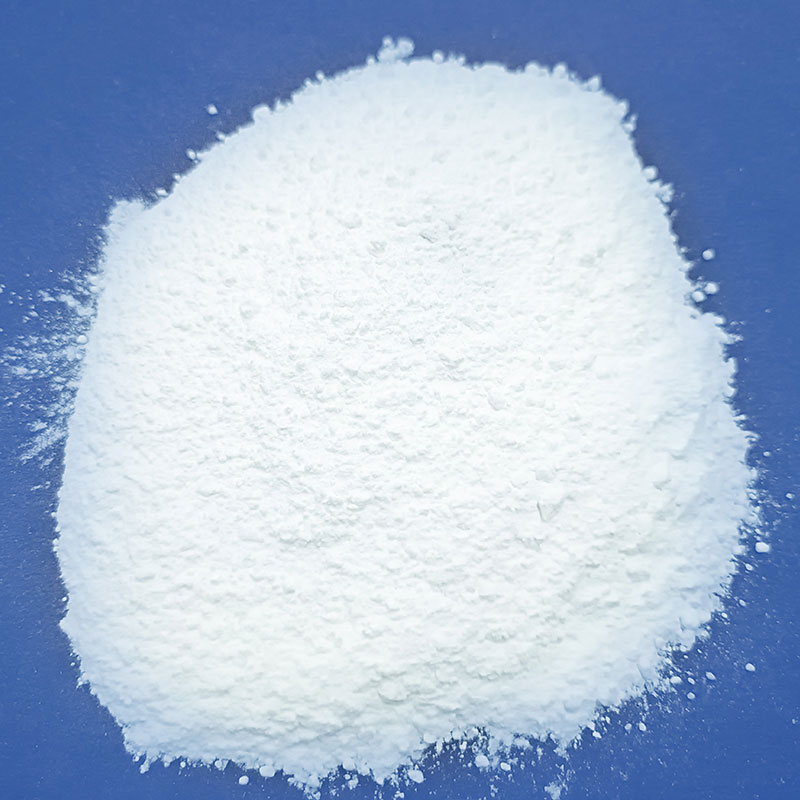
PCOTEC Core Advantages
Surface-Quality Control
Enhanced Film Uniformity
Processing Efficiency Boost
Defect-Reduction Support
Appearance Customization
Sustainability








Main Products
Leveling Agent Mode
Additives
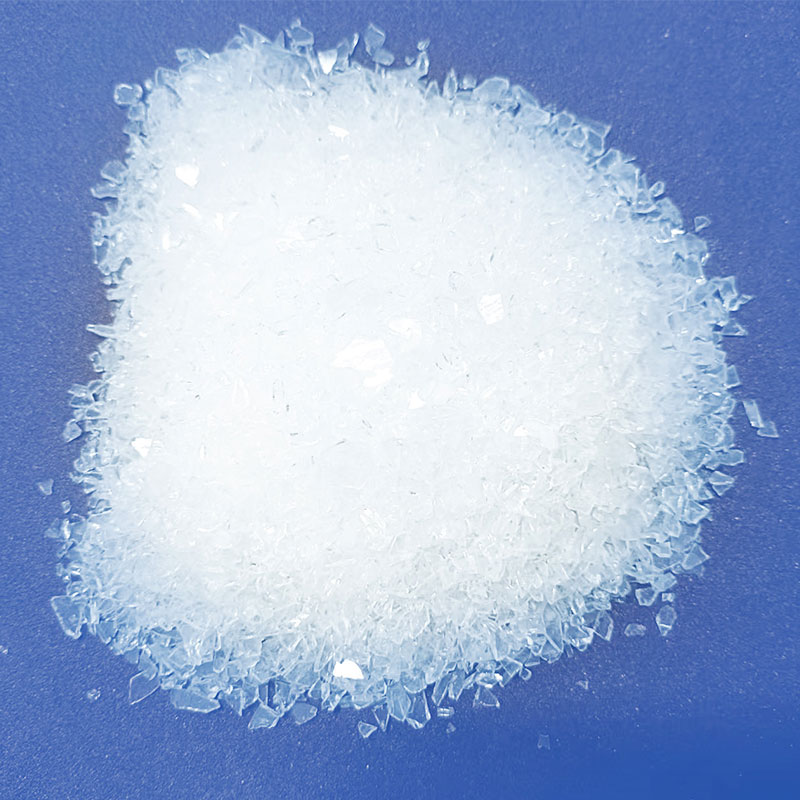
This leveling agent is based on an acrylate polymer and is designed to adjust surface tension, homogenize the coating, and significantly improve leveling during curing. It effectively reduces orange peel and eliminates shrinkage cavities while providing strong wetting performance through an integrated wetting accelerator. Produced with specialized processing technology, it disperses easily in powder formulations and does not contain silicone, ensuring clean application without affecting recoating adhesion. With a recommended dosage of 0.6–0.8% and full compatibility across all powder coating systems, this additive delivers stable appearance control and reliable defect reduction.
Powder Surface Modifier
Additives
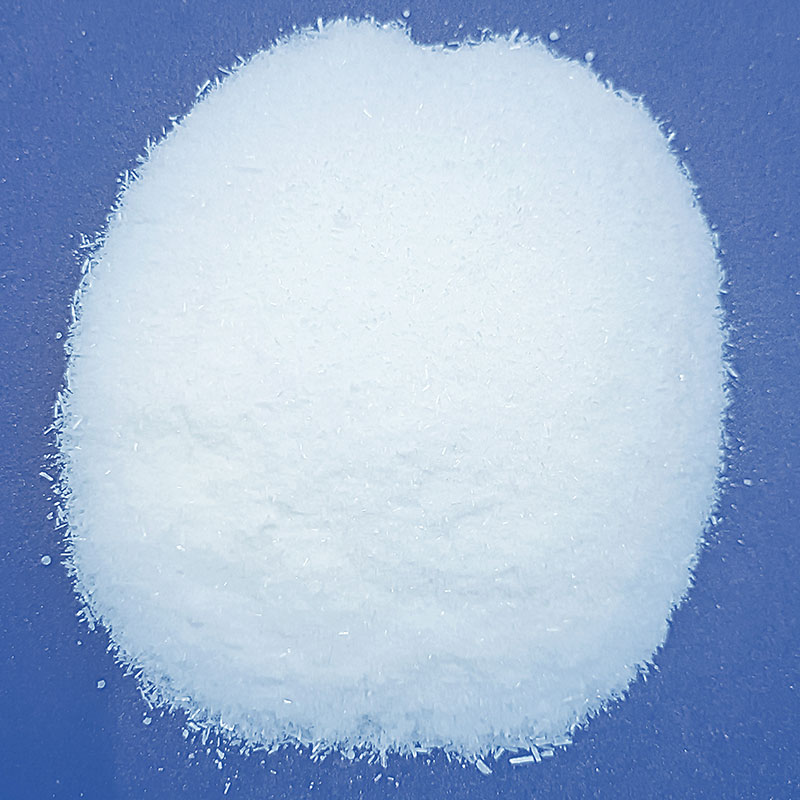
This powder surface modifier is a high-purity additive designed to improve the overall surface quality of powder coatings. It provides strong wetting performance on polar additives and coated substrates, helping the melt layer flow more uniformly during curing. As a result, it effectively eliminates shrinkage defects, enhances gloss, and improves film smoothness.
With an active content above 99% and extremely low volatility, the product disperses easily and performs reliably in extrusion and application. It also strengthens the contamination resistance of the coating film and prevents the formation of shrinkage pores, making it suitable for use across all major powder coating systems requiring stable and high-quality surface appearance.
Indoor Physical Matting Agent Model
Additives
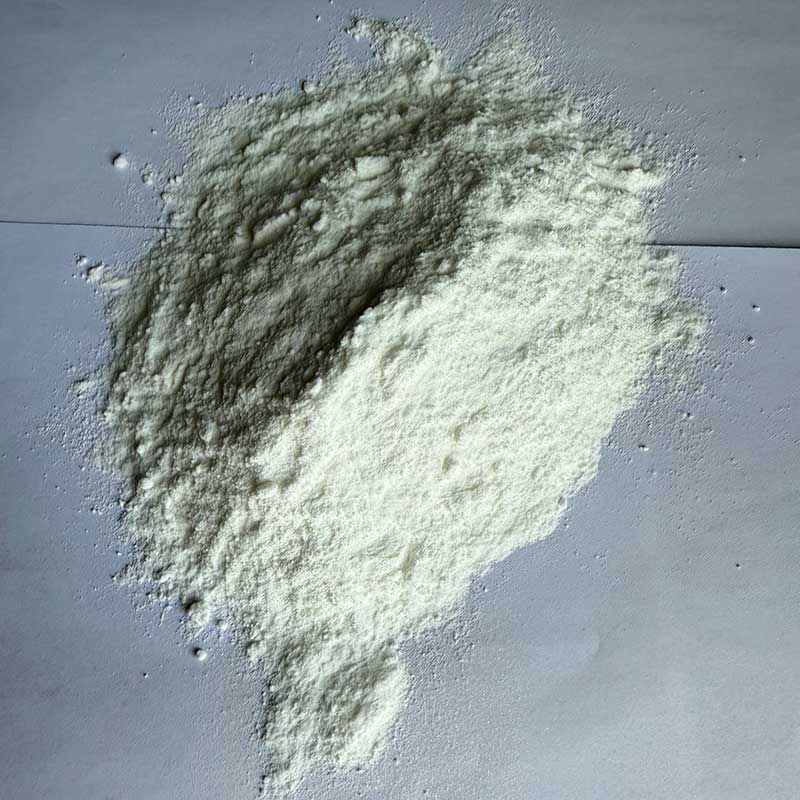
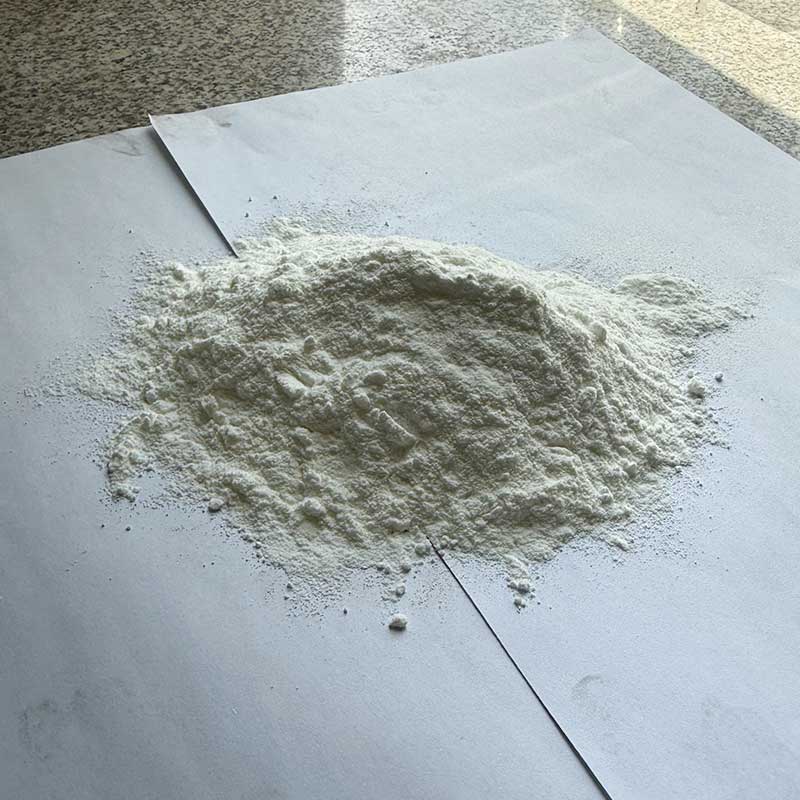
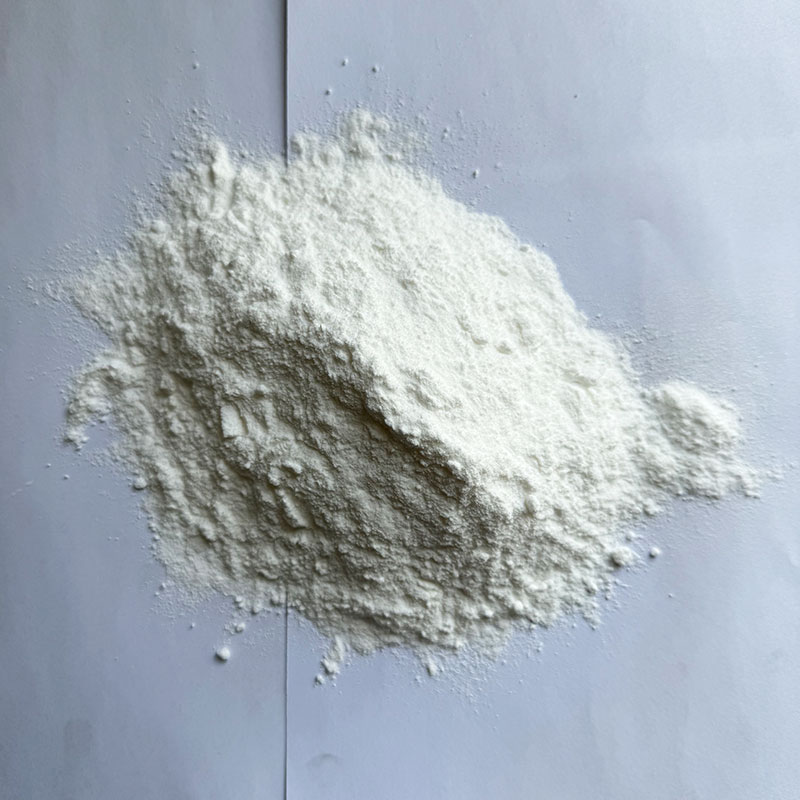
M311 is a pure physical matting agent designed to deliver stable and controllable gloss reduction without participating in chemical reactions. Unlike chemical matting systems, it does not consume epoxy groups, produces no smoke during curing, and shows excellent resistance to yellowing. M311 provides a minimum 3-degree matting effect while maintaining consistent film appearance and process stability. Its purely physical matting mechanism ensures predictable gloss control and makes it a more economical option compared with traditional chemical matting agents used in powder coatings.
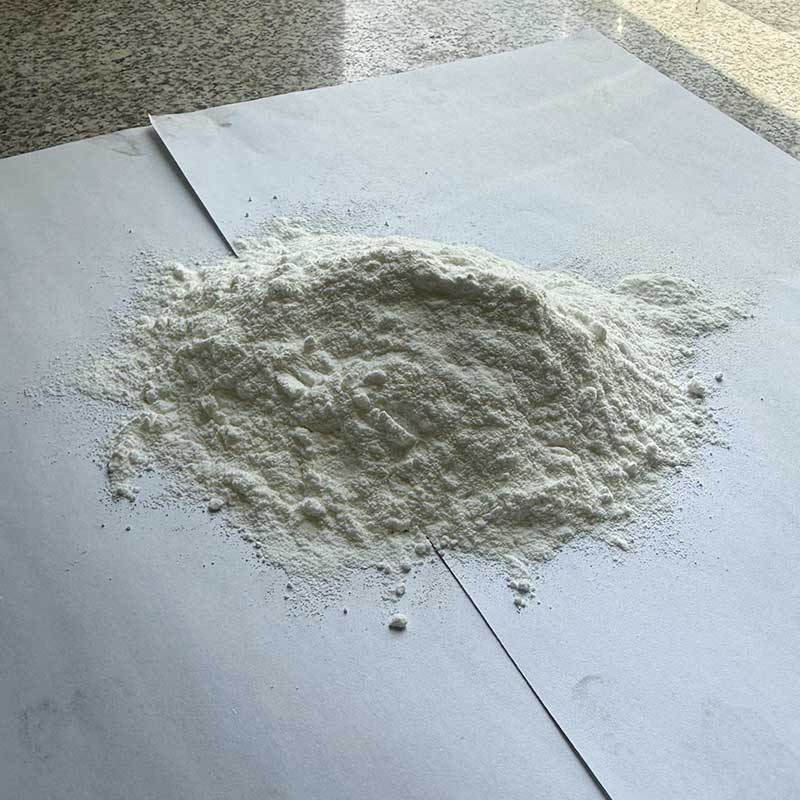


Outdoor Physical Matting Additive
Additives
M312 is a low–wax, resin-based physical matting agent designed specifically for outdoor TGIC powder-coating systems. With an addition level of 3–6%, it provides stable matte finishes in the 10–30% gloss range, making it ideal for architectural, industrial, and black-tone coatings. Thanks to its low wax content and controlled particle morphology, M312 offers excellent stability, uniform appearance, and minimal gloss or color shift even under over-baking conditions. Its formulation enables consistent outdoor performance while maintaining strong compatibility across various powder-coating applications.

Acrylic Extinction Resin
Additives
Acrylic extinction resin is an epoxy–acrylic polymer designed to chemically react with polyester resins to achieve controlled low-gloss finishes in powder-coating systems. When added in the proper ratio, it produces a stable extinction effect with uniform matte appearance and fine surface texture. This resin offers excellent leveling performance, reliable mechanical strength, and consistent curing behavior, making it suitable for outdoor polyester powder coatings requiring low gloss and durable film properties.
Usage And Dosage:
Add all materials according to the formula, after full mixing, extrude in 95~105°C(should not exceed 110°C, and can not be repeatedly extruded), and then crush and screening 180, look for use.
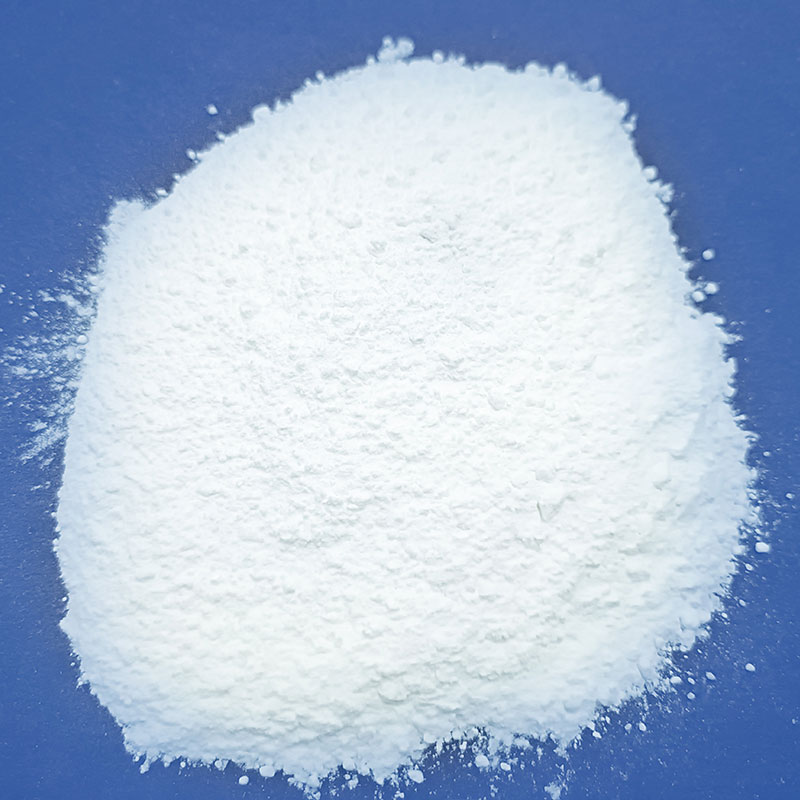
Micro Wax Power
Additives
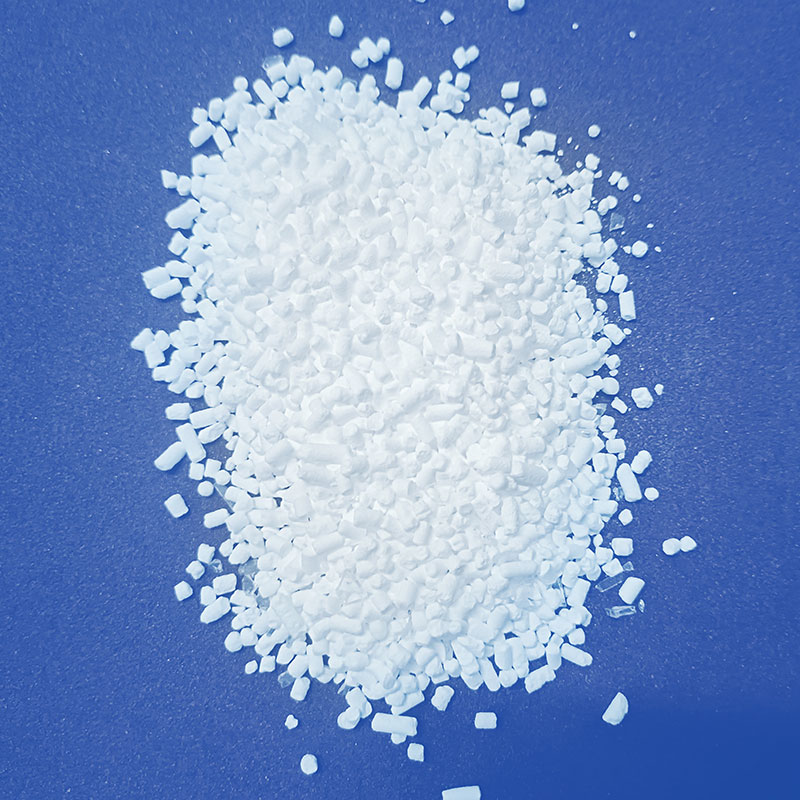
Micronized wax is a finely processed powder additive used to enhance surface smoothness, abrasion resistance, and overall film performance in powder coatings. With controlled particle size and high melting stability, it improves powder flow, scratch resistance, and dispersibility during extrusion and curing. Its balanced wetting and lubrication properties make it a cost-effective solution for achieving better surface quality across various coating formulations.
Our advantage
Proven Material Expertise
Certified Quality & Traceability
Technical Customization & Application Support
Sustainable Chemistry Commitment
Global Supply & Reliable Service

Key Applications
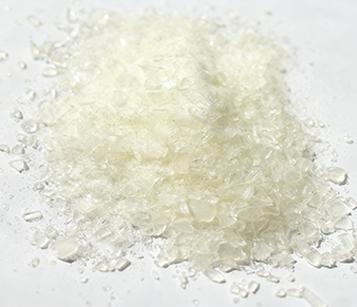
Silicone Resin is a high-performance polymer designed for powder coatings requiring exceptional thermal endurance, oxidation resistance, and long-term stability.
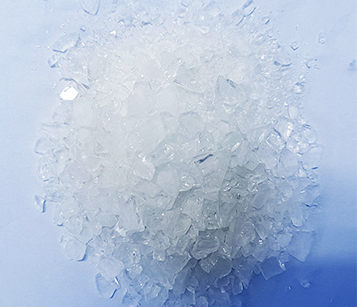
Polyester resin is the core film-forming binder used in modern thermosetting powder coatings. It provides the structural backbone of the coating film, determining essential properties such as weatherability, hardness, mechanical strength, chemical resistance, and long-term durability.
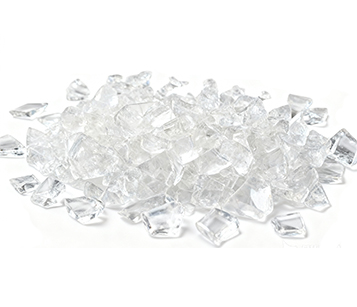
Epoxy resin is a high-performance thermosetting polymer widely used in metal coatings, protective finishes, electrical insulation, and corrosion-resistant systems.
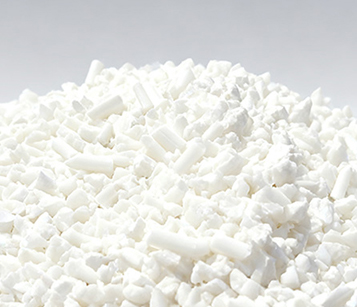
Curing agents are essential reactive components used in thermosetting powder coatings. They chemically crosslink with polyester or epoxy resins to create a solid, durable, three-dimensional coating network.
FAQ Use & Operation
Do You Provide Customized Additive Solutions?
Yes. Beyond our standard additive range, we offer extended functional additives and can tailor formulations to your specific process or performance needs. Our technical team provides in-depth consultation and professional support for customized requirements.
Can You Recommend Additive Packages for Different Powder Coating Systems?
Yes. We provide system-specific additive packages—including flow agents, matting agents, dispersants, stabilizers, and degassing agents—optimized for TGIC, HAA, hybrid, metallic, and low-temperature cure formulations.
How Do UV Stabilizers Improve Outdoor Durability?
UV absorbers and HALS additives protect polymer chains from photodegradation, slowing yellowing, chalking, and gloss loss. A tailored combination of UV stabilizers enhances long-term durability for outdoor applications.
What Causes Degassing Agents To Leave Surface Defects If Not Used Properly?
Incorrect dosage or low compatibility may lead to craters or fish-eye defects. Degassing agents must be matched with the resin and extrusion profile to allow trapped gases to escape without disrupting surface flow.
How Do Additives Affect Pigment Dispersion And Color Stability?
Dispersing aids improve pigment wetting and prevent flocculation during extrusion. Without proper additives, the coating may show poor hiding power, color shift, or speckling. Choosing the right dispersant ensures consistent color strength and smooth appearance.
Why Do Matting Agents Sometimes Cause Uneven Gloss Or Inconsistent Appearance?
Matting performance depends on resin compatibility, extrusion temperature, particle size of the matting agent, and curing kinetics. Mismatch in these factors can lead to gloss variation. We can help adjust resin–additive ratios and processing parameters to stabilize the finish.