Epoxy Resin is a high-performance thermosetting polymer widely used in metal coatings, protective finishes, electrical insulation, and corrosion-resistant systems. It is valued for its excellent adhesion to metal substrates, strong chemical resistance, high hardness, and stability under demanding industrial environments.
In powder coatings, epoxy resin is commonly combined with curing agents, fillers, and functional Additives to meet diverse requirements in industrial machinery, anti-corrosion systems, consumer electronics, and tools.
Key Advantages of Epoxy Resin
1. High Adhesion to Metal
Epoxy resin forms strong chemical bonds with steel, iron, and aluminum surfaces, ensuring reliable adhesion even under mechanical stress or thermal impact. This provides durability for industrial components and protective equipment.
2. Superior Chemical & Corrosion Resistance
Its crosslinked network structure delivers excellent resistance to chemicals, solvents, salts, and moisture—making it ideal for harsh industrial environments, marine exposures, and electrically insulated parts.
3. High Mechanical Strength
Epoxy coatings offer outstanding hardness, abrasion resistance, and impact strength. These attributes make epoxy resin suitable for tools, machinery housings, and parts requiring enhanced wear performance.
4. Excellent Electrical Insulation
Epoxy resin maintains stable dielectric properties at both low and high frequencies. It is widely used in electrical enclosures, control boxes, power distribution parts, and other applications that require insulation reliability.
5. Smooth Surface & Gloss Control
With proper formulation using modifiers and fillers, epoxy powder coatings achieve fine appearance quality—ranging from high gloss to soft matte—while maintaining film integrity.
How to Use Epoxy Resin
1. Pre-Mixing and Formula Design
Epoxy resin is weighed according to the formula and pre-mixed with curing agents (such as dicyandiamide or phenolic hardeners), fillers, wax powders, leveling agents, matting agents, and other functional additives. Proper mixing ensures uniform distribution of reactive components.
2. Extrusion and Compounding
The mixture is fed into a twin-screw extruder at controlled temperature (typically 95–110°C). The epoxy resin melts and disperses pigments, fillers, and additives while avoiding excessive curing. The melt is cooled and chipped for further processing.
3. Grinding and Sieving
The solidified material is pulverized into fine powder, then sieved to achieve the required particle distribution. Proper particle size ensures smooth application, adequate charging, and uniform film thickness.
4. Electrostatic Spraying
The powder is applied onto metal substrates by electrostatic spray, ensuring uniform deposition. This stage requires proper grounding and controlled humidity for optimal electrostatic efficiency.
5. Curing
The coated substrate is cured at the temperature defined by the formulation (commonly 160–200°C for epoxy systems). Crosslinking forms a hard, chemically resistant, continuous protective film.
Main Application
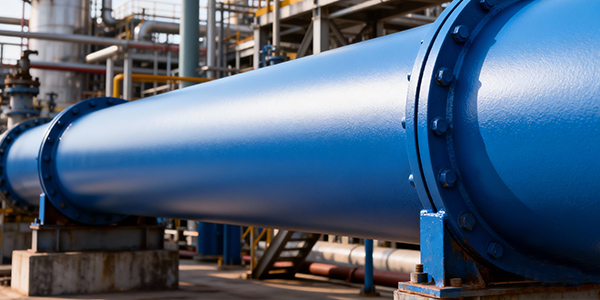
1. Anti-Corrosion Powder Coatings
Epoxy resins are widely recognized for their unparalleled corrosion protection.
They form dense, impermeable films that block moisture, salts, and chemicals—making them ideal for:
Steel pipelines
Offshore structures and marine components
Chemical storage tanks
Industrial equipment frames
Underground structural parts
Epoxy coatings are often used as a primer layer in multi-coat systems, providing a strong corrosion-resistant foundation before applying polyurethane, polyester, or fluorocarbon topcoats.
When combined with fillers such as barium sulfate, silica micro powder, and glass flake, epoxy resins achieve enhanced barrier properties and longer protection cycles.
2. Industrial Machinery & Equipment Coatings
Epoxy resin provides mechanical strength, abrasion resistance, and impact durability for machinery housings, motors, compressors, and workshop equipment.
Applications include:
Machine bases and frames
Tool housings and fixtures
Pumps, valves, and industrial assemblies
The coating protects against grease, cutting fluids, mechanical wear, and particulate abrasion—extending service life in manufacturing environments.
3. Electrical & Electronic Component Coatings
Epoxy resin’s excellent dielectric properties make it ideal for electrical insulation:
Its stable thermal and electrical behavior ensures long-term safety and reduced maintenance in power and automation systems.
4. Tools, Hardware & Handheld Equipment
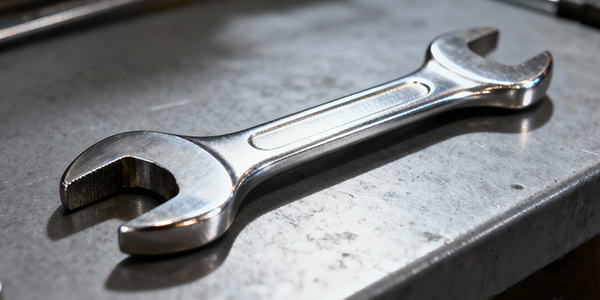
Epoxy resin provides the structural foundation for producing powder coatings with exceptional hardness, scratch resistance, and mechanical durability. When incorporated into coating formulations for tools and hardware, epoxy resin enhances chip resistance, impact resistance, and overall protective performance. Applications include:
Wrenches
Hammers
Cutting tools
Fastening devices
Consumer hardware items
With strong adhesion to metal substrates and stable curing behavior, epoxy resin ensures that these components maintain long-term surface integrity even under harsh working environments.
5. Consumer Electronics Metal Components
Epoxy resin contributes to smooth appearance, uniform color stability, and excellent chemical resistance in powder coatings used for consumer electronics. Suitable for:
Computer casings
Router and modem housings
Appliance internal metal components
LED lighting metal accessories
Its resistance to household chemicals, cleaning agents, and daily wear helps manufacturers maintain consistent visual quality and functional performance, making epoxy resin a preferred choice for electronics requiring both aesthetics and durability.
Application Recommendations & Key Notes
1. Recommended Cure Schedule
Ensure curing follows the specified temperature/time curve to achieve full crosslinking and optimal corrosion performance.
2. Substrate Preparation Is Critical
Metal surfaces must be cleaned, degreased, and pretreated (phosphate or sandblasting) to ensure adhesion and long-term anti-corrosion capability.
3. Control of Powder Particle Size
Improper grinding may affect charging efficiency, gloss, leveling, and film smoothness. Powder should be sieved to maintain consistency.
4. Avoid UV Exposure for Outdoor Use
Epoxy resin is not UV-stable and may chalk outdoors. For exterior applications, epoxy is typically used as a primer with a polyester or polyurethane topcoat.
5. Compatible Additives Improve Performance
Leveling agents, matting agents, waxes, and fillers enhance film integrity, mechanical strength, and barrier properties. Selection should match the required end-use environment.
6. Storage and Handling
Powder should be stored in cool, dry conditions below 30°C; avoid high humidity to prevent clumping and contamination.