Polyester Resin is the essential film-forming binder used in modern thermosetting powder coatings. It determines the coating’s durability, gloss stability, hardness, flexibility, and resistance to weathering and chemicals. With excellent material compatibility, it is widely used in architectural aluminum extrusions, outdoor metal components, home appliance finishes, industrial equipment coatings, and anti-corrosion systems.
Because of its balanced reactivity, strong bonding to metal substrates, and stability under UV and environmental exposure, polyester resin has become the most common and versatile resin system in powder-coating manufacturing.
Key Advantages of Polyester Resin
1. Superior Weatherability
Polyester resin—especially outdoor and super-durable grades—provides outstanding UV resistance, long-term color retention, and minimal gloss loss, making it ideal for exterior architectural applications and metal components exposed to sunlight and moisture.
2. Strong Mechanical Performance
The cured polyester coating forms a robust cross-linked network, offering high impact resistance, excellent flexibility, and strong adhesion. This ensures long coating life, surface protection, and resistance to cracking or chipping during use and handling.
3. Excellent Film Appearance
Polyester resin delivers smooth leveling, consistent gloss, and a uniform surface finish across large-scale production. It supports high-gloss, matte, textured, metallic, and special-effect coatings with reliable film stability.
4. Broad Formulation Versatility
By adjusting acid value, molecular weight, Tg, and viscosity, polyester resin can be tailored for:
Standard outdoor coatings
Super-durable façade coatings
Low-temperature curing
Hybrid epoxy–polyester systems
Matte or fine-texture finishes
5. Chemical & Stain Resistance
Cured polyester coatings resist detergents, solvents, humidity, and mild chemicals—making them suitable for home appliances, office furniture, and general industrial metal components.
How to Use Polyester Resin
1. Premixing & Extrusion
The resin is blended with curing agents, fillers, flow modifiers, and other powder-coating additives, then melt-extruded under controlled temperature. Proper mixing ensures stability, consistent gloss, and optimized film performance.
2. Cooling, Grinding & Sieving
The extruded flakes are cooled, crushed, and sieved into controlled particle sizes. Consistent PSD improves electrostatic spray efficiency and final film smoothness.
3. Curing & Film Formation
Typical curing conditions:
Accurate curing ensures full crosslinking, proper hardness, good flexibility, and weathering stability.
Main Application
Technical Specifications for Architectural-Grade Polyester Resin
| Model | Acid Value (mgKOH/g) | Viscosity (mPa·s @ 200°C) | Tg (°C) | Curing Condition (°C/min) | Performance Characteristics |
|---|
| PCT5050 | 68–75 | 2500–3500 | 58 | 180 / 15 | Excellent leveling, mechanical strength & flexibility |
| PCT6040 | 48–55 | 3500–4500 | 56 | 180 / 15 | Universal resin with balanced properties |
| PCT7031 | 28–34 | 3000–4000 | 55 | 180 / 15 | Good flow and mechanical performance |
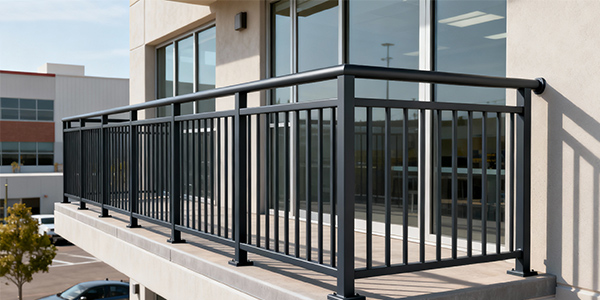
A. Architectural Powder Coatings
Polyester resin is the backbone of architectural powder coatings. It delivers long-term UV resistance, mechanical durability, and stable gloss retention—critical for building exteriors exposed to harsh environments. It is commonly used in:
Aluminum window frames
Curtain walls and façade panels
Outdoor railings and metal profiles
Structural building components
Architectural metal roofing systems
Its compatibility with curing agents, fillers, flow modifiers, and stabilizers enables consistent high-quality performance for exterior-grade coating formulas.
B. Home Appliance Coatings
Polyester resin is widely used in appliance shells due to its superior surface leveling, stain resistance, and decorative appearance. Appliances such as refrigerators, air conditioners, washing machines, microwaves, and kitchen devices require durable coatings that resist scratching, cleaning chemicals, and long-term heating cycles.
Polyester resin ensures glossy or matte finishes with stable color consistency, strong adhesion, and long-term resistance to household use.
C. General Industrial Metal Coatings
For industrial metal parts, polyester resin provides a balance of durability, mechanical performance, and cost-efficiency. It resists abrasion, humidity, and chemical exposure, making it suitable for:
Metal racks and shelving
Office furniture components
Machinery housings and frames
Agricultural equipment
Tool cabinets and fixtures
Polyester-based coatings ensure uniform coverage and protection in large-scale production environments.
D. Protective & Anti-Corrosion Coatings
Polyester resin—used alone or in hybrid systems—forms dense, durable films with strong adhesion, effective anti-corrosion properties, and resistance to environmental degradation.
Suitable applications include:
Outdoor steel structures
Electrical control boxes
Pipelines and metal conduits
Automotive underbody components
Equipment operating in humid or chemical-rich environments
Hybrid EP/PE systems can be formulated for enhanced salt spray resistance and improved coating longevity.
Application Advice & Key Precautions
1. Resin–Curing Agent Balance
Select proper curing systems (TGIC, HAA, hybrid) according to weatherability, gloss level, curing oven capability, and mechanical property requirements.
2. Filler Ratio Optimization
Excess filler can reduce mechanical properties, increase brittleness, or cause gloss reduction. Maintain proper loading levels for architectural and industrial formulas.
3. Metal Pretreatment Quality
Good pretreatment (chromate-free, phosphating, or zirconium treatment) significantly enhances adhesion and long-term anti-corrosion performance.
4. Extrusion & Dispersion Control
Poor dispersion leads to orange peel, pinholes, or uneven gloss. Maintain stable extrusion temperature and screw configuration to ensure film uniformity.
5. Curing Process Accuracy
Under-curing reduces hardness, impact resistance, and chemical durability. Over-curing may cause discoloration or gloss drop. Regular oven calibration is essential.
6. Environmental & Storage Conditions
Store resin in a cool, dry environment. Avoid exposure to moisture or high temperature, which may affect reactivity and coating stability.