



Your Reliable Curing Agents Manufacturers
We provide a range of curing agents—including TGIC, HAA, and epoxy types—specifically formulated to ensure stable crosslinking in powder-coating systems. They are critical for achieving the required performance in high-durability architectural coatings, appliance finishes, general industrial uses, and protective films.
Request A Quote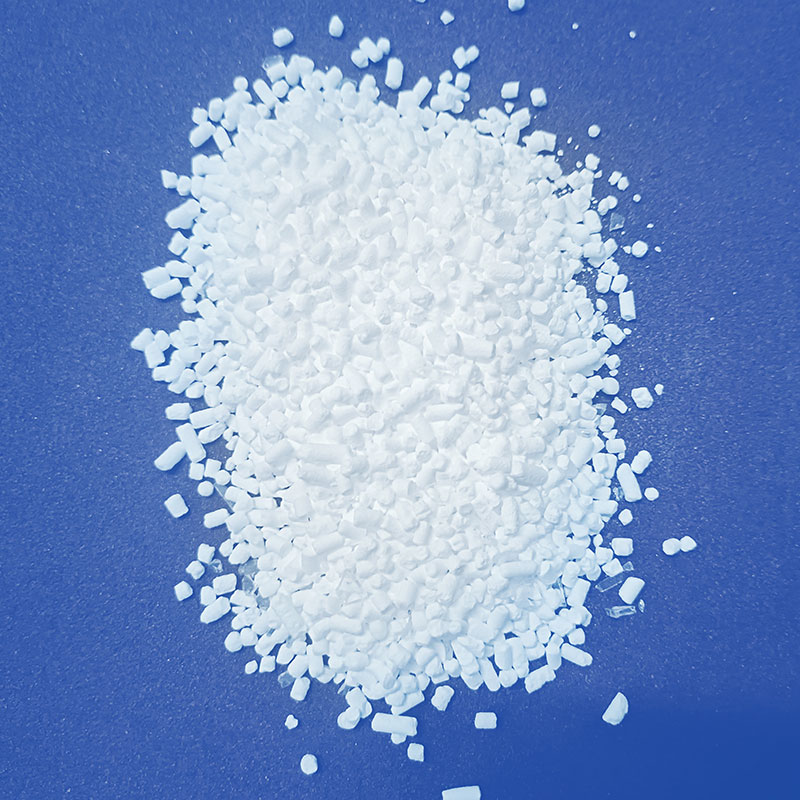
PCOTEC Core Advantages
Stable Crosslinking
Wide Cure Window
Enhanced Durability
Consistent Film Quality
System Flexibility
Sustainability









Main Products
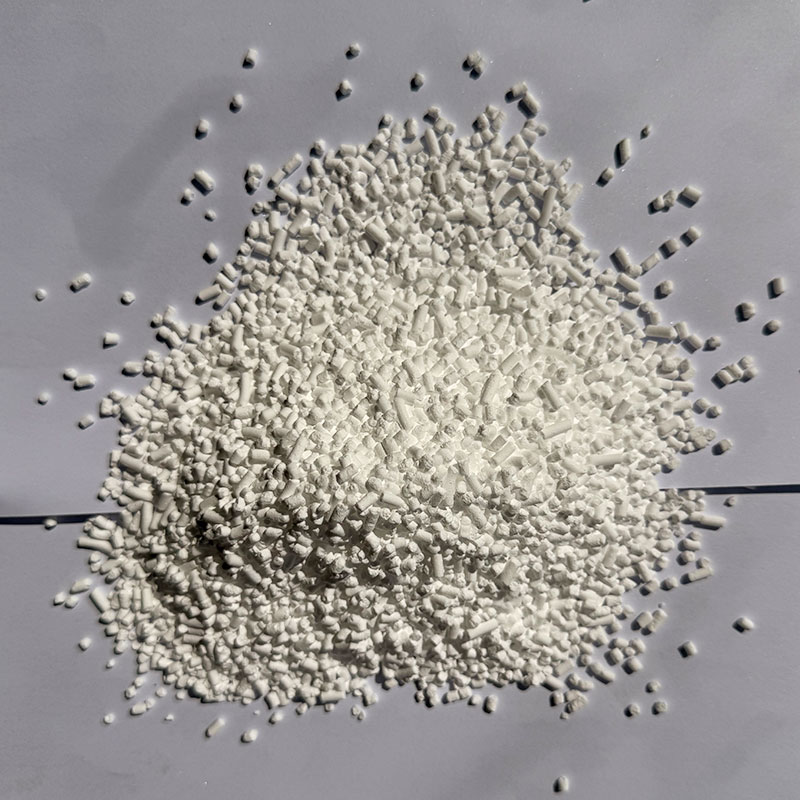
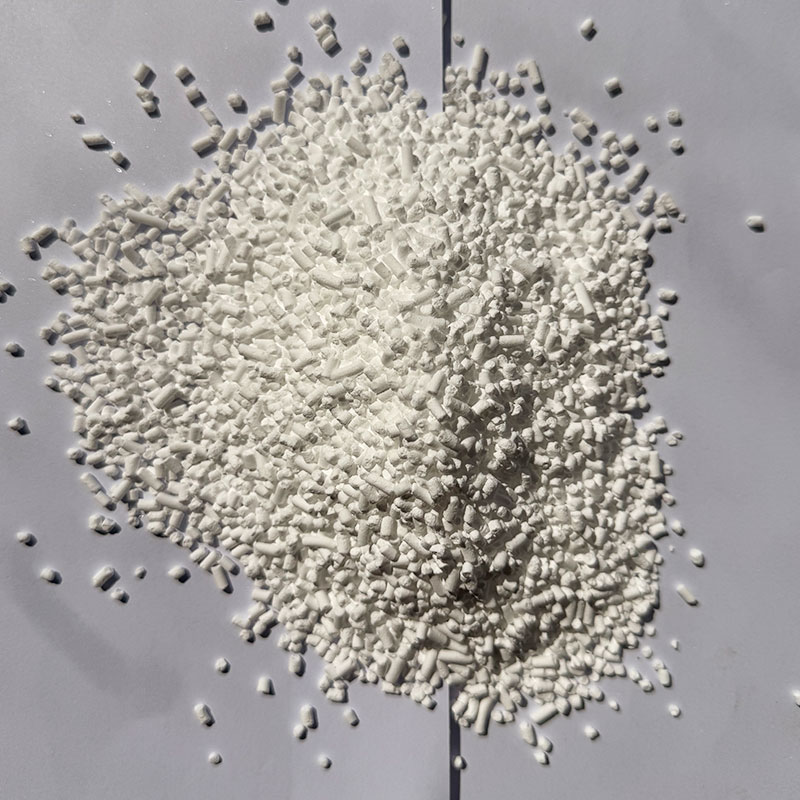
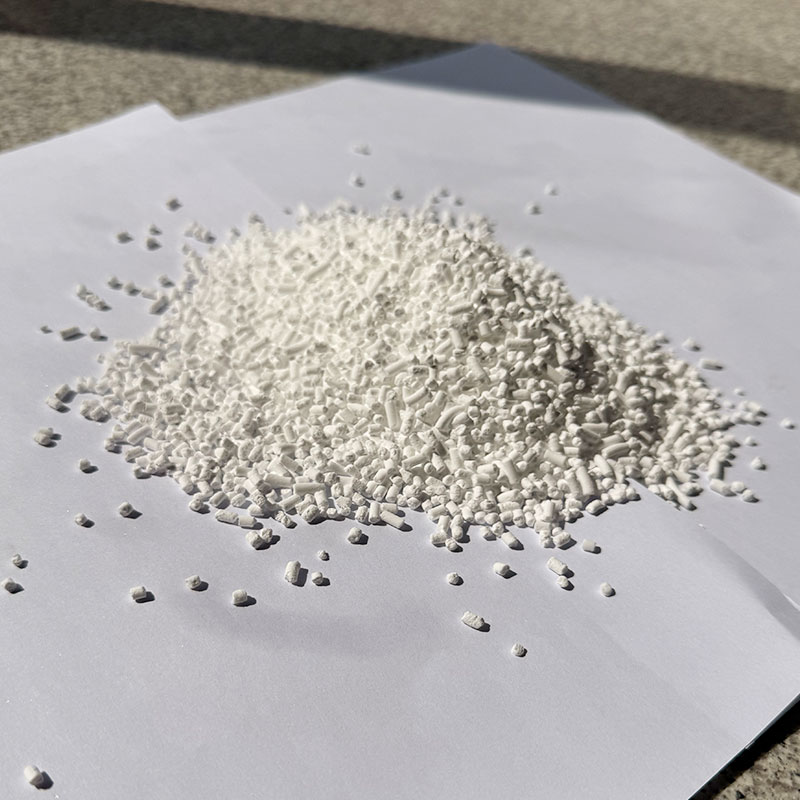
TGIC
Curing Agents
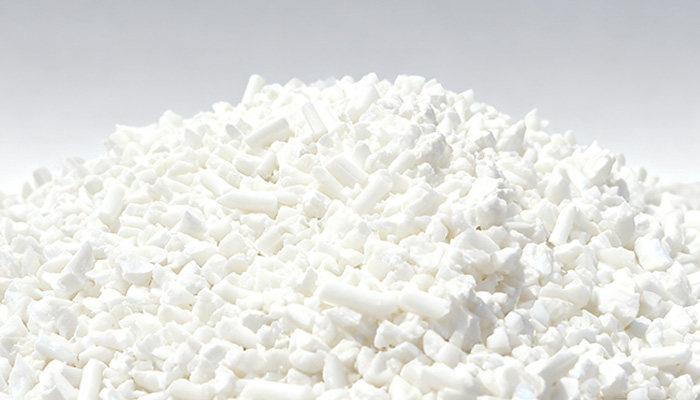
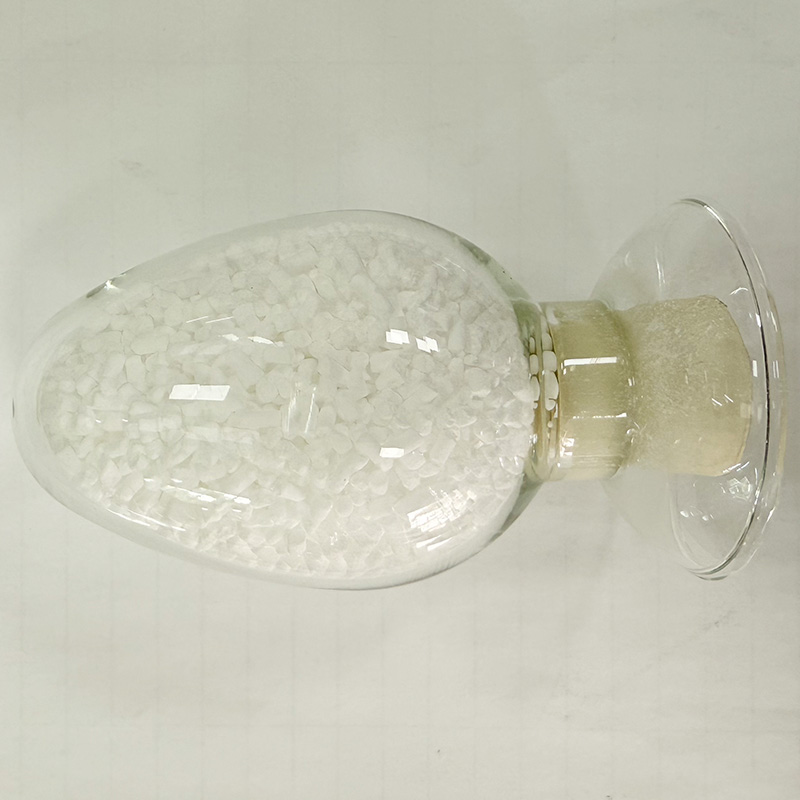
TGIC (Triglycidyl Isocyanurate) is a heterocyclic epoxy compound with a molecular weight of 297 (CAS No.: 2451-62-9). It exhibits excellent heat resistance, weather resistance, adhesion, and high-temperature performance.
●Crosslinking agent for pure polyester powder coatings. Dosage is calculated based on the acid value of the polyester resin.
●Crosslinking agent for carboxyl-containing polyacrylate (PA). Typical dosage: 7% of resin weight (adjusted by acid value)
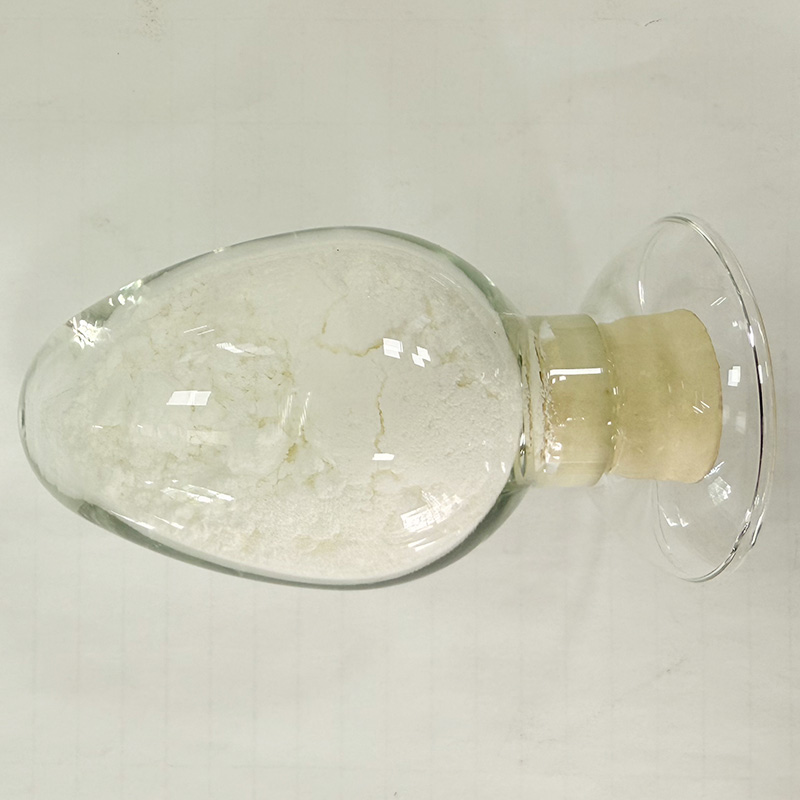
HAA
Curing Agents
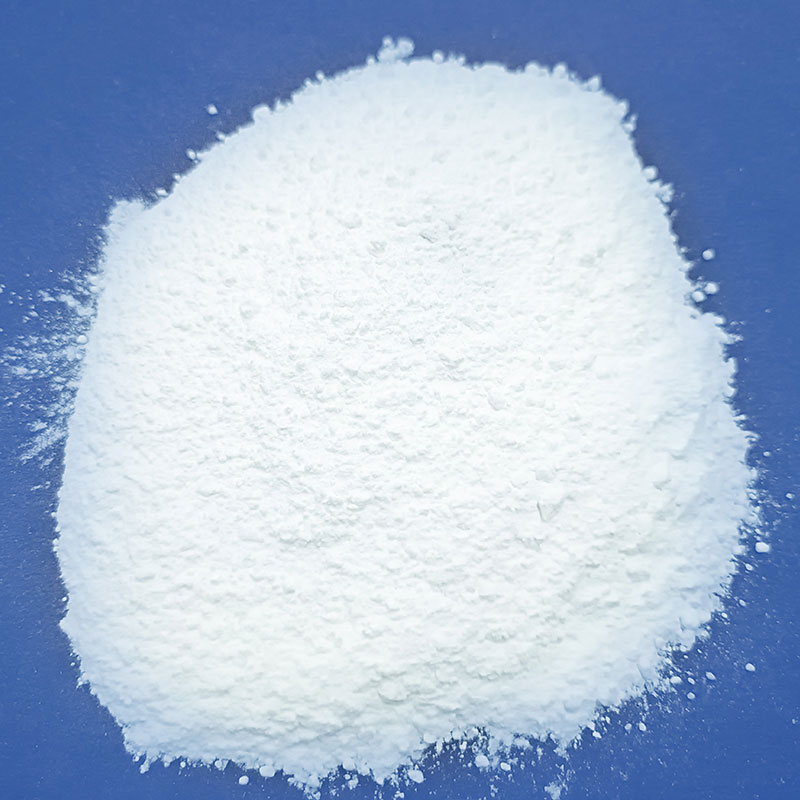
HAA are tetra-functional β-hydroxyalkylamide (HAA) compounds with excellent mechanical and weather resistance properties. They crosslink with carboxylated polyester or acrylic resins to produce non-toxic, skin-friendly, and environmentally friendly outdoor weather-resistant powder coatings, offering a safer alternative to TGIC.
Our advantage
Proven Material Expertise
Certified Quality & Traceability
Technical Customization & Application Support
Sustainable Chemistry Commitment
Global Supply & Reliable Service

Key Applications
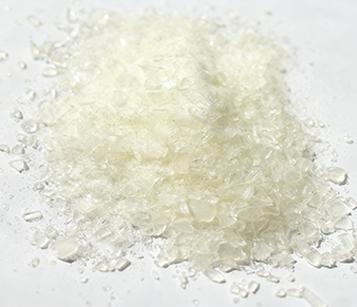
Silicone Resin is a high-performance polymer designed for powder coatings requiring exceptional thermal endurance, oxidation resistance, and long-term stability.
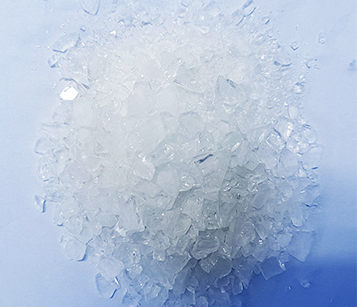
Polyester resin is the core film-forming binder used in modern thermosetting powder coatings. It provides the structural backbone of the coating film, determining essential properties such as weatherability, hardness, mechanical strength, chemical resistance, and long-term durability.
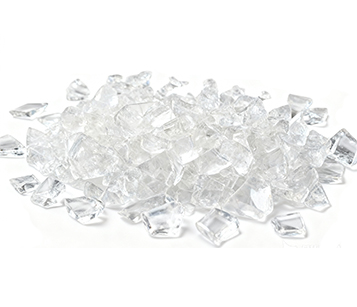
Epoxy resin is a high-performance thermosetting polymer widely used in metal coatings, protective finishes, electrical insulation, and corrosion-resistant systems.
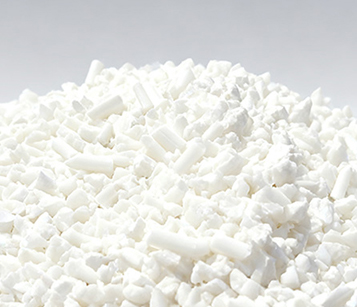
Curing agents are essential reactive components used in thermosetting powder coatings. They chemically crosslink with polyester or epoxy resins to create a solid, durable, three-dimensional coating network.
FAQ Use & Operation
How Do Curing Agents Influence The Flow, Leveling, And Final Appearance Of Powder Coatings?
Curing agents determine the crosslinking speed and melt viscosity during the curing stage. If the reactivity is too fast, the coating may gel prematurely, causing orange peel or poor leveling. If too slow, the film may sag or show surface defects. We provide curing agents with balanced reaction kinetics to match your resin system and achieve smooth, uniform appearance.
Can You Help Tailor The Curing Ratio for My Production Line?
Absolutely. We provide recommended stoichiometric ratios, reaction-kinetics support, and resin–curing-agent matching to ensure stable processing at your target line speed and oven temperature.
How Do Curing Agents Affect Yellowing Resistance And Long-Term Durability?
Curing-agent structure directly influences thermal stability and UV performance. We design and select curing agents with optimized crosslink architecture to minimize yellowing and improve outdoor durability.
Are Your Curing Agents Suitable for Both Standard And Low-Temperature Curing Systems?
Yes. We offer curing agents with different activation energies, allowing formulations to cure at conventional 180–200°C or energy-saving 140–160°C depending on application needs.
What Should I Do If My Powder Coating Has Incomplete Cure Or under-Baking Issues?
Our team can evaluate curing-agent reactivity, resin compatibility, cure-window design, and oven parameters to optimize the formulation and ensure full crosslinking.
How Do You Ensure Consistent Reactivity Of Your Curing Agents?
We control purity, particle size, and reaction-endpoint parameters during synthesis, and test each batch for reactivity index to ensure predictable curing behavior in TGIC and HAA systems.