




What Is HAA Curing Agents Used For?
HAA Curing Agents are crosslinkers used mainly in outdoor, weather-resistant powder coating systems. They help a powder coating melt, level, and then build a durable three-dimensional network during baking, so the final film can deliver the balance buyers care about: mechanical strength, appearance quality, and long-term exterior durability.
In powder coatings, HAA commonly reacts with carboxyl-functional polyester or carboxyl-functional acrylic Resins to form a stable cured film. It is also widely positioned as a safer alternative to TGIC in outdoor powder coating systems where a greener profile is preferred.
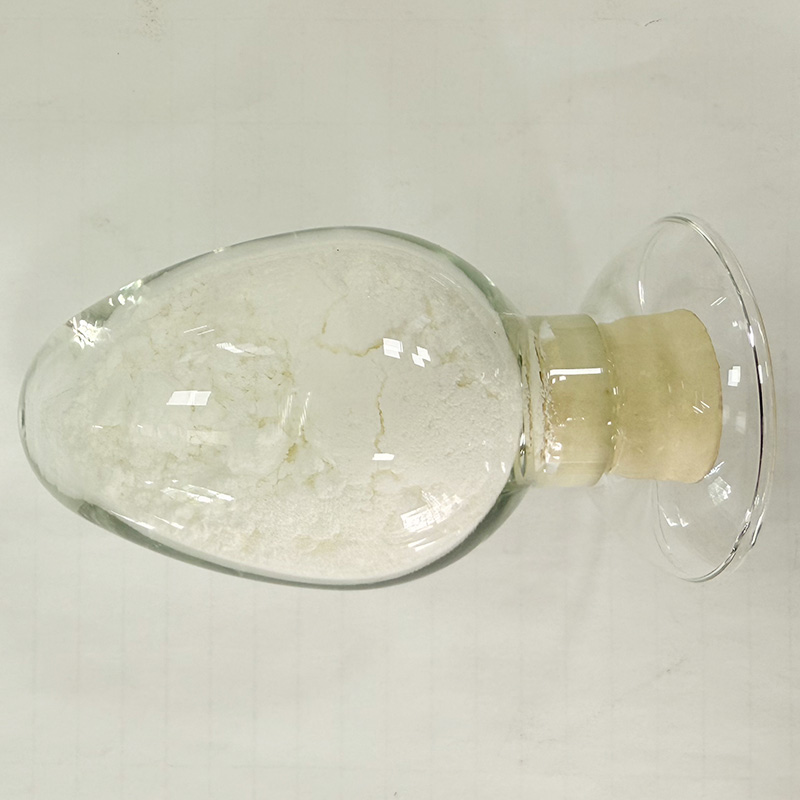
Table of Contents
- What HAA curing agents do in a powder coating formulation
- Typical end uses for HAA-cured powder coatings
- HAA vs TGIC in powder coating selection
- Key product specs for PCOTEC HAA curing agents
- How to choose an HAA curing agent grade
- Why PCOTEC supports reliable curing-agent supply
- Manufacturing and QC expectations for curing agents
- FAQ about HAA curing agents
- Conclusion
What HAA curing agents do in a powder coating formulation
A powder coating becomes a protective film after a controlled heating cycle. HAA curing agents support that transformation in ways that directly affect production stability and final performance.
Crosslinking and film integrity
During cure, HAA reacts with carboxyl groups in compatible resin systems, converting the molten layer into a robust polymer network. That network improves resistance to cracking, chipping, and early film failure, especially when parts see repeated thermal cycling and mechanical contact.Appearance control through predictable melt flow
Outdoor powder coatings often compete on visual consistency. A curing system that enables uniform flow and stable cure helps reduce risks such as uneven texture, pinholes from volatile behavior, and visible variations around edges and corners.Exterior durability expectations
HAA systems are commonly selected for exterior-grade powder coatings that must maintain film integrity under sunlight and weather exposure. This is why HAA-cured polyester systems are often associated with strong overall performance and superior weather resistance.
Typical end uses for HAA-cured powder coatings
HAA curing agents are used when a powder coating must deliver reliable exterior performance while maintaining a clean, durable finish across the service life of the coated part.
Architectural and building components
Exterior metal profiles, trims, frames, and other building parts benefit from a cured network that withstands long-term weather exposure while keeping the coating stable and consistent in appearance.Outdoor metal products
For items exposed to rain, humidity, and daily temperature swings, HAA-cured systems are often selected to reduce coating failure risks that can lead to returns or costly refinishing.General industrial parts used outdoors
Outdoor industrial components typically face abrasion from handling plus ongoing exposure stress. A well-cured powder film helps protect the substrate and reduce maintenance frequency.High-gloss exterior finishes
When finish quality matters, manufacturers usually want stable melt and cure behavior to achieve consistent gloss and a uniform film, particularly on larger panels and visible surfaces.
HAA vs TGIC in powder coating selection
HAA is frequently evaluated against TGIC because both are established curing routes for outdoor polyester powder coatings. The choice is usually driven by regulatory expectations, product positioning, and process preference.
Safer positioning for outdoor powder coatings
HAA systems are described as enabling non-toxic, skin-friendly, and environmentally friendly outdoor weather-resistant powder coatings, and are widely positioned as a safer option compared with TGIC in relevant applications.TGIC remains a mature curing route
TGIC has long been used as a crosslinker for pure polyester powder coatings and can also be used with carboxyl-containing polyacrylates under typical dosage guidance. For some factories, existing line experience and established qualification paths keep TGIC in the evaluation set.Practical takeaway for buyers
Many customers start from end-use requirements and compliance expectations, then confirm which curing route matches their finish targets and production window. A supplier that supports clear data, stable lots, and technical response helps shorten the decision cycle.
Key product specs for PCOTEC HAA curing agents
Choosing a curing agent is not only about selecting HAA as a chemistry. Buyers also need a grade that fits extrusion behavior, melt profile, and cure stability. PCOTEC provides HAA curing agents with defined physical properties to support formulation design and process planning.
| Model | Appearance | Hydroxyl Equivalent (g/mol) | Melting Range (°C) | Volatile Content (%) |
|---|---|---|---|---|
| TK-H220 | White powder | 82±2 | 120–130 | 1.0 |
| TK-H320 | White powder | 82±2 | 125–132 | 1.0 |
These parameters help technical teams align raw material behavior with plant conditions, including extrusion temperature control, storage stability expectations, and bake schedule consistency across different seasons and production lines.
How to choose an HAA curing agent grade
Selection usually becomes straightforward when you evaluate a few high-impact fit factors that influence both production stability and end performance.
Resin compatibility and performance target
HAA is commonly used with carboxyl-functional polyester or acrylic systems. Start by confirming resin functionality and the performance targets required for outdoor exposure, because cure chemistry defines whether you can reach mechanical and weather resistance goals without overbaking or narrowing your process window.Cure window and line capability
Melting range influences how a curing agent behaves during melt and early cure. A stable window helps reduce sensitivity to minor temperature deviations, which is valuable for high-throughput production lines and for large parts where heat distribution is never perfectly uniform.Appearance risk management
If the product category is sensitive to gloss or surface uniformity, differences in melt and cure behavior can translate into visible variation. Matching the curing agent grade to your target finish helps reduce rework and inspection pressure.Qualification and documentation needs
Some customers need clear batch documentation and consistent QC release logic for incoming inspection. Aligning expectations early avoids delays during qualification and first shipments.
Why PCOTEC supports reliable curing-agent supply
For powder coatings, customers typically evaluate suppliers on consistency, response speed, and whether technical support is real and practical. PCOTEC positions itself as a solutions-oriented supplier for powder coating raw materials, including curing agents, supported by production capability and process management.
Technical support that helps reduce trial cycles
The company highlights industry experience and an engineering team for consultation. This matters when customers need guidance on resin matching, melt behavior, cure stability, and how to maintain consistent appearance in scaled production.Supply capability designed for continuity
Multi-base production and digitalized management are emphasized to strengthen supply reliability, helping customers reduce the risk of line interruptions caused by raw material uncertainty.Process control and traceability mindset
Production management concepts such as centralized control for critical steps, interlocked automation logic in key operations, and digital traceability practices support consistent batch output and faster verification when customers request production or QC evidence.
Manufacturing and QC expectations for curing agents
Curing agents influence cure behavior, appearance stability, and long-term performance. Because of that, buyers typically focus on consistency, batch traceability, and documentation.
Process repeatability and stable output
Controlled production steps and standardized operating practices reduce parameter drift that can affect melting behavior and cure response from lot to lot.Traceability for faster problem isolation
When a customer investigates a coating deviation, traceability allows the supplier to connect lot records, production steps, and QC outcomes, supporting a faster root-cause path and more confident corrective action.Documented QC release approach
Clear QC release rules and reporting practices support customer qualification workflows and routine incoming inspection requirements.
FAQ about HAA curing agents
Is HAA mainly used for indoor or outdoor powder coatings?
HAA is widely positioned for outdoor weather-resistant powder coatings, particularly in polyester systems designed to maintain durability under exterior exposure.
Which resin systems typically use HAA curing agents?
HAA is commonly used to crosslink with carboxyl-functional polyester or carboxyl-functional acrylic resins in powder coating formulations.
Why do many buyers compare HAA with TGIC?
Both are established curing routes for outdoor polyester powder coatings. Many customers compare them based on compliance expectations, product positioning, and how each curing route fits the factory’s process window and finish targets.
How do TK-H220 and TK-H320 differ in practical selection?
Both options share the same hydroxyl equivalent value, while their melting ranges differ. Buyers typically match the melting range to their extrusion behavior goals and their preferred process tolerance window in production.
What packaging and storage practices are typical for HAA curing agents?
HAA curing agents are commonly packaged in plastic-lined woven bags, stored in a cool and dry indoor environment, and kept away from direct sunlight and moisture. Usual shelf-life guidance indicates about one year under normal temperature storage, with use after the stated period typically depending on re-inspection results.
Conclusion
HAA curing agents are used primarily in outdoor powder coating systems to crosslink with carboxyl-functional polyester or acrylic resins, creating a durable cured network that supports mechanical strength, stable appearance, and exterior weather resistance. They are also widely positioned as a safer alternative to TGIC in relevant outdoor powder coating applications. With defined HAA product options such as TK-H220 and TK-H320, along with a manufacturing and quality-management mindset focused on consistency and traceability, PCOTEC supports customers who need dependable curing agents for stable powder coating production.