




What Is An Indoor Physical Matting Agent?
An indoor physical matting agent is a functional powder coating additive used to reduce surface gloss and create a controlled matte finish in indoor coating systems. Unlike chemical matting approaches that rely on Resin consumption or reaction interference, a physical matting agent achieves gloss reduction through its physical structure and dispersion behavior within the coating film.
In indoor powder coatings, appearance uniformity, color stability, and processing cleanliness are critical. An indoor physical matting agent is designed to lower gloss without causing yellowing, smoke generation, or unwanted chemical side effects during curing. It allows formulators to achieve predictable matte levels while maintaining coating integrity and stable production conditions.
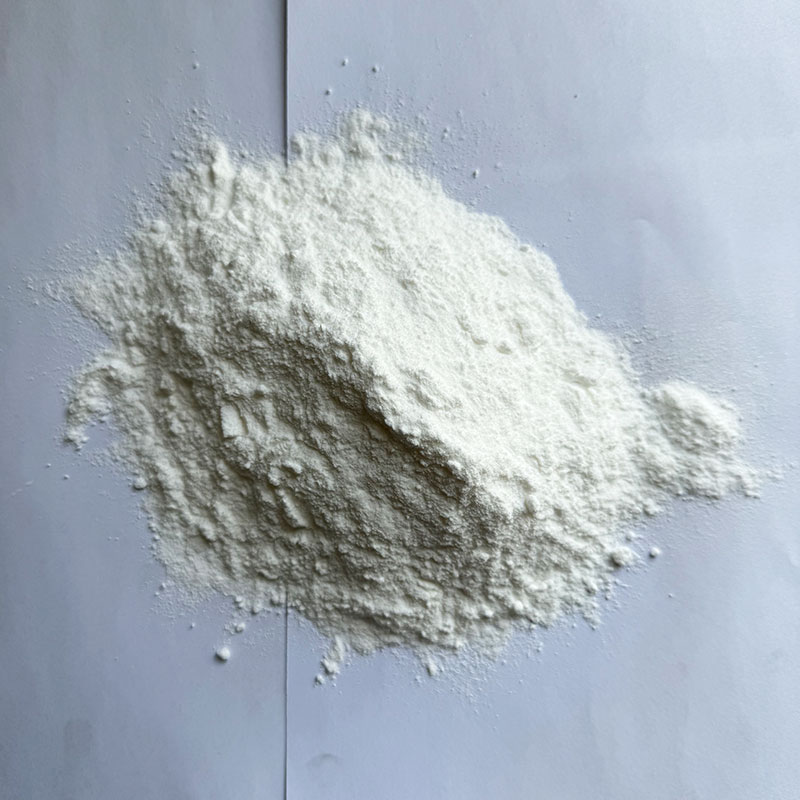
Table of Contents
- Technical indicators of PCOTEC Indoor Physical Matting Agent
- How an indoor physical matting agent works
- Advantages of indoor physical matting agents
- Typical applications in indoor powder coatings
- Formulation and processing considerations
- Comparison with chemical matting approaches
- Selection considerations for buyers
- Why PCOTEC supports reliable indoor matting solutions
- Storage and handling recommendations
- FAQ
- Conclusion
Technical indicators of PCOTEC Indoor Physical Matting Agent
This indoor physical matting agent is supplied as a stable powder additive suitable for controlled matte finishes in epoxy and epoxy-polyester powder coating systems.
| Item | Specification |
|---|---|
| Appearance | Light yellow powder |
| Bulk density | Stable at 550–560 grams per liter |
Bulk density stability supports consistent feeding and dispersion during powder production, while controlled particle characteristics contribute to reliable matting performance and surface uniformity.
How an indoor physical matting agent works
A physical matting agent functions by creating micro-level surface roughness within the cured coating film. During melting and flow, the matting particles distribute evenly throughout the coating. As the film cures, these particles subtly disrupt surface smoothness at a microscopic level, reducing light reflection and lowering gloss.
This indoor physical matting agent does not consume epoxy resin during curing and does not participate in chemical crosslinking. Because of this, it avoids common side effects associated with some chemical matting methods, such as resin imbalance, discoloration, or smoke formation during baking.
Key functional characteristics include:
Gloss reduction through physical surface modulation
Stable dispersion without interfering with curing reactions
Consistent matting effect across the coating surface
Clean processing behavior during extrusion and curing
Advantages of indoor physical matting agents
Stable color and appearance control
Because the matting effect is achieved physically rather than chemically, this type of matting agent does not cause yellowing during curing. This is particularly important for light-colored or neutral indoor finishes where color accuracy is closely monitored.
Clean curing behavior
The product does not produce smoke during use, supporting a cleaner curing environment and reducing contamination risk within ovens and surrounding equipment.
Predictable matting performance
This matting agent can provide at least three distinct degrees of matting effect, allowing formulators to fine-tune gloss levels based on application needs while maintaining surface consistency.
Cost-efficient matte formulation
Compared with other matting approaches, physical matting agents often provide a more economical solution for achieving matte finishes, especially in high-volume indoor coating programs.
Typical applications in indoor powder coatings
Indoor physical matting agents are commonly used where matte appearance, visual consistency, and clean processing are required.
Typical application scenarios include:
Indoor metal furniture and fixtures
Office equipment and storage systems
Electrical enclosures and cabinets used indoors
Decorative interior components
General indoor industrial parts requiring low-gloss finishes
These applications prioritize stable appearance and processing efficiency rather than extreme weather resistance.
Formulation and processing considerations
When incorporating an indoor physical matting agent into a powder coating formulation, several factors influence final appearance and performance.
Recommended evaluation steps include:
Selecting target gloss level
Define the desired matte range and visual texture before formulation adjustment.Balancing matting level and film integrity
Excessive matting agent can affect mechanical properties or surface feel, so dosage optimization is important.Ensuring uniform dispersion
Proper mixing and extrusion conditions help distribute matting particles evenly and avoid gloss variation.Verifying performance across thickness range
Matte consistency should be checked at different film builds to confirm uniform appearance.Confirming color stability after curing
Light-colored coatings should be evaluated carefully to verify absence of yellowing.
Comparison with chemical matting approaches
Physical matting agents differ from chemical matting systems in several important ways:
No epoxy consumption during curing
No smoke generation during baking
No yellowing associated with chemical reaction byproducts
More predictable gloss control through dosage adjustment
For indoor applications where appearance consistency and clean processing are priorities, physical matting agents are often preferred.
Selection considerations for buyers
When selecting an indoor physical matting agent, buyers typically focus on:
Appearance stability and color neutrality
Bulk density consistency for production control
Ease of dispersion during extrusion
Matting efficiency and gloss control range
Cost balance relative to target performance
Lab trials and small-scale production runs remain the best method for confirming compatibility with specific resin systems and process conditions.
Why PCOTEC supports reliable indoor matting solutions
PCOTEC focuses on supplying functional powder coating Additives designed for real production environments. Indoor physical matting agents provided by PCOTEC are developed to support stable gloss control, clean processing behavior, and consistent batch performance.
Key strengths include:
Clear technical indicators that support formulation planning
Stable bulk density for reliable handling and dispersion
Clean curing behavior without smoke or yellowing
Practical support for matte finish optimization
PCOTEC works with customers to align matting performance with appearance goals and production efficiency.
Storage and handling recommendations
To maintain consistent performance, proper storage is recommended.
Store in a dry, indoor environment
Protect from moisture and direct sunlight
Keep packaging sealed when not in use
Follow standard inventory rotation practices
Stable storage conditions help preserve powder flowability and matting efficiency.
FAQ
Is an indoor physical matting agent suitable for outdoor coatings?
This type of matting agent is designed primarily for indoor powder coatings. Outdoor applications usually require additional weather resistance considerations.
Does it affect curing speed or crosslinking?
No. It does not participate in curing reactions and does not consume epoxy resin.
Can it be used with epoxy and epoxy-polyester systems?
Yes. It is commonly evaluated in epoxy and epoxy-polyester powder coating formulations intended for indoor use.
How many gloss levels can be achieved?
This product can provide at least three degrees of matting effect, depending on formulation design and dosage.
Conclusion
An indoor physical matting agent is a powder coating additive used to achieve controlled matte finishes through physical surface modification rather than chemical reaction. It supports stable gloss reduction, avoids yellowing and smoke generation, and offers a cost-efficient solution for indoor powder coating systems.
PCOTEC supplies an indoor physical matting agent with stable bulk density and clean processing behavior, helping coating manufacturers achieve consistent matte appearance while maintaining efficient and reliable production.