




Gluten-Free Coatings: How To Achieve The Desired Texture And Finish?
In coating applications where surface quality is tightly specified, achieving the right texture and finish is often the most challenging part of system design. This is especially true for powder coatings used on equipment, racks, and components that require clean material declarations and stable, repeatable appearance performance. In these cases, the success of a “gluten-free” coating program depends not only on formulation compliance, but on how well the coating levels, wets the substrate, and cures into a uniform film without visual defects.
This article focuses on the technical factors that control texture and finish in gluten-free powder coating systems, including formulation structure, application discipline, and the role of functional Additives in improving flow, surface smoothness, and defect reduction.
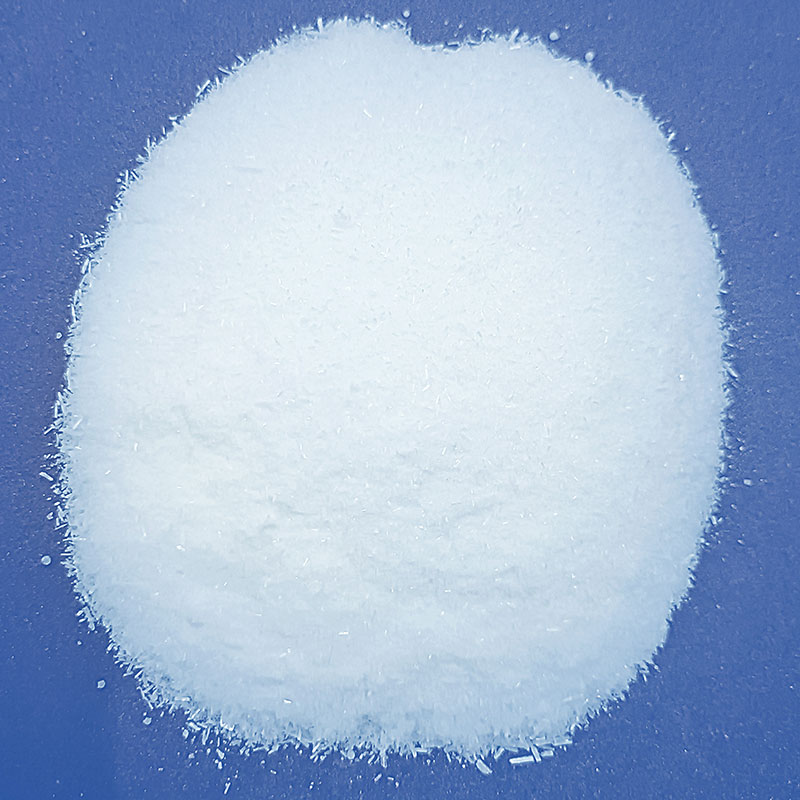
Table of Contents
- What Gluten-Free Means In A Coating Context
- Finish Targets: Smooth, Matte, Or Textured
- The Main Variables That Decide Texture And Finish
- Using Additives To Control Leveling, Wetting, And Defect Reduction
- Step-By-Step: Achieving A Cleaner, More Controlled Finish
- Quick Troubleshooting Table For Texture And Finish
- Conclusion
What Gluten-Free Means In A Coating Context
In coatings, gluten-free typically refers to the absence of gluten-containing raw materials in the coating formulation and a manufacturing approach that supports allergen-control expectations. Because coating supply chains vary, buyers usually treat gluten-free as a documentation and risk-management topic rather than a “standard feature.”
For project buyers, a gluten-free coating program often includes:
Raw material declarations and allergen statements from upstream suppliers
Traceability for batches used on sensitive production lines
Handling and storage practices that avoid cross-contact
Cleaning and validation practices aligned with plant QA requirements
The most practical approach is to define gluten-free as a procurement requirement, then pair it with a surface-performance specification that describes the finish you must achieve.
Finish Targets: Smooth, Matte, Or Textured
Before selecting additives or changing process settings, clarify what “desired texture” means for your product and service conditions.
Common industrial finish targets include:
Smooth and high-gloss
Preferred for easy cleaning, strong visual quality, and reduced dirt pickup.Satin or matte
Used when glare control, premium appearance, or hiding minor substrate defects is important.Fine texture
Often used to mask weld lines, improve scratch hiding, or create a “soft” industrial look.Heavy texture or special effects
Used for durable masking and specific design language, but usually needs tighter process control.
Once the finish target is defined, you can control it through a combination of formulation levers and application discipline.
The Main Variables That Decide Texture And Finish
Resin System And Cure Chemistry
The resin system sets the baseline flow, leveling behavior, and final film formation. Even with the same pigment package, two resin families can produce noticeably different surface results at the same cure schedule. If your finish must be extremely smooth, choose a system known for strong flow and leveling. If you need controlled texture, select a system that can hold structure without over-leveling.
Particle Size And Distribution
Powder particle distribution affects melt behavior and surface appearance. A broader distribution can increase texture variability, while a tighter distribution can improve uniformity. If you see inconsistent orange peel or patchy texture, this is one of the first areas to review alongside application settings.
Film Thickness
Film build is a direct driver of appearance:
Too thin: poor hiding, uneven leveling, and higher defect visibility
Too thick: increased risk of orange peel, pinholes, or trapped volatiles depending on the system
If the goal is repeatable finish across batches, standardize target micron range and confirm the application team measures it consistently.
Substrate Preparation
Texture issues are often blamed on formulation, but poor substrate preparation can cause wetting problems, craters, and local flow disruptions. Residual oils, inconsistent pretreatment, and uneven blasting profiles can all change how a coating levels during cure.
Using Additives To Control Leveling, Wetting, And Defect Reduction
Additives are often the fastest and most reliable way to tune surface appearance without rebuilding the whole system. For finish control in powder coatings, leveling and wetting are particularly important because they determine whether the molten film spreads evenly or freezes into defects.
A leveling agent designed for powder coatings typically helps by:
Adjusting surface tension so the film spreads uniformly
Improving wetting on the substrate so flow is more consistent
Reducing common appearance defects such as orange peel and shrinkage cavities
PCOTEC’s Leveling Agent Mode is described as an acrylate-polymer based additive designed to adjust surface tension, homogenize the coating, and significantly improve leveling during curing, with a stated effect of reducing orange peel and eliminating shrinkage cavities. It also emphasizes strong wetting performance through an integrated wetting accelerator and notes it is silicone-free to support clean application without impacting recoating adhesion.
Practical formulation notes from the product information:
Recommended dosage: 0.6–0.8%
Compatibility: indicated as suitable across powder coating systems
Form: white flowing powder
These features map directly to the finish goals that matter in industrial coatings: stable appearance control, easier dispersion, and reliable defect reduction during cure.
Step-By-Step: Achieving A Cleaner, More Controlled Finish
Step 1: Lock Down The Finish Specification
Define the finish using measurable terms:
Gloss range at a specified angle
Texture class or reference panel
Acceptable level of orange peel and visible defects under standard lighting
This prevents “good” from changing between inspectors, shifts, or sites.
Step 2: Stabilize Application Variables
Even a strong formulation cannot overcome inconsistent application. Standardize:
Gun settings and powder output stability
Part grounding quality
Booth temperature and humidity range
Target film thickness and measurement method
If your surface varies across the part, check Faraday areas and confirm your team has a repeatable approach for edges and recesses.
Step 3: Tune Flow And Leveling With A Leveling Agent
If the surface shows orange peel, shrinkage cavities, or uneven flow, introduce or optimize a leveling agent within the recommended dosage window. For silicone-free requirements and strong wetting support, evaluate solutions like PCOTEC Leveling Agent Mode as part of a controlled trial.
Step 4: Confirm Cure Completeness
Under-curing often looks like texture instability: the film may appear uneven, softer than expected, or prone to marks. Over-curing can shift gloss or increase yellowing depending on the system. Validate cure using:
Metal temperature profiling
Time at temperature verification across part geometry
Consistent line speed control
Step 5: Validate Cleaning And Recoat Behavior
For industrial users, a surface that looks perfect but cannot be recoated reliably is a risk. Silicone-free leveling agents are often selected specifically to help preserve recoat adhesion behavior while still improving flow and appearance.
Quick Troubleshooting Table For Texture And Finish
| Symptom | Likely Cause | Practical Fix |
|---|---|---|
| Orange peel | Flow and leveling not sufficient, film build too high, cure mismatch | Adjust leveling agent, optimize film thickness, verify cure profile |
| Shrinkage cavities | Wetting issues, trapped volatiles, surface tension imbalance | Improve wetting and leveling, tighten pretreatment, stabilize curing |
| Craters or poor wetting | Surface contamination, incompatible additives | Improve cleaning/pretreatment, re-check additive package, run controlled trials |
| Uneven texture across part | Grounding differences, Faraday effect, inconsistent film | Improve grounding, adjust application strategy, standardize film thickness |
| Gloss variation batch to batch | Cure drift, inconsistent powder quality, storage issues | Lock cure parameters, tighten QC, improve powder handling discipline |
Conclusion
Achieving the desired texture and finish in gluten-free coating programs requires two parallel controls: documentation alignment for gluten-free requirements and technical control over film formation. On the technical side, surface results are driven by resin system behavior, particle distribution, film build, substrate preparation, and cure stability. When appearance defects like orange peel and shrinkage cavities become the bottleneck, a powder-coating leveling agent can be one of the most effective tuning tools, especially when it improves wetting and leveling without introducing recoat risks.
To learn more about additives that support flow, smoothing, and defect reduction, please browse PCOTEC Additives. If you share your finish target, substrate, cure schedule, and current defects, PCOTEC can provide practical guidance for formulation tuning and production trials, including support for OEM/ODM and bulk implementation requirements.