




HAA vs. TGIC: Which Polyester Curing Agent Is Right For Your Outdoor Coatings?
Outdoor powder coatings are judged by what happens months and years after application: gloss retention, color stability, chalking control, impact durability, and long-term adhesion under heat, rain, salt, and UV exposure. For carboxyl-functional polyester systems, TGIC and HAA are two mainstream curing routes that can both deliver strong outdoor performance, but they behave differently in formulation balance, cure response, finish control, and compliance expectations. Choosing the right curing agent is less about which one is universally better and more about which one best matches your Resin acid value, target appearance, and production window.
This guide compares HAA and TGIC from a practical coating-engineering perspective and includes key physical property data so you can shortlist the right option faster. To review PCOTEC options, browse our PCOTEC Curing Agents page.
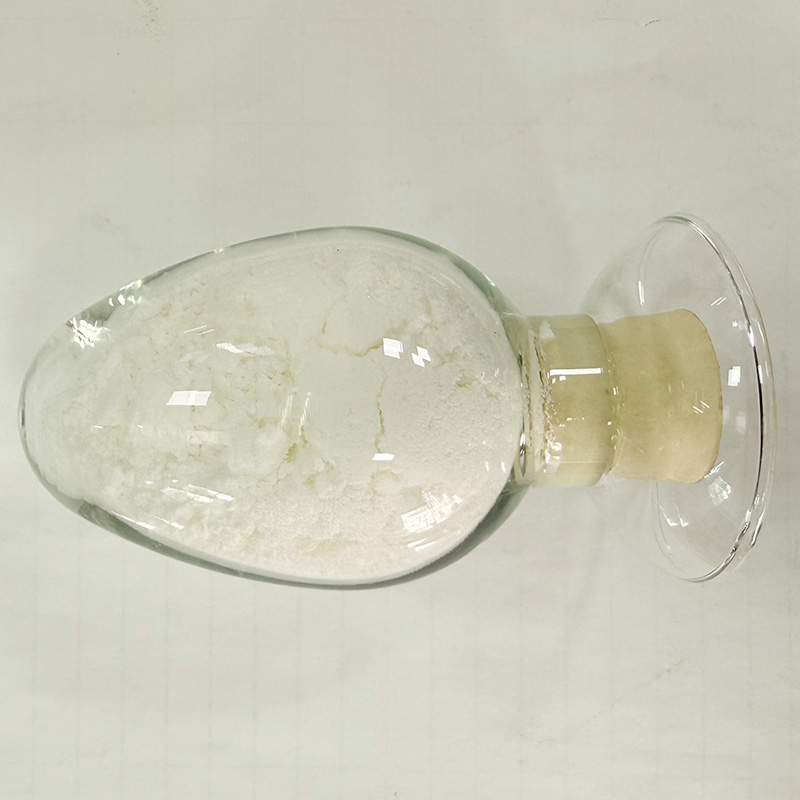
Table of Contents
- What TGIC And HAA Do In Polyester Powder Coatings
- Outdoor Performance Priorities That Drive The Choice
- TGIC Curing Agent Overview For Outdoor Coatings
- HAA Curing Agent Overview For Outdoor Coatings
- Side-By-Side Technical Data From PCOTEC Curing Agents
- How To Choose The Right Curing Agent For Your Outdoor Project
- Cure And Formulation Tips That Improve Outdoor Results
- Quick Decision Table For Outdoor Coating Selection
- Conclusion
What TGIC And HAA Do In Polyester Powder Coatings
A carboxyl polyester powder coating needs a crosslinker to form a durable three-dimensional network during curing. The crosslink density and reaction pathway influence mechanical strength, weatherability, chemical resistance, leveling, and yellowing tendency.
TGIC is a heterocyclic epoxy compound used as a crosslinking agent for pure polyester powder coatings. TGIC dosage is typically calculated based on the acid value of the polyester resin, and a common reference dosage is about 7 percent of resin weight, adjusted by acid value.
HAA compounds are tetra-functional β-hydroxyalkylamide crosslinkers. They react with carboxylated polyester or acrylic resins to form outdoor-weather-resistant powder coatings, and they are widely used as a TGIC alternative in many market specifications.
Outdoor Performance Priorities That Drive The Choice
Outdoor coatings usually fail in predictable ways, so selection can be tied to the failure mode you most want to avoid.
Weathering stability
Look for stable gloss retention, lower chalking risk, and consistent color performance under UV exposure.Yellowing control
Heat buildup on dark colors and high bake margins can drive yellowing. The curing route and formulation balance both matter.Mechanical durability
Outdoor parts face handling, assembly, and impact. The crosslink network must resist cracking, chipping, and delamination.Appearance repeatability
Outdoor programs often require controlled gloss, smooth leveling, and low defect rates across different part geometries.Cure window compatibility
The best chemistry is the one that fully cures on your line with minimal sensitivity to load variation.
TGIC Curing Agent Overview For Outdoor Coatings
TGIC is often selected when the coating system must deliver a strong combination of heat resistance, weather resistance, adhesion, and high-temperature performance. TGIC has a molecular weight of 297 and CAS number 2451-62-9.
In powder coating systems, TGIC is commonly used for:
Crosslinking agent for pure polyester powder coatings with dosage calculated by polyester acid value
Crosslinking agent for carboxyl-containing polyacrylate systems
When outdoor coatings require robust mechanical strength and a wide performance envelope, TGIC systems are frequently evaluated first, then tuned by resin selection, pigment package, and Additives.
HAA Curing Agent Overview For Outdoor Coatings
HAA Curing Agents are used to build outdoor weather-resistant powder coatings with strong mechanical performance and stable appearance. They crosslink with carboxylated polyester or acrylic resins and are often selected when a TGIC-free route is needed.
HAA-based systems are commonly used in outdoor programs that emphasize:
Clean finish and stable appearance control
Market or specification preference for TGIC alternatives
Balanced weather resistance and mechanical properties when formulation and cure are optimized
Side-By-Side Technical Data From PCOTEC Curing Agents
Below is a practical comparison of representative TGIC and HAA grades. These numbers help you understand processing behavior, purity control, and handling expectations.
TGIC Physical Properties
| Item | TK-902 | TK-906 |
|---|---|---|
| Appearance | White granules or powder | White granules or powder |
| Epoxy Equivalent g/mol | ≤110 | 105 |
| Total Chlorine Content percent | ≤0.6 | 0.4 |
| Melting Range °C | 95 to 125 | 95 to 125 |
| Viscosity at 120±1°C mPa·s | ≤100 | 100 |
| Volatile Content percent | ≤0.5 | 0.5 |
| Epichlorohydrin Residue ppm | ≤250 | 100 |
How to interpret this table for outdoor work:
Lower total chlorine and lower epichlorohydrin residue are often used as quality indicators for consistent formulation behavior.
The melting range and viscosity range influence melt mixing, dispersion, and flow behavior during extrusion and curing.
HAA Physical Properties
| Item | TK-H220 | TK-H320 |
|---|---|---|
| Appearance | White powder | White powder |
| Hydroxyl Equivalent g/mol | 82±2 | 82±2 |
| Melting Range °C | 120 to 130 | 125 to 132 |
| Volatile Content percent | ≤1.0 | ≤1.0 |
How to interpret this table for outdoor work:
Melting range affects extrusion stability and the onset of reaction during bake.
Hydroxyl equivalent helps guide stoichiometric balance with carboxyl polyester systems.
How To Choose The Right Curing Agent For Your Outdoor Project
Choose TGIC When You Need A Broad Outdoor Performance Envelope
TGIC is often a strong match when your outdoor program prioritizes:
High-demand weather resistance plus strong adhesion on metal substrates
High heat tolerance targets and stable mechanical strength
A proven curing route for architectural profiles, exterior frames, and durable metal components
A formulation approach where acid value-based dosage control is already part of your QC routine
TGIC selection works best when you tightly manage resin acid value, curing schedule, and pigment compatibility so the coating reaches full crosslinking without overbake.
Choose HAA When TGIC-Free Requirements And Finish Control Are Central
HAA is often the better match when your project needs:
A TGIC alternative aligned with certain market or regulatory expectations
Strong overall outdoor performance with stable appearance goals
High-gloss outdoor finishes that require consistent leveling and low defect risk
Matte systems that rely on careful formulation balance and predictable cure behavior
HAA programs benefit from disciplined stoichiometry control and stable cure conditions, especially when part geometry varies.
Cure And Formulation Tips That Improve Outdoor Results
Balance stoichiometry with resin acid value
For TGIC systems, dosage is calculated from polyester acid value. For HAA systems, hydroxyl equivalent and acid value matching is critical. Incorrect balance can reduce weather resistance and increase brittleness or softness.Validate metal temperature, not only oven air temperature
Outdoor durability depends on complete curing. Confirm time at temperature across thick and thin parts in the same load.Control film thickness consistently
Too thin reduces barrier performance. Too thick can increase orange peel, pinholes, or gloss variability depending on the system.Use additives to stabilize flow and surface appearance
Outdoor projects often reject parts due to appearance defects, not only performance failures. Additives that improve leveling and reduce shrinkage issues can raise first-pass yield.Plan for color stability
Yellowing and fade resistance are system outcomes. Resin, curing agent, pigment choice, and cure margin must be aligned.
Quick Decision Table For Outdoor Coating Selection
| Requirement Focus | TGIC Route Tends To Fit | HAA Route Tends To Fit |
|---|---|---|
| Strong all-round outdoor durability | Yes | Yes, depends on system design |
| TGIC-free specification | No | Yes |
| Heat resistance emphasis | Often preferred | Depends on formulation targets |
| High-gloss appearance stability | Strong with correct formulation | Often selected for stable high-gloss programs |
| Process needs strict acid value-based dosage control | Yes | Still important, but balanced by hydroxyl equivalent control |
| Sensitive to cure drift and mixed loads | Depends on line control | Depends on line control |
Conclusion
HAA and TGIC are both proven curing routes for outdoor polyester powder coatings, but they serve different project priorities. TGIC is frequently chosen when you want a robust outdoor film with strong heat resistance, adhesion, and mechanical durability, with dosage control guided by polyester acid value. HAA is often selected when a TGIC-free route is required and when the project emphasizes stable finish control and consistent outdoor weather resistance through careful stoichiometric balance and cure discipline.
To compare PCOTEC TGIC and HAA curing agent options and match them to your resin acid value, target gloss, and curing profile, please browse our PCOTEC Curing Agents collection. If you share your substrate, pretreatment, exposure conditions, and bake schedule, PCOTEC can provide selection guidance, formulation direction, and OEM and ODM support for bulk implementation in outdoor coating programs.