




How To Choose The Right Matting Agent for Indoor Coatings?
A matte indoor coating looks simple on the surface, but getting that finish right is rarely simple in production. Most buyers already know this. The real issue is not whether a matting agent can lower gloss. The real issue is whether it can do it cleanly, consistently, and without creating new problems in curing, color, or film appearance.
That is why indoor coating manufacturers usually look past the basic sales description. They need a material that works well in the formula, gives a steady matte effect, and stays manageable in day-to-day production. If the gloss shifts between batches, if the cured film yellows, or if the finish looks uneven, the material stops being useful no matter how attractive the original quotation looked.
Our indoor physical matting additive is developed for that kind of practical use. It is used in indoor powder coatings as a pure physical matting solution. It does not take part in the curing reaction, does not consume epoxy groups, produces no smoke during curing, and helps keep the coating surface stable and low in yellowing. For buyers who want a reliable matte finish without making the system harder to control, that is a very workable direction.
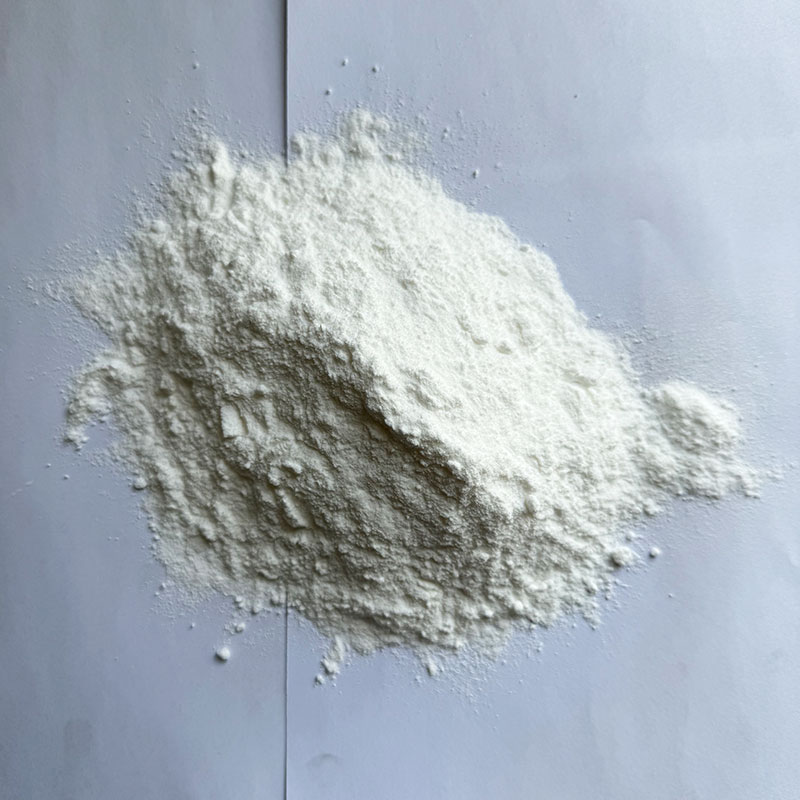
Table of Contents
- Start With The Finish You Actually Want
- Do Not Treat All Matting Routes As The Same
- Film Appearance Is More Important Than A Low Gloss Reading
- Watch Yellowing Early, Not After Complaints
- Production Stability Usually Matters More Than Lab Samples
- Think About The Whole Formula, Not Only One Additive
- OEM And Custom Support Can Save A Lot Of Time
- Conclusion
Start With The Finish You Actually Want
A lot of sourcing conversations begin with one sentence: we need lower gloss. That sounds clear enough, but it is usually too broad to make a good buying decision. Indoor coatings are used on many different products, and the same gloss target does not always mean the same visual result.
Some buyers want a soft matte look with smooth visual balance. Others need a deeper matte finish that still feels clean and even after curing. In both cases, the surface has to look stable rather than dry, cloudy, or patchy. That is why the first step is not just choosing a low-gloss additive. It is deciding what kind of matte effect the final coating should show in real production.
Our product is useful here because it is designed for stable, controllable physical matting in indoor powder coatings. The page also notes that it can reach a very low gloss level, down to 3 degrees in suitable systems. That matters because many buyers are not only chasing a matte label. They need a finish that can actually meet commercial expectations on the production line.
Do Not Treat All Matting Routes As The Same
In indoor coatings, the way gloss is reduced matters just as much as the final number. Some systems rely more heavily on reactive behavior inside the cure process. Others use a physical route to create the matte effect. For many indoor applications, physical matting is easier to work with because it reduces gloss without adding another reactive variable into the formula.
That is one reason a silica matting agent or another physical matting option is often attractive to formulators and production buyers. It offers a more direct way to manage surface appearance without making the coating chemistry unnecessarily complicated. For indoor powder coatings, that can help simplify formulation work and make production more predictable.
Our matting additive follows this physical route. It does not participate in the chemical reaction and does not consume epoxy groups. For buyers, that usually means one important thing: the matte effect is easier to control without disturbing the curing system more than necessary.
Film Appearance Is More Important Than A Low Gloss Reading
A coating can test at the target gloss level and still look commercially weak. This happens more often than buyers would like. The finish may look dull in the wrong way, or the surface may show inconsistency once the product moves from the lab to production. That is why choosing a matting agent by gloss value alone is risky.
In indoor coatings, the customer sees the surface before they see the data sheet. They notice whether the finish looks clean, whether the color stays right, and whether the matte effect feels stable across the part. A coating that looks uneven or unstable will cause trouble no matter how good the technical target seemed on paper.
Our indoor physical matting additive is intended to give a stable matte effect with a more controlled film appearance. That matters because indoor powder coatings are often used on products where surface quality is part of the sale. Buyers need a finish that looks consistent across orders, not just a formula that can hit one low-gloss result in development.
Watch Yellowing Early, Not After Complaints
Indoor coatings are often chosen for decorative and visible applications, so appearance stability matters over time. One of the easiest ways to lose confidence in a coating system is for the surface to yellow during curing or to show color drift later in use. This becomes especially serious in white, light, and soft-tone finishes.
That is why yellowing resistance should be part of the buying decision from the start. It is not something to check only after the coating is already in production. If a matting agent helps lower gloss but makes the coating more likely to discolor, it may cost more in returns, reformulation, and customer complaints than it ever saved in purchasing.
Our product is designed with anti-yellowing performance in mind, which makes it more suitable for indoor powder coatings where visual cleanliness matters. The page also highlights smoke-free curing. That is another practical point because buyers do not want curing conditions that create unnecessary residue or make the line harder to manage.
Production Stability Usually Matters More Than Lab Samples
A lot of materials look acceptable in small-scale testing. The real test comes later, when the coating has to run in normal production, hold the same finish over multiple batches, and keep the same result under ordinary factory conditions. That is where many purchasing decisions succeed or fail.
Indoor coating buyers usually care about the same few questions. Will the gloss stay stable from batch to batch? Will the coating cure cleanly? Will the finish still look good when production volume increases? Can the formula be repeated without constant adjustment?
This is where a well-controlled physical matting system often gives buyers more confidence. Our indoor matting additive is designed for stable use in powder coatings, and the listed bulk density range of 550 to 560 g/L also tells buyers that the product is being supplied with clear physical-control parameters rather than vague claims alone. For industrial users, those details matter because stable input makes stable output easier to achieve.
Think About The Whole Formula, Not Only One Additive
A matting agent does not work alone. It has to fit the full coating system, including Resin choice, curing setup, desired finish, and production conditions. This is why buyers often run into trouble when they buy only by category name. Two products may both be sold as matting agents, but they may behave very differently once they are placed into a real indoor formulation.
That is why supplier support matters. Buyers do not always need a supplier who only ships material quickly. They often need someone who understands how the product will be used in the final system. In technical coating markets, even a good raw material becomes less useful if there is no support behind it.
Our supply approach reflects that need. The Additives page is tied to broader technical customization, application support, and reliable service. For B-end buyers, that matters because formulation work is rarely static. Sometimes the customer wants a lower gloss. Sometimes they want better surface balance. Sometimes they want the same matte effect with easier production handling. Those discussions are much easier when the supplier understands the application, not just the product code.
OEM And Custom Support Can Save A Lot Of Time
Not every coating producer is buying for the same target. One customer may need a matte finish for indoor appliances. Another may be supplying decorative metal parts. Another may want to develop a private-label powder coating line. In those cases, the material itself is only part of the solution. The buyer also needs support that fits the business model.
That is why OEM and custom support matter even in additive sourcing. Buyers may need specific performance positioning, formulation guidance, or a more tailored technical response. A supplier that can support these needs becomes more useful over time than one that only offers a fixed list of products.
For importers, formulators, and project-based buyers, this kind of flexibility is practical. It shortens development time, reduces unnecessary trial work, and makes it easier to align the matting solution with the final coating goal.
Conclusion
Choosing the right matting agent for indoor coatings is really about choosing control. Buyers need a material that can reduce gloss without making production harder, protect film appearance without adding curing problems, and support a stable finish over repeat orders.
For many indoor powder coating systems, a physical matting route is the more practical choice because it keeps the gloss-control job clear and manageable. Our indoor physical matting additive is built for that kind of use, with stable physical matting, no epoxy consumption, smoke-free curing, low yellowing, and a matte effect that can go as low as 3 degrees in suitable systems.
If you are comparing options for indoor powder coatings and want a more workable matte solution, send us your formulation target or coating requirement. We can help you review the right direction, discuss technical fit, and support your next order with more practical guidance from the supplier side.