




What Are The Best Silicone Resin Applications in Electrical Insulation?
Electrical insulation materials are expected to perform under heat, voltage stress, humidity, dust, and long service cycles. For many manufacturers, the real challenge is not only choosing an insulating material, but keeping performance stable during mass production. Silicone Resin is often selected for this reason. It offers strong heat resistance, weatherability, hydrophobicity, and chemical durability, making it useful in electrical parts that must remain reliable in demanding environments.
For buyers comparing Silicone Resin manufacturers, the key point is not just whether the resin can resist heat. It is also important to check whether the supplier can support stable batches, formulation guidance, and bulk order requirements. Our silicone resin is a methylphenyl organosilicon resin with silanol groups. It has good compatibility and high reactivity, and it can be cold blended or copolymerized for high-temperature resistance. In powder coating and insulation-related systems, this helps manufacturers improve coating durability, electrical protection, and long-term surface performance.
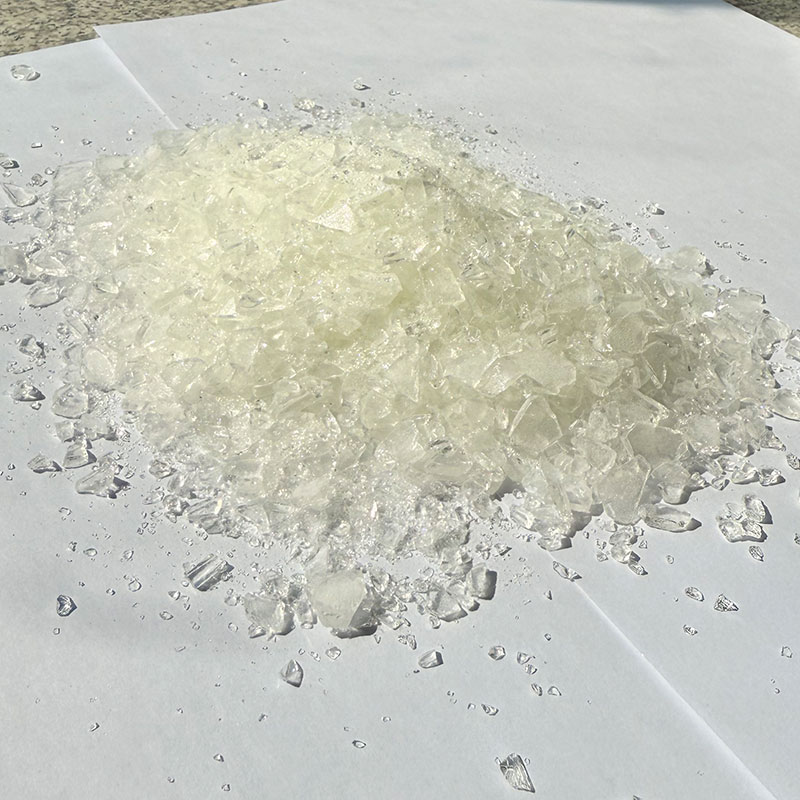
Table of Contents
- Why Silicone Resin Works Well In Electrical Insulation
- High-Temperature Electrical Coatings
- Transformer And Motor Insulation Support
- Insulation Protection For Electrical Cabinets
- Electrical Components Used In Outdoor Conditions
- Powder Coating Systems For Electrical Products
- What Buyers Should Check Before Ordering Silicone Resin
- Conclusion
Why Silicone Resin Works Well In Electrical Insulation
Silicone resin has a molecular structure that performs well when exposed to heat and environmental stress. In electrical insulation, materials often face temperature rise from current flow, thermal cycling, and outdoor aging. A weak coating or unstable insulating layer may crack, lose adhesion, absorb moisture, or fail earlier than expected.
Silicone resin helps reduce these risks because it offers a balance of thermal stability, water resistance, and surface protection. For electrical components, this can support longer service life and more stable insulation performance. It is especially valuable when the final product needs to work in high-temperature cabinets, outdoor equipment, power systems, lighting housings, motors, transformers, or industrial control parts.
For B2B buyers, this is also a purchasing decision linked to production risk. A resin with inconsistent performance can cause coating defects, rework, customer complaints, and delayed delivery. A stable silicone resin supply makes it easier to control batch quality and meet project timelines.
High-Temperature Electrical Coatings
One of the most common applications of silicone resin in electrical insulation is high-temperature protective coatings. Electrical parts such as coils, metal housings, terminal blocks, and equipment covers may need coatings that can withstand heat without yellowing, softening, or losing protection too quickly.
Our silicone resin can be used directly or compounded into heat-resistant and weather-resistant powder coatings. When blended with suitable organic resin systems, silicone resin helps improve continuous heat resistance. This is useful for manufacturers making electrical parts that need both insulation support and surface protection.
For industrial buyers, the main concern is usually practical: will the coating remain stable after repeated heating and cooling? Silicone resin helps improve heat durability, surface hardness, and resistance to environmental aging. This makes it suitable for applications where ordinary coating systems may not provide enough long-term protection.
Transformer And Motor Insulation Support
Transformers and motors generate heat during operation. Their insulation materials must resist thermal aging while keeping the structure protected. Silicone resin can be used in coating or bonding systems related to these components, especially where heat resistance and moisture protection are required.
In these applications, the resin does not work alone. It is usually part of a complete formulation system. That is why buyers should not only ask for a price, but also discuss usage conditions, curing requirements, substrate type, expected temperature range, and final performance goals.
For OEM/ODM projects, this is especially important. Different customers may require different coating thickness, gloss, flexibility, curing profile, and weather resistance. A supplier that understands formulation adjustment can help reduce trial-and-error during sampling and mass production.
Insulation Protection For Electrical Cabinets
Electrical cabinets, control panels, and outdoor distribution boxes often need coatings that protect against heat, humidity, dust, and corrosion. Silicone resin is useful in powder coating systems designed for these environments because it improves weatherability and hydrophobicity.
In outdoor electrical cabinets, moisture is a major concern. Water absorption or coating degradation can reduce insulation safety and shorten product life. Silicone resin helps create a more durable protective layer, supporting better resistance to moisture and aging.
For project buyers, the pain point is usually consistency across large orders. Cabinets may be produced in batches for commercial buildings, industrial plants, energy projects, or infrastructure installations. If the coating performance changes between batches, it can affect appearance, protection, and customer acceptance. Stable resin quality helps manufacturers control these risks more effectively.
Electrical Components Used In Outdoor Conditions
Outdoor electrical products face stronger aging pressure than indoor parts. UV exposure, rain, temperature changes, and industrial pollution can all affect coating performance. Silicone resin is widely used when electrical components need both insulation support and weather protection.
Typical application areas include outdoor lighting components, power equipment shells, communication equipment parts, electrical connectors, and protective metal structures. In these products, the coating must do more than look good. It must help protect the component over years of exposure.
Our silicone resin offers excellent weatherability, strong hydrophobicity, chemical durability, and enhanced gloss retention. These properties are valuable when the end product must maintain a stable surface and protective performance in outdoor electrical applications.
Powder Coating Systems For Electrical Products
Silicone resin can be used in heat-resistant and weather-resistant powder coating systems. For electrical product manufacturers, powder coating is often preferred because it supports efficient production, good surface coverage, and lower solvent use compared with many liquid coating systems.
In insulation-related powder coatings, silicone resin helps improve heat resistance and outdoor durability. It can be combined with other resin systems to adjust performance based on the final application. This flexibility is important for factories that produce different electrical parts for different markets.
For bulk order buyers, formulation stability matters. Problems such as poor leveling, weak adhesion, color instability, cracking, or inconsistent gloss can increase production waste. A suitable silicone resin helps manufacturers build a more reliable coating system and reduce unnecessary quality issues during large-scale production.
What Buyers Should Check Before Ordering Silicone Resin
Before purchasing silicone resin for electrical insulation applications, buyers should check several practical points. These details affect not only product quality, but also production efficiency.
Heat Resistance Requirement
Different electrical products work under different temperature conditions. Buyers should confirm whether the silicone resin system can meet the expected heat resistance level after formulation and curing.
Compatibility With Existing Resin Systems
Silicone resin is often blended or compounded with other materials. Good compatibility can help improve processing stability and final coating performance.
Form And Processing Method
Solid silicone resin flakes are convenient for many industrial coating applications. Buyers should confirm melting behavior, mixing method, and production process requirements before bulk purchase.
Batch Stability
For wholesale and commercial-grade production, stable quality between batches is critical. Buyers should check technical indicators, sample testing results, and supply capacity before long-term cooperation.
Technical Support
Electrical insulation applications usually require more than a standard material supply. Formulation guidance, sample adjustment, and process suggestions can help buyers shorten development time.
Conclusion
Silicone resin is widely used in electrical insulation because it offers strong heat resistance, weatherability, hydrophobicity, and chemical durability. It is suitable for high-temperature electrical coatings, transformer and motor-related systems, outdoor electrical components, electrical cabinets, and powder coating systems that require long-term protection.
For B2B buyers, the best silicone resin choice should match the application environment, production process, and long-term supply plan. Stable quality, technical support, and flexible project cooperation are just as important as basic material performance.
Need help choosing silicone resin for your electrical insulation or heat-resistant coating application? Share your target temperature, substrate, coating system, and bulk order plan with us. Our team can help review your requirements and provide practical material guidance for your next project.