




How Does TGIC Improve Weather Resistance In Powder Coatings?
Outdoor powder coatings need to survive more than a good first impression. Once coated parts are installed outside, they face sunlight, rain, heat, humidity, temperature changes, and daily surface wear. If the curing system is not strong enough, the coating may lose gloss, fade faster, crack, chalk, or fail before the customer expects.
TGIC plays an important role in this type of coating system. It is widely used as a curing agent for pure polyester powder coatings, helping the Resin form a strong crosslinked film after baking. For coating factories and raw material buyers working with tgic polyester powder, the main value is better outdoor durability, stronger film integrity, and more reliable performance on metal products exposed to weather.
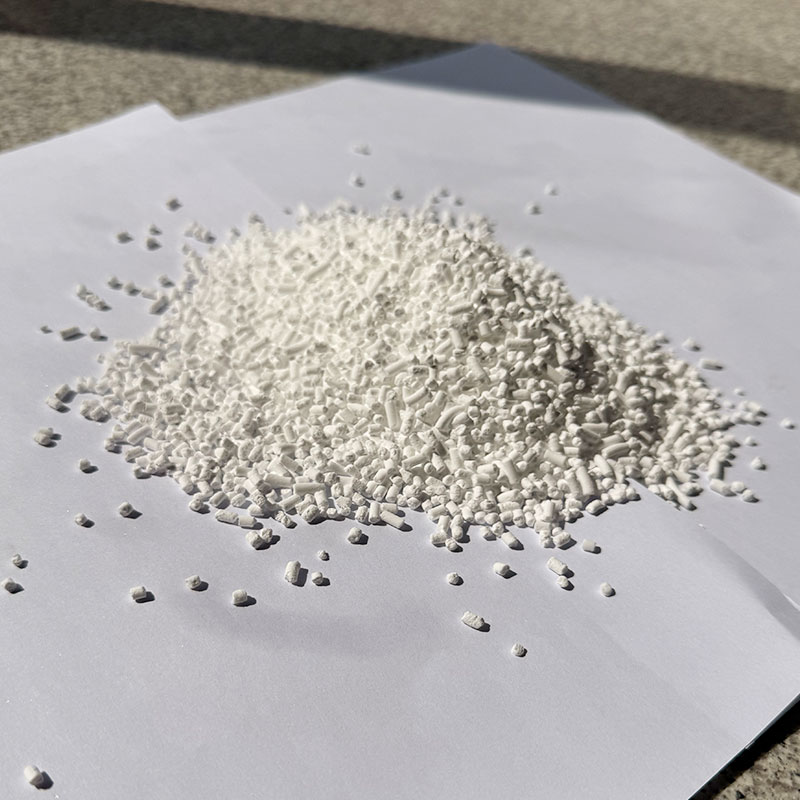
Table of Contents
Why Weather Resistance Depends On The Curing System
Polyester resin gives the powder coating its main film structure, but the curing agent helps lock that structure into a durable network. When the coating is heated in the oven, TGIC reacts with carboxyl polyester resin and helps build a tighter crosslinked film.
This crosslinking process matters because outdoor coatings are constantly attacked by UV light, moisture, and temperature movement. A weakly cured film may look acceptable after spraying, but it can show problems after months of outdoor use. Common issues include gloss loss, poor adhesion, surface chalking, color change, and reduced impact resistance.
For manufacturers, these failures are costly. They can lead to rejected batches, project complaints, repainting costs, and loss of repeat orders. That is why buyers should review curing performance before comparing only resin or pigment prices.
How TGIC Helps Outdoor Powder Coatings Perform Better
TGIC is valued in outdoor powder coatings because it supports strong film formation and stable curing. When matched correctly with polyester resin, it can help improve weather resistance, heat resistance, adhesion, gloss retention, and mechanical strength.
This makes it suitable for products such as aluminum profiles, outdoor furniture, metal fences, guardrails, garden equipment, machinery housings, architectural hardware, steel cabinets, and exterior metal components. These products need coatings that can keep their surface quality after long exposure, not only during factory inspection.
For high-volume coating plants, TGIC also offers a useful processing window. This can help production teams keep curing more stable when oven conditions, line speed, or part thickness vary slightly. In real production, this kind of tolerance is important because not every coated part heats in exactly the same way.
Key Points Buyers Should Check
When selecting TGIC for powder coating production, buyers should not only ask whether the material is “for outdoor use.” They should review how it fits their resin system, coating formula, and production line.
Important points include:
Compatibility with carboxyl polyester resin
Required dosage based on polyester acid value
Curing temperature and baking time
Outdoor exposure requirement
Gloss and color retention target
Mechanical performance requirement
Storage stability and moisture control
Batch consistency for repeat production
SDS and technical documentation support
For B2B buyers, these details are practical. A coating factory may need stable curing for daily production. A distributor may need consistent quality for local customers. An OEM or ODM project may require a formulation direction that matches a specific outdoor market or end-use product.
Where TGIC-Based Powder Coatings Are Commonly Used
TGIC-based polyester powder coatings are often selected for outdoor metal products where weather resistance is a priority. This includes architectural aluminum, building hardware, outdoor lighting housings, metal railings, outdoor shelves, fences, gates, and equipment casings.
The reason is simple: outdoor metal parts must keep both protection and appearance. If the coating loses gloss too quickly, customers may see it as poor quality. If adhesion or flexibility is weak, the surface may fail during use, transport, or installation.
For project suppliers and coating manufacturers, this affects brand reputation. A stable TGIC curing system helps reduce the risk of coating failure after the product leaves the factory.
Why Production Control Still Matters
TGIC can improve outdoor performance, but it cannot solve every problem by itself. The final coating quality still depends on the whole formula and process. Resin quality, pigment selection, filler balance, additive use, extrusion temperature, grinding control, film thickness, and oven condition all affect the final result.
For example, if the curing ratio is not correct, the film may not reach the expected performance. If the oven temperature is too low or the baking time is too short, the coating may look finished but remain under-cured. If the powder is stored poorly, moisture can affect application and surface quality.
This is why many buyers prefer to work with a supplier that understands both raw materials and application problems. Good technical communication can reduce trial costs and shorten the time needed to adjust a formula.
Supplier Support For Bulk And Custom Needs
For coating factories, stable TGIC supply is important for production planning. A shortage or unstable batch can affect delivery schedules, customer samples, and large coating orders. Buyers also need packaging, documentation, and communication that fit industrial purchasing habits.
As a curing agent supplier, we can support bulk orders, technical discussion, sample matching, packaging needs, and OEM/ODM coating projects. Buyers can share their polyester resin acid value, coating application, curing schedule, gloss target, and expected outdoor performance before ordering. This helps match the curing agent more closely with real production needs.
For distributors and local coating material suppliers, we can also discuss market-focused packaging and supply planning, making it easier to serve powder coating factories in different regions.
Conclusion
TGIC improves weather resistance in powder coatings by helping polyester resin form a strong, stable, and durable crosslinked film. For outdoor metal products, this can support better gloss retention, UV durability, adhesion, heat resistance, and mechanical strength.
For buyers working with tgic polyester powder, the right curing agent choice should be based on the final application, resin system, curing conditions, and long-term exposure needs. If you are developing outdoor powder coatings or sourcing TGIC for coating production, send us your formula direction, application field, curing process, and order plan. We can help review the material fit and provide practical purchasing support before your next bulk order.