




How To Compare Powder Coating Leveling Agent Suppliers?
Choosing a leveling agent supplier is not only about finding a lower price. For powder coating factories, coating material distributors, OEM coating projects, and industrial finish manufacturers, the right supplier can affect surface quality, production stability, customer complaints, and repeat order confidence.
A good powder coating leveling agent should help the molten coating flow evenly during curing, reduce common surface defects, and keep the finished film clean and smooth. Our leveling agent is based on an acrylate polymer system, designed to adjust surface tension, improve wetting, and support better leveling performance across powder coating formulations.
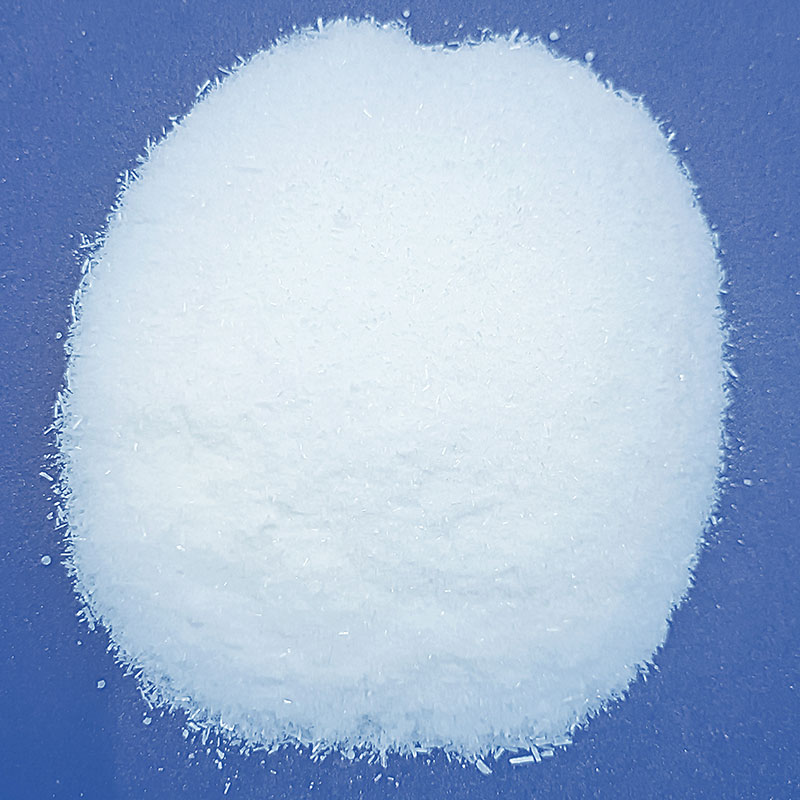
Table of Contents
Start With Real Surface Problems
Many coating factories compare suppliers only after defects appear on the line. Orange peel, shrinkage cavities, craters, poor flow, uneven gloss, and weak surface smoothness can all create trouble during production. These problems may not only waste powder, but also delay delivery and reduce customer trust.
A reliable leveling agent supplier should understand these issues from the production side. The product should not simply be described as “good for flow.” It should help the coating spread more evenly during curing, reduce visible surface defects, and keep the final finish closer to the customer’s sample standard.
For factories producing metal furniture, appliances, shelves, cabinets, machinery housings, lighting parts, and architectural metal finishes, this kind of surface control is very important. A coating may have the right color, but if the surface looks rough or uneven, the buyer may still reject it.
Check Compatibility With Your Powder System
Not every leveling agent works well in every powder coating formula. Different Resin systems, pigments, Fillers, Curing Agents, gloss targets, and extrusion conditions can affect how the additive performs.
A suitable supplier should ask about your coating system before recommending a grade. For example, polyester, epoxy-polyester, TGIC, HAA, metallic, matte, and high-gloss powders may need different formulation balance. If the additive is not compatible, it may cause new problems instead of solving old ones.
Our leveling agent is designed for wide compatibility in powder coating systems. It disperses easily in powder formulations and helps improve coating uniformity during curing. For buyers who run different coating categories, this can reduce testing complexity and make stock planning easier.
Review Defect Reduction Performance
A strong leveling agent should help control more than one surface issue. Buyers should pay attention to how the additive performs against orange peel, shrinkage cavities, poor wetting, and uneven flow.
Orange peel often appears when the coating does not flow smoothly before curing. Shrinkage cavities and craters can come from poor wetting, contamination, or surface tension imbalance. These issues are common in real production, especially when factories use complex pigments, recycled powder, different substrates, or fast production schedules.
A good supplier should provide practical support during testing. Instead of only sending a sample, the supplier should help buyers review dosage direction, formula matching, extrusion condition, and possible causes of defects.
Consider Silicone-Free Requirements
Some coating factories prefer silicone-free leveling agents because they want cleaner application and better recoating safety. Silicone contamination may create concerns in certain coating environments, especially when the factory needs stable adhesion for later coating work or mixed production.
Our leveling agent does not contain silicone. This makes it suitable for buyers who want better surface control while reducing concerns about recoating adhesion. For industrial coating manufacturers and OEM finish suppliers, this can be useful when production needs both smooth appearance and process flexibility.
Compare Supplier Support, Not Only Product Price
For B2B buyers, supplier reliability matters as much as the additive itself. A low-priced additive may not be a good choice if batch performance changes, communication is slow, or technical support is weak.
Before choosing a supplier, buyers should consider:
Whether the supplier understands powder coating production
Whether samples are suitable for real formula testing
Whether batch quality can remain stable
Whether technical documents can support internal review
Whether packaging is suitable for storage and transport
Whether bulk orders can be delivered consistently
Whether OEM/ODM needs can be discussed clearly
For coating factories and distributors, these points directly affect long-term cooperation. A stable supplier helps reduce formula changes, production interruptions, and repeated troubleshooting.
Look At Custom And Market Support
Different customers may need different additive solutions. One factory may need better leveling for high-gloss coatings. Another may need better defect control for matte powder coatings. A distributor may need packaging that fits local warehouse and sales channels. An OEM project may need a formulation direction that matches a specific application standard.
As a powder coating additive supplier, we can support bulk purchasing, sample testing, packaging discussion, OEM/ODM requirements, and application-based product selection. Buyers can share their coating system, target gloss, defect problem, curing condition, and order plan before purchasing. This helps make the selection more practical and reduces unnecessary testing time.
Conclusion
Comparing powder coating leveling agent suppliers should start from real production needs. A good supplier should offer stable quality, suitable compatibility, defect-reduction support, clear communication, and practical guidance for bulk orders.
A reliable powder coating leveling agent can help improve surface smoothness, reduce orange peel and shrinkage defects, support better wetting, and make powder coating production more stable. If you are testing Additives for metal furniture, appliances, cabinets, machinery parts, architectural coatings, or OEM coating projects, send us your formula type, surface issue, gloss target, and quantity plan. We can help review a suitable additive option and provide clear purchasing support before your next order.