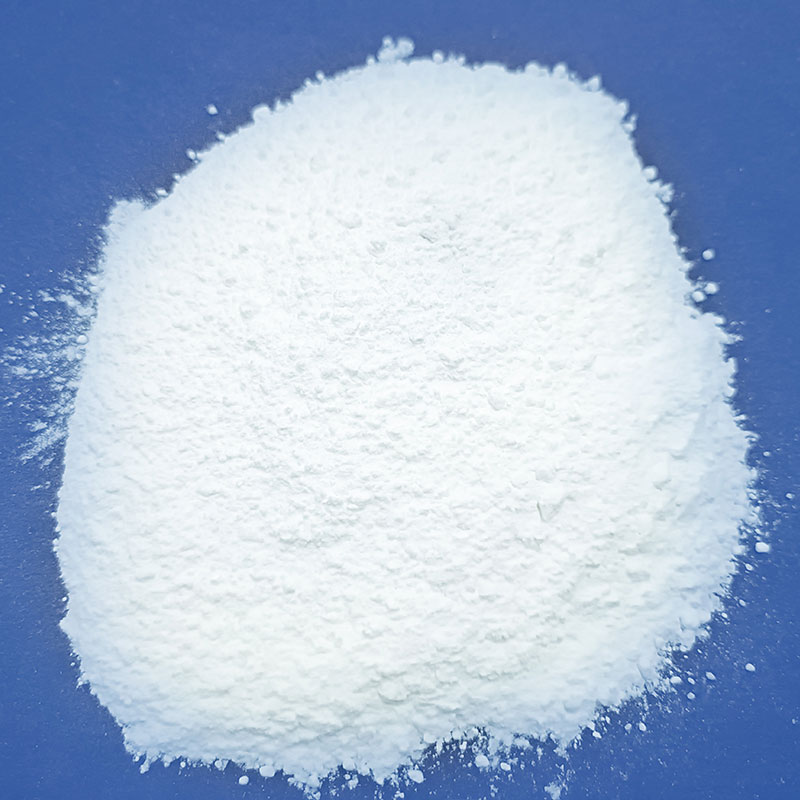




Can Better Wax Quality Reduce Formula Adjustment Time?
For powder coating factories, production speed is not only decided by extruder capacity or operator experience. A small additive can also change how smoothly the formula runs. When wax quality is unstable, technical teams may spend extra time adjusting feeding, extrusion temperature, flow behavior, surface finish, gloss, scratch resistance, and final film appearance.
This is why many coating manufacturers care about the quality of polyethylene wax powder. A stable wax additive can help the formula behave more predictably, so the production team does not need to keep changing process settings every time a new batch arrives. For factories handling repeat orders, export batches, color series, or outdoor coating projects, less adjustment time can directly improve production rhythm.
Table of Contents
Formula Adjustment Slows Down Real Production
In powder coating production, formula adjustment is not a small laboratory step. It can affect mixing, extrusion, cooling, crushing, sieving, spraying, curing, and final inspection. If the wax additive changes from one batch to another, the formula may need extra checking before the factory can continue normal production.
Some problems may appear quickly, such as poor powder flow or uneven dispersion. Others may appear after spraying and curing, such as weak scratch resistance, surface marks, poor smoothness, or inconsistent gloss. When this happens, the technical team must stop and test again. The coating line may need another trial run, and the purchasing team may need to check whether the issue comes from raw material variation.
Better wax quality helps reduce this kind of uncertainty. It does not magically make every machine faster, but it can reduce the time wasted on repeated corrections.
Stable Wax Behavior Helps The Formula Run More Predictably
Wax Additives are used in powder coatings to improve surface feel, scratch protection, abrasion resistance, flow behavior, and processing performance. But these benefits depend on stable quality. If melting behavior, particle form, or dispersion changes too much, the formula can react differently during extrusion and curing.
For buyers using Polyethylene Wax Powder, consistency matters because the wax must work together with Resin, curing agent, pigment, filler, and other additives. A stable wax grade helps the formula keep the same processing window, which is important for repeat production.
When wax behavior is predictable, factories can reduce:
Extra lab testing before production
Repeated trial extrusion
Formula correction after surface defects
Operator adjustment during production
Rework caused by poor surface performance
Customer complaints after delivery
This is where wax quality connects with production speed. The coating factory spends less time finding the right condition and more time producing usable powder.
Poor Wax Quality Can Create Hidden Time Loss
Low-cost wax may look acceptable in the first quotation, but the real cost appears when production becomes unstable. If the wax disperses poorly, the coating may show uneven surface effects. If the melting behavior is not stable, the extrusion process may need adjustment. If the surface protection is weak, the final film may fail internal testing.
For coating factories, this creates hidden time loss. Workers may need to run another batch. The technical team may need to check the formula again. Finished powder may need to be held before shipment. In some cases, the factory may need to remake the order.
The problem is not only material waste. It is also production schedule disruption. When a factory has urgent orders waiting, every extra test and every repeated adjustment affects delivery.
| Quality Issue | Production Impact |
|---|---|
| Poor dispersion | More testing and possible surface defects |
| Unstable melting behavior | Extra extrusion adjustment |
| Weak surface protection | Higher risk of scratch complaints |
| Inconsistent batch quality | More formula checking before use |
| Poor powder flow support | Slower handling and less stable processing |
A better wax additive helps keep these risks under control before they become after-sales problems.
Surface Quality Is Also A Production Efficiency Issue
Many buyers see surface quality as a final performance point. In reality, it also affects production speed. If the surface is not smooth enough, if scratch resistance is weak, or if abrasion performance does not meet the customer’s expectation, the batch may need to be adjusted or repeated.
Micronized wax can support smoother coating films, better abrasion resistance, improved powder flow, scratch protection, and good dispersibility. These properties are useful because they reduce the chance of repeated correction during production. A factory that can get an acceptable surface result earlier will naturally save more time.
For industrial coating manufacturers, stable surface quality also helps protect repeat orders. Customers do not want every new delivery to look slightly different. They want the coating to perform consistently across batches, colors, and application conditions.
Buyers Should Compare Wax By Processing Value
When sourcing Polyethylene Wax Powder, comparing only the unit price can be misleading. A cheaper wax may increase technical work, adjustment time, and rejected powder. A more stable wax can help the factory save time during production, especially when orders are repeated regularly.
Before confirming bulk purchasing, buyers should review how the wax performs in their own formula. Key points include dispersion, melting point stability, powder flow support, surface smoothness, scratch resistance, and batch consistency. For coating plants, the best wax is not always the cheapest one. It is the one that helps the production team run the formula with fewer surprises.
Conclusion
Better wax quality can reduce formula adjustment time because it makes the production process easier to predict. When dispersion, melting behavior, surface smoothness, scratch resistance, and batch consistency remain stable, technicians spend less time correcting the formula and more time keeping production moving.
For coating factories, Polyethylene Wax Powder may only take a small share of the formula, but it can affect the rhythm of the whole batch. When a factory keeps adjusting surface finish, powder flow, or scratch performance, the wax additive is worth checking before changing the entire formulation.
A steady production line usually comes from many small details working properly. If your current wax grade is making each batch behave differently, we can review the application direction with you and suggest a more suitable additive option for smoother production testing and regular bulk use.