



What Compatibility Problems Happen When Mixing Silicone And Resin In Coating Formulas?
In coating development, compatibility problems often appear after the first promising lab trial. The formula may look smooth at mixing stage, but after storage, spraying, curing, or customer testing, the surface starts to show separation, craters, poor leveling, weak gloss, or unstable adhesion. For coating manufacturers, this is not only a technical issue. It can delay sample approval, waste raw materials, and damage customer confidence.
When buyers work with silicone and Resin systems, the key is not simply adding a silicone material into an existing formula. The Silicone Resin must match the base resin system, curing condition, pigment package, filler level, and final coating requirement.
Table of Contents
- Compatibility Should Be Tested Before Formula Scale-Up
- Common Surface Defects From Poor Compatibility
- Resin System Matching Is More Important Than Price
- Pigments And Fillers Can Change The Result
- How Buyers Can Reduce Compatibility Failure
- When Silicone Resin Works Well In The Formula
- Before Your Next Silicone Resin Trial
Compatibility Should Be Tested Before Formula Scale-Up
A Clear Lab Sample Does Not Always Mean Stable Production
A small lab batch may look acceptable because mixing time, temperature, and material quantity are easy to control. In real production, the same formula may face longer mixing, different shear force, larger material volume, and storage time before use.
This is where compatibility problems become more obvious. The coating may show floating, separation, poor dispersion, or uneven film formation after scale-up. Buyers should not approve a silicone resin only because one small test passed.
Storage Stability Reveals Hidden Formula Risk
Some formulas fail only after several days or weeks of storage. Viscosity may change, the mixture may separate, or surface defects may increase after application. This can be a serious problem for coating factories supplying distributors, applicators, or project customers.
Before mass production, buyers should test storage stability under the actual temperature and time expected in their supply chain.
Common Surface Defects From Poor Compatibility
Craters And Shrinkage
Craters and shrinkage often appear when surface tension is not well controlled. If the silicone component does not disperse properly in the resin system, small surface defects can appear after curing.
For powder coating factories, these defects are costly because they may not be visible until after spraying and baking. By then, the material, labor, and production time have already been used.
Poor Leveling And Uneven Gloss
A formula with weak compatibility may not flow evenly during curing. The surface can appear rough, uneven, cloudy, or inconsistent in gloss. This is especially risky for appliance coatings, metal furniture, outdoor equipment, lighting housings, and architectural metal parts where appearance is part of customer acceptance.
Coating buyers should test leveling, gloss retention, surface smoothness, and color stability before confirming a new resin direction.
Resin System Matching Is More Important Than Price
Different Base Resins React Differently
Polyester, epoxy, acrylic, and hybrid systems may respond differently when silicone resin is added. A resin that improves heat resistance in one system may create application problems in another if the formula is not adjusted.
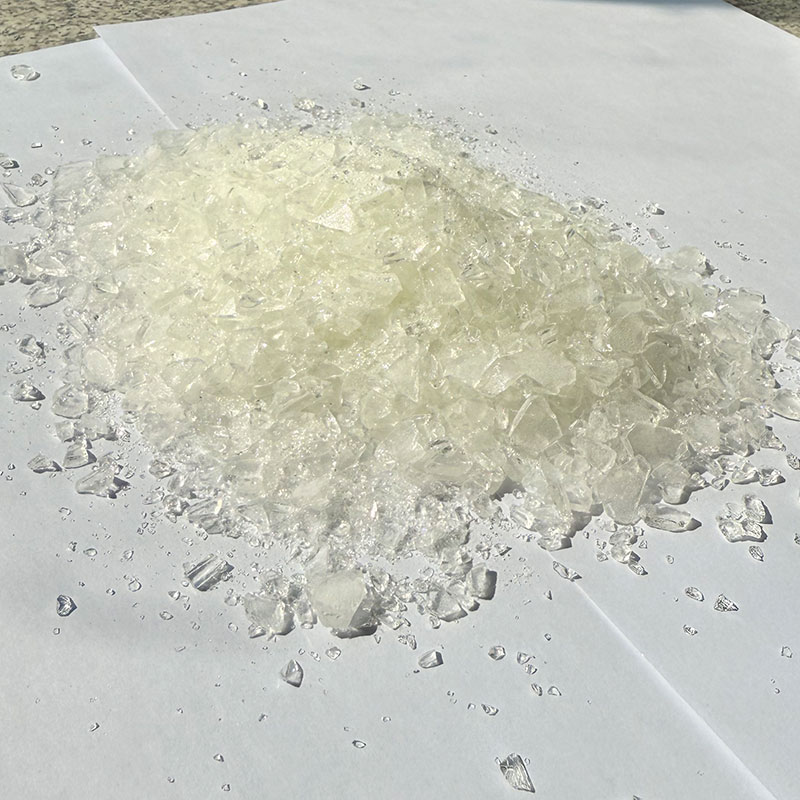
Our silicone resin is a methylphenyl organosilicon resin containing silanol groups, and it can be cold blended or copolymerized for heat-resistant coating applications. For coating manufacturers, this gives useful formulation direction, but the final result still depends on compatibility testing inside the buyer’s own formula.
Curing Conditions Must Be Checked Together
Compatibility is not only about mixing. Curing temperature, curing time, resin reactivity, filler content, and film thickness can all affect the final coating result.
If curing is incomplete or uneven, the coating may show poor hardness, weak adhesion, surface defects, or lower heat resistance. Buyers should test the full process, not only the raw material blend.
Pigments And Fillers Can Change The Result
Filler Level Can Affect Flow
A formula with high filler loading may behave differently after silicone resin is introduced. The coating may become harder to level, or dispersion may become less stable. For factories making functional powder coatings, this can affect both surface quality and mechanical performance.
Raw material buyers should test the silicone resin with the same pigment and filler package used in production. A clean resin test alone does not show the full formula risk.
Color And Transparency Should Be Reviewed
Some applications require stable color tone, gloss, or surface clarity. If the resin blend affects color development or creates haze, the final coating may fail customer approval even when heat resistance improves.
For B2B coating supply, the formula must meet both performance and appearance requirements.
How Buyers Can Reduce Compatibility Failure
Prepare A Test Matrix Before Ordering
Before moving into bulk purchase, coating manufacturers should prepare a simple test plan:
Base resin system
Silicone resin addition level
Pigment and filler package
Mixing condition
Storage time
Application method
Curing temperature
Final surface inspection
Heat resistance requirement
Adhesion and hardness testing
This helps the purchasing team compare suppliers by real formula behavior, not by quotation alone.
Keep One Approved Formula Reference
Once the formula passes testing, buyers should keep an approved sample and production record. This includes resin grade, batch number, addition level, curing condition, and final test result.
For repeat orders, this record helps prevent disputes when a later batch performs differently. It also helps technical teams adjust faster if raw material conditions change.
When Silicone Resin Works Well In The Formula
Better Heat Resistance
Silicone resin is often selected when coating manufacturers need better heat resistance than ordinary organic resin systems can provide. In suitable formulas, it can support heat-resistant and weather-resistant powder coating applications.
For factories supplying industrial coating, appliance coating, outdoor metal coating, or high-temperature component coating, this direction can create stronger product value.
More Stable Outdoor Performance
Weather resistance is another reason coating buyers review silicone resin options. Outdoor coatings must face UV exposure, rain, temperature change, and surface aging. A compatible silicone resin direction can help manufacturers develop coating systems for harsher service environments.
The key word is compatible. Performance improvement only becomes useful when the coating still levels well, cures properly, and passes customer testing.
Before Your Next Silicone Resin Trial
Compatibility problems between silicone and resin systems can lead to separation, craters, poor leveling, unstable gloss, weak adhesion, and failed customer samples. These issues are easier to prevent during formula testing than to fix after production.
If your coating factory needs silicone resin for heat-resistant coatings, weather-resistant powder coatings, or industrial formulation development, come to us to review the material direction before bulk ordering. Send the base resin system, target curing condition, required heat resistance, pigment and filler package, current defect problem, and expected production volume. Our team can help match silicone resin options with your coating formula so the trial is more practical, the surface result is more stable, and scale-up risk is easier to control.