




What Is Polyester Resin Used For?
Polyester Resin is widely used in coating systems because it offers a practical balance of film hardness, appearance control, weather resistance, and formulation flexibility. In industrial and architectural finishing, polyester resin is often selected when the coating must look smooth and uniform, withstand daily abrasion, and maintain color and gloss after long-term exposure. It is also valued for how efficiently it can be tuned through resin design, allowing formulators to match different curing conditions, performance targets, and end-use environments without rebuilding the entire coating structure.
At PCOECT, we focus on Polyester Resins for powder coating and related thermal-curing applications, where consistent flow, stable mechanical strength, and durable outdoor performance are key buying criteria. By controlling acid value, melt viscosity, and glass transition temperature, we help customers optimize leveling, flexibility, and curing behavior in a way that fits real production lines.
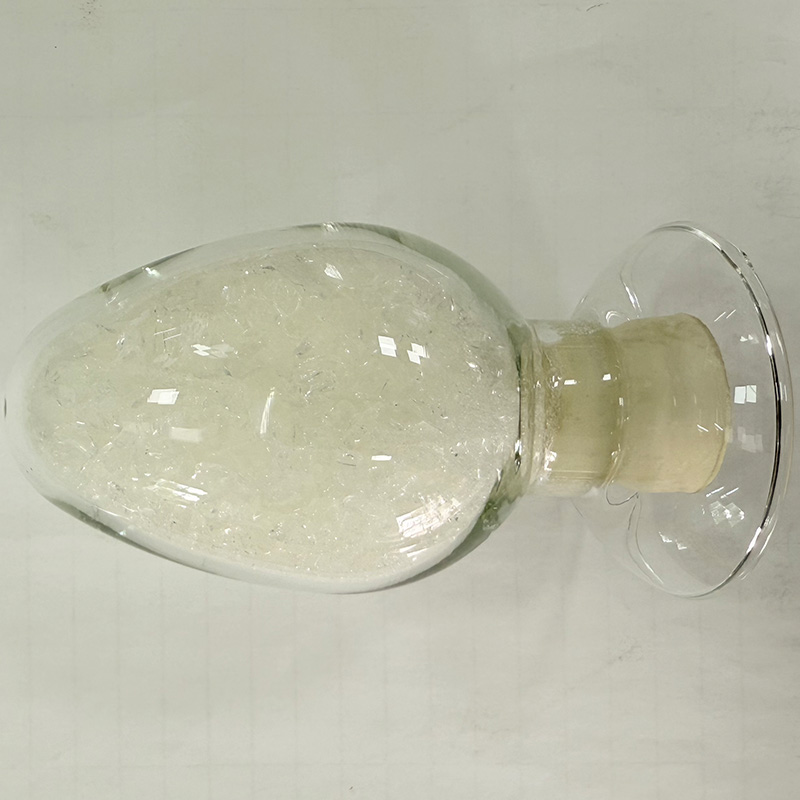
Table of Contents
- Why polyester resin is used so often in coatings
- What polyester resin is used for in real applications
- How polyester resin performance is tuned for different needs
- Polyester resin examples from PCOECT and what each type is best at
- What buyers should check before choosing a polyester resin
- Why polyester resin remains a mainstay material in modern coating systems
- Summary
Why polyester resin is used so often in coatings
Polyester resin is used because it can deliver a stable coating film while staying workable in manufacturing. A well-designed polyester resin provides hardness and impact resistance for protection, while still supporting flow and leveling so the finished surface looks clean rather than textured or orange-peeled.
Common reasons buyers choose polyester resin include:
Strong mechanical performance that helps coatings resist scratching, wear, and impact in handling, transport, and long-term service
Good weather resistance potential, especially in outdoor powder coating systems, where color and gloss stability are critical
Excellent leveling that supports smooth, high-gloss surfaces and consistent decorative appearance across large batches
Practical chemical resistance against common exposures such as mild acids, alkalis, and solvents, helping protect both the coating and the substrate
Broad formulation adaptability, allowing resins to be selected or adjusted for different curing schedules and performance goals
What polyester resin is used for in real applications
Polyester resin is a base material for coating films that must combine appearance and protection. In many industrial supply chains, it is used because it supports both performance testing requirements and production efficiency.
1. Powder coating finishes for metal parts
Polyester resin is widely used in powder coating to create durable finishes on metal components. The resin helps the coating form a continuous film during curing and supports stable mechanical properties after cure. In manufacturing, consistent flow helps reduce surface defects and improves the acceptance rate for appearance-sensitive products.
Typical coated items include:
Metal enclosures and housings
Frames, brackets, and structural parts
Consumer metal goods where surface quality matters
2. Outdoor architectural and infrastructure coatings
Polyester resin is frequently used when outdoor durability is required. The resin structure can be designed for weather resistance, helping coatings maintain appearance under sunlight, temperature cycles, and moisture exposure. For systems where gloss retention and color stability are important, polyester resin is a core choice in the formulation toolkit.
Typical coated items include:
Outdoor metal fixtures
Building metal components and trim
Exterior structures requiring decorative protection
3. Decorative coatings that demand smooth leveling
Polyester resin is used in finishes where surface smoothness is a visible quality marker. Good leveling supports high-gloss and uniform film formation, while stable rheology helps reduce pinholes, craters, and uneven texture. This is especially important for powder coatings that must look premium without adding complicated process steps.
4. Industrial protective coatings for equipment surfaces
Polyester resin is used in industrial protective coatings where the film must remain intact under heat, handling stress, and general chemical exposure. The resin can support crosslinking structures that improve coating integrity and reduce the risk of premature film breakdown during service.
How polyester resin performance is tuned for different needs
Polyester resin is not a one-size material. It is selected and designed by controlling core parameters that directly affect coating behavior in production and in service.
Key design levers include:
Acid value
Acid value influences reactivity and curing behavior in many powder coating systems. Adjusting acid value helps control crosslink density, which impacts hardness, flexibility, and chemical resistance. In practice, it also affects how the resin interacts with Curing Agents and how forgiving the system is to process variation.
Melt viscosity at processing temperature
Melt viscosity affects flow and leveling. A resin that is too viscous may limit leveling, while a resin that is too low in viscosity can create over-flow, edge pull, or film control issues depending on formulation and application thickness. Choosing the right viscosity range supports stable appearance and production repeatability.
Glass transition temperature
Glass transition temperature influences storage stability, handling, and final film properties. Tg also affects how the coating behaves during early heating and melt flow, which links directly to leveling and surface smoothness.
Curing condition and production fit
A resin must match the curing profile of the production line. When a resin cures reliably at a practical condition, it improves throughput and reduces rework risk. Selecting resins aligned with common curing schedules helps maintain consistent quality across shifts and batches.
Polyester resin examples from PCOECT and what each type is best at
Below is a practical reference showing how different polyester resin grades can target different outcomes. These reference values illustrate how acid value, viscosity, and Tg relate to typical coating priorities such as leveling, mechanical strength, and flexibility.
PCOECT polyester resin reference overview
| Model | Acid Value (mgKOH/g) | Viscosity(mPa.s @200°C) | Tg (°C) | Curing Condition (°C/min) | Performance Characteristics |
|---|---|---|---|---|---|
| PCT5050 | 68 to 75 | 2500 to 3500 | 58 | 180 for 15 | Excellent leveling with strong mechanical strength and flexibility |
| PCT6040 | 48 to 55 | 3500 to 4500 | 56 | 180 for 15 | Universal resin for broad formulation compatibility |
| PCT7031 | 28 to 34 | 3000 to 5000 | 55 | 180 for 15 | Good leveling with balanced mechanical properties |
How to use this table in selection:
If the project prioritizes appearance and smoothness while still needing flexibility, choose the grade positioned for leveling plus mechanical balance.
If the project needs a broadly compatible base for multiple product lines, choose the universal direction grade and adjust the formulation around it.
If the project needs stable mechanical properties with reliable leveling across common production conditions, choose the balanced mechanical option and validate the film build range.
What buyers should check before choosing a polyester resin
Polyester resin selection is most reliable when the buyer matches resin behavior to the real production and service conditions.
Key checks include:
End-use exposure level, such as indoor versus outdoor, and whether long-term appearance retention is critical
Target finish, such as high gloss, smooth matte, or textured appearance, because leveling and viscosity targets shift
Required mechanical performance, such as scratch resistance, impact resistance, and flexibility at edges
Chemical exposure expectations, such as cleaning agents, mild acids, alkalis, and solvent contact
Line curing capability, including temperature window, dwell time, and part mass variation
Why polyester resin remains a mainstay material in modern coating systems
Polyester resin continues to be widely used because it is both performance-capable and controllable. It supports protective durability, smooth decorative appearance, and practical manufacturing efficiency. As market requirements move toward better long-term appearance retention and stable production consistency, resin design flexibility becomes even more valuable. This is where polyester resin stands out, because the same material family can be tuned across a wide range of needs through measurable parameters such as acid value, melt viscosity, and Tg.
At PCOECT, our polyester resin development focuses on helping customers reach predictable coating outcomes, including stable leveling, reliable mechanical strength, and formulation adaptability that fits common curing schedules. When resin selection is made with these factors aligned, polyester resin becomes not just a raw material, but a direct contributor to coating quality and production yield.
Summary
Polyester resin is used to build coating films that need both protection and appearance. It is commonly used in powder coatings for metal parts, outdoor architectural finishes, decorative smooth coatings, and industrial protective systems. Its main value is that it can be designed and selected to match curing conditions and performance priorities while keeping production stable and repeatable.