




What Is Sensitizer Polishing Agent?
A sensitizer polishing agent is a functional additive used in powder coating formulations to improve how the coating melts, wets, and spreads during curing. In production, it is mainly selected to reduce surface defects, enhance gloss, and support smoother leveling so the final coating film looks cleaner and performs more consistently.
In practical application, it supports controlled behavior during the short time window when the powder melts and flows. This stage is where many visible problems originate, including shrinkage marks, micro-pores, uneven texture, and unstable gloss. A well-selected sensitizer polishing agent helps the coating form a more uniform surface, improving appearance stability and long-term film performance.
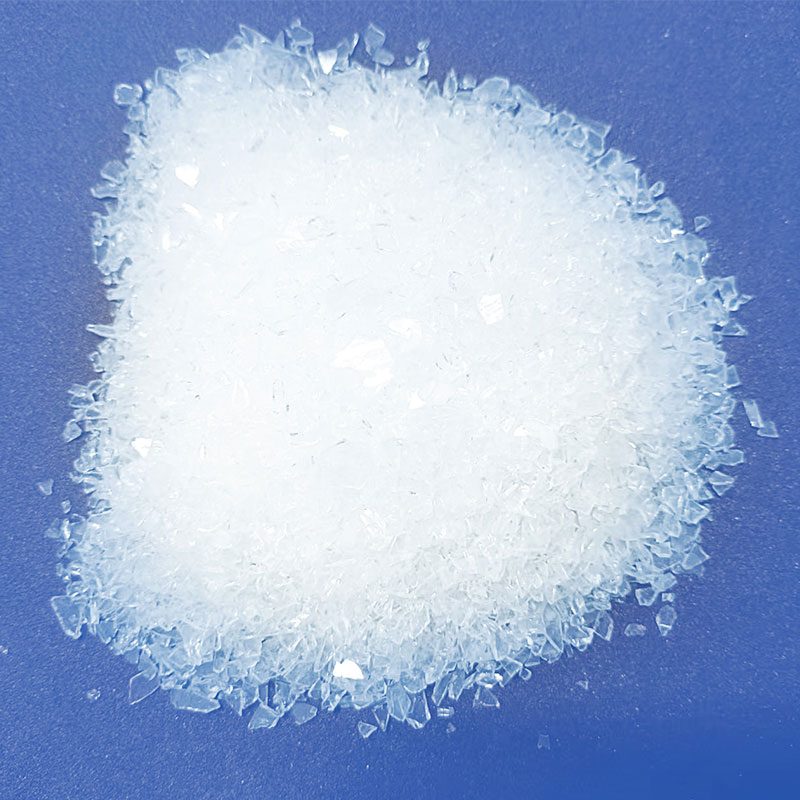
Table of Contents
- Technical indicators for PCOTEC Sensitizer Polishing Agent
- What problems does a sensitizer polishing agent address?
- How it works in powder coating systems
- Benefits relevant to coating manufacturers and end users
- Typical application areas
- Guidelines for formulation and production use
- Practical selection considerations
- Why PCOTEC supports dependable powder coating additives
- Storage and handling recommendations
- FAQ
- Conclusion
Technical indicators for PCOTEC Sensitizer Polishing Agent
This product is supplied as a high-purity powder designed for powder coating systems that require stable melt behavior and reliable surface quality improvement.
| Item | Specification |
|---|---|
| Appearance | White Powder |
| Content | ≥99.0% |
| Volatile matter | ≤1% |
| Global softening point | 105 to 130℃ |
What problems does a sensitizer polishing agent address?
Powder coating performance is influenced not only by Resin and curing chemistry. Even with a well-designed base formulation, surface defects can appear due to incomplete wetting, unstable flow, or insufficient micro-leveling. A sensitizer polishing agent is typically introduced when higher standards for appearance and consistency are required.
Common issues it helps control include:
Shrinkage marks visible after curing
These appear when the molten film pulls back locally or fails to wet the substrate evenly.Micro-pores and pinhole-like defects
These form when the film does not level smoothly or when trapped air and minor volatiles are not released evenly.Gloss inconsistency
Uneven surface microstructure affects light reflection, leading to visible gloss variation.Leveling limitations on complex parts
Edges, corners, and areas with varying thickness highlight flow and leveling challenges more clearly than flat panels.
By improving wetting behavior and stabilizing flow during curing, the sensitizer polishing agent helps the coating surface settle into a more uniform state.
How it works in powder coating systems
A sensitizer polishing agent functions through surface and interface control during melt flow. When the powder melts, the resin phase must wet pigments, Fillers, and other polar Additives evenly. If wetting is incomplete, surface defects and appearance variation can occur even when coating thickness is within specification.
This product is described as having a good wetting effect on polar additives in powder coatings and coated materials. During production and application, it can eliminate shrinkage, increase gloss, and promote leveling. Its role also includes improving pollution resistance and preventing the formation of shrinkage pores in the coating film.
From a formulation perspective, the additive supports:
Faster and more complete wetting of formulation components
Stable melt flow behavior across the coating film
Improved micro-leveling before gelation fixes the surface structure
Reduced formation of shrinkage pores that affect appearance and durability
Benefits relevant to coating manufacturers and end users
More consistent gloss and cleaner surface appearance
Gloss depends strongly on surface smoothness. Improved leveling and reduced shrinkage defects allow light to reflect more evenly, supporting consistent appearance across batches and part geometries.
Reduced visible defects and lower rework rates
Controlling shrinkage marks and micro-pores helps reduce inspection failures and rework, which is particularly important for coatings with strict appearance requirements.
Improved surface stability against contamination
The product is positioned to enhance the pollution resistance of powder coatings. A more uniform surface structure reduces areas where dirt and contaminants can accumulate, helping coated parts stay cleaner during service.
Greater tolerance in curing conditions
Variations in part temperature, oven airflow, and substrate thickness influence flow and leveling. An additive that stabilizes wetting behavior increases tolerance to these variations and improves production consistency.
Typical application areas
This sensitizer polishing agent is suitable for a wide range of powder coating systems. It is most relevant when both surface quality and stable performance are required.
Common application scenarios include:
Powder coatings for outdoor metal components requiring consistent appearance
Formulations prone to shrinkage pores due to pigment or filler composition
Coatings applied to complex geometries where leveling control is challenging
Projects with strict gloss and surface uniformity requirements
Systems where surface cleanliness and resistance to contamination are priorities
Final compatibility and performance should always be confirmed through laboratory and production-scale trials under actual extrusion and curing conditions.
Guidelines for formulation and production use
Effective use depends on treating the sensitizer polishing agent as a targeted performance additive rather than a generic ingredient.
A practical evaluation approach includes:
Defining the surface defect to be improved
Shrinkage marks, micro-pores, gloss variation, or leveling issues should be clearly identified with acceptance criteria.Running controlled comparative trials
Baseline and adjusted formulations should be tested under identical extrusion, grinding, and curing conditions.Observing melt and leveling behavior during curing
Many surface issues originate before gelation, so early-stage film behavior is critical.Checking performance across different film thicknesses
Consistent appearance should be confirmed at both minimum and maximum coating builds.Validating results on real parts
Flat test panels are useful, but production parts reveal performance on edges, corners, and mixed thermal mass areas.
Practical selection considerations
When selecting a sensitizer polishing agent, buyers typically evaluate more than basic specifications.
Key points include:
Purity and stability
High content and low volatile matter support consistent performance and reduce defect risk.Softening behavior aligned with the curing process
A suitable softening range supports predictable melt flow and leveling.Demonstrated improvement for the target defect
Performance should be verified against the specific surface issue being addressed.Compatibility with the full formulation
Pigments, fillers, matting agents, and other additives influence wetting and leveling behavior.Technical support during evaluation
Surface defects often result from multiple factors, and application guidance can shorten development cycles.
Why PCOTEC supports dependable powder coating additives
For coating manufacturers, additive performance must remain consistent across batches and production conditions. PCOTEC focuses on delivering powder coating additives with clear specifications and application-oriented support.
Key strengths include:
Clearly defined technical indicators
Specifications such as content, volatile matter, and softening point support formulation control and repeatability.Stable supply approach
Consistent availability and batch control help customers maintain uninterrupted production.Application-focused technical support
PCOTEC supports evaluation based on defect type, resin system, extrusion behavior, and curing window, helping customers reach stable results efficiently.Alignment with real production processes
Solutions are developed to function reliably across mixing, extrusion, grinding, spraying, and oven curing stages.
Storage and handling recommendations
Proper storage supports consistent additive performance.
Store in a cool, dry indoor environment
Protect from direct sunlight and moisture
Keep packaging sealed to prevent contamination
Apply good inventory rotation practices
Facilities with high humidity or significant temperature variation benefit from stricter storage control.
FAQ
Is a sensitizer polishing agent a curing agent?
No. A curing agent controls chemical crosslinking, while a sensitizer polishing agent improves wetting, leveling, gloss, and surface defect control during melt flow.
Does it affect matte or textured finishes?
Its primary function is surface formation and shrinkage control. Impact on specific finish styles depends on the overall formulation and curing conditions, so evaluation testing is recommended.
Is it effective for complex part geometries?
Yes. Parts with edges, corners, and uneven thermal mass often show shrinkage-related defects, and stabilizing wetting and leveling helps improve surface quality in these areas.
How is pollution resistance evaluated?
Comparative exposure and cleaning tests under controlled conditions are commonly used to verify improvements in surface cleanliness and resistance.
Conclusion
A sensitizer polishing agent is used in powder coatings to improve wetting of polar additives, promote leveling, increase gloss, and reduce shrinkage-related defects such as pores and surface marks. For manufacturers seeking cleaner appearance, stable gloss, and consistent surface quality across production, it is a practical tool for strengthening film formation during curing.
PCOTEC supplies a high-purity sensitizer polishing agent with defined technical indicators and application-focused support, helping powder coating producers enhance surface quality while maintaining stable and efficient production.
Previous: What Is A Leveling Agent?