




What Is A Leveling Agent?
A leveling agent is a functional additive used in powder coating systems to control surface tension during melting and curing, allowing the coating film to spread evenly and form a smooth, uniform surface. Its primary role is to improve flow and leveling behavior so that common surface defects such as orange peel, shrinkage cavities, and uneven texture are reduced or eliminated.
In powder coating production, leveling occurs in a very short time window after the powder melts and before the film gels. During this stage, surface tension differences, poor wetting, or uneven dispersion can lock defects into the coating. A leveling agent helps the molten coating redistribute more evenly, resulting in a flatter surface and more stable visual quality.
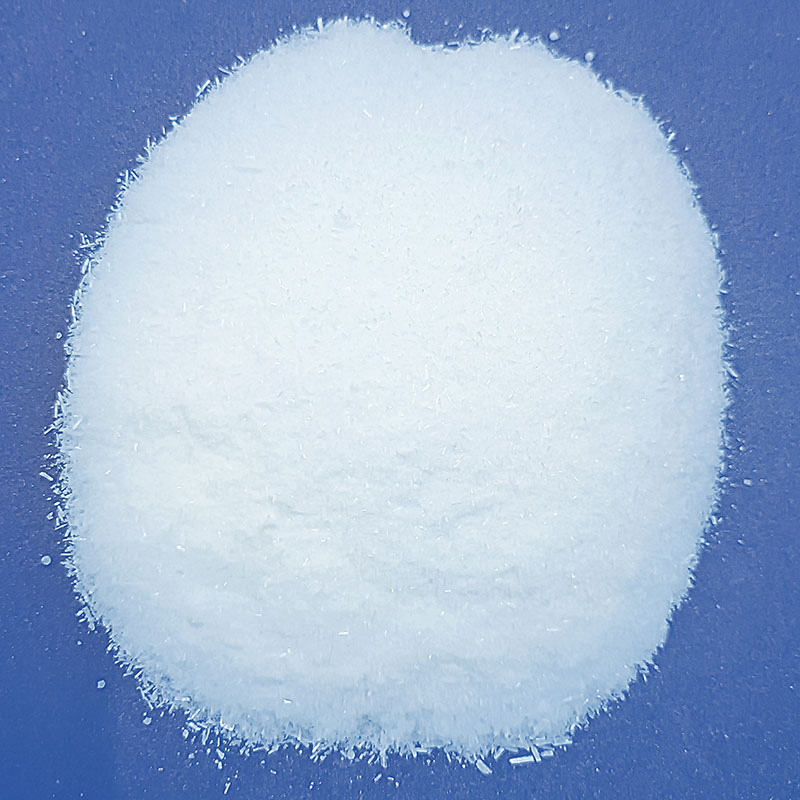
Table of Contents
- Technical indicators of PCOTEC Leveling Agent
- What problems does a leveling agent address?
- How a leveling agent works in powder coating systems
- Benefits for coating manufacturers and finished products
- Application scope of leveling agents
- Recommended dosage and formulation guidance
- Selection considerations for buyers
- Why PCOTEC is a reliable supplier of leveling agents
- Storage and handling recommendations
- FAQ
- Conclusion
Technical indicators of PCOTEC Leveling Agent
PCOTEC leveling agents are supplied as high-solid-content powder Additives designed for consistent dispersion and stable performance across different powder coating systems.
| Item | Specification |
|---|---|
| External view | White flowing powder |
| Active ingredients | At least 65 percent |
| Solid content | At least 97.5 percent |
| Flash point | Above 100 degrees Celsius |
| pH | 7 |
These indicators support reliable processing. High solid content contributes to stable film formation, while a neutral pH and high flash point support safe handling and compatibility with common powder coating formulations.
What problems does a leveling agent address?
Even with high-quality Resins and Curing Agents, surface appearance issues can still occur if flow and surface tension are not properly controlled. A leveling agent is introduced to manage these risks and stabilize surface formation.
Typical problems addressed include:
Orange peel texture
Uneven flow during melting can cause a wavy surface that scatters light irregularly, reducing perceived quality.Shrinkage cavities and surface pits
Localized surface tension differences can pull the molten film apart, leaving visible cavities after curing.Inconsistent gloss
Variations in surface smoothness change how light reflects across the coating, leading to visible gloss differences.Poor surface uniformity on complex shapes
Edges, corners, and recessed areas are more sensitive to flow imbalance and often show defects first.
By adjusting surface tension and promoting uniform melt flow, a leveling agent helps the coating settle into a smooth and continuous film.
How a leveling agent works in powder coating systems
A leveling agent functions mainly by modifying surface tension and interfacial behavior during the molten stage of the coating. When the powder melts, the resin must flow evenly and wet pigments, Fillers, and the substrate surface at the same time.
According to its application performance description, this product adjusts the surface tension of the coating, homogenizes the molten film, and promotes leveling. It can reduce orange peel and eliminate shrinkage cavities. The active ingredient is an acrylate polymer, processed to disperse easily within the powder coating matrix.
Key functional contributions include:
Balancing surface tension across the molten film
Supporting uniform wetting and spreading
Enhancing flow before gelation fixes the surface
Reducing localized defects caused by uneven melt behavior
Because the product contains no silicone components, it avoids surface contamination risks and does not interfere with recoating adhesion.
Benefits for coating manufacturers and finished products
Improved surface smoothness and visual consistency
A smoother coating surface improves overall appearance quality. Uniform leveling supports consistent gloss and texture across large panels and complex parts.
Lower defect rates and reduced rework
By reducing orange peel and shrinkage cavities, leveling agents help lower rejection rates during inspection and reduce the need for rework or refinishing.
Better process stability
Variations in oven temperature, airflow, or part geometry can affect flow behavior. A leveling agent increases tolerance to these variations and supports more stable production output.
Clean surface behavior without contamination risk
Silicone-free composition avoids common issues such as fisheyes, poor intercoat adhesion, or surface contamination, making it suitable for multi-coat systems.
Application scope of leveling agents
This leveling agent is suitable for all powder coating systems, including different resin chemistries and finish types. It is commonly evaluated in applications where surface appearance is a key quality indicator.
Typical use cases include:
Architectural and decorative powder coatings
Outdoor metal components requiring smooth visual finish
Industrial parts with large flat areas or complex geometry
Systems sensitive to orange peel or shrinkage cavities
Coatings requiring reliable recoating adhesion
Compatibility should always be confirmed through formulation trials under actual extrusion, spraying, and curing conditions.
Recommended dosage and formulation guidance
The typical dosage range for this leveling agent is 0.6 to 0.8 percent of the total powder formulation. The exact addition level should be determined through experimental evaluation, as optimal dosage depends on resin type, pigment loading, extrusion conditions, and target surface quality.
Best practice for evaluation includes:
Starting with a mid-range dosage and adjusting incrementally
Comparing surface appearance under identical curing conditions
Monitoring both visual quality and film integrity
Confirming that gloss and texture targets are met consistently
Because the product contains a wetting accelerator and disperses easily, it integrates well into standard powder coating manufacturing processes.
Selection considerations for buyers
When selecting a leveling agent, buyers usually evaluate more than basic specifications. Key considerations include:
Active ingredient composition and dispersion behavior
Compatibility with the target powder coating system
Impact on surface appearance without negative side effects
Absence of silicone to protect recoating performance
Supplier capability to support technical evaluation
A leveling agent should address the specific surface defect being targeted while maintaining overall coating balance.
Why PCOTEC is a reliable supplier of leveling agents
PCOTEC focuses on providing functional powder coating additives with clear specifications and application-oriented support. Leveling agents supplied by PCOTEC are designed to perform reliably in real production environments.
Key strengths include:
Clear technical indicators that support formulation control
High solid content and stable dispersion behavior
Silicone-free design that protects coating integrity
Support for evaluation based on real coating challenges
PCOTEC works with customers to match additive performance to coating goals, helping improve surface quality while maintaining production efficiency.
Storage and handling recommendations
To maintain stable performance, proper storage and handling are important.
Store in a cool, dry indoor environment
Avoid direct sunlight and moisture exposure
Keep packaging sealed to prevent contamination
Apply standard inventory rotation practices
Consistent storage conditions help maintain additive flowability and performance over time.
FAQ
Is a leveling agent the same as a curing agent?
No. A curing agent controls the chemical crosslinking reaction, while a leveling agent manages surface tension and flow during the molten stage of the coating.
Does a leveling agent affect adhesion between coating layers?
This product does not contain silicone components and does not affect recoating adhesion when used at appropriate dosage levels.
Can it be used in all powder coating systems?
Yes. It is suitable for all powder coating systems, though performance should always be verified through formulation testing.
How do I know if the dosage is correct?
Surface appearance, orange peel reduction, and absence of shrinkage cavities under production conditions are key indicators. Dosage adjustment through controlled trials is recommended.
Conclusion
A leveling agent is an essential additive in powder coating systems for controlling surface tension, improving flow, and promoting smooth, uniform film formation. It helps reduce orange peel, eliminate shrinkage cavities, and stabilize gloss and surface appearance across different parts and production conditions.
PCOTEC supplies a silicone-free, high-solid-content leveling agent with clear technical indicators and reliable dispersion behavior, supporting powder coating manufacturers who aim to achieve consistent surface quality and stable production performance.