




What Does An Indoor Physical Matting Agent Do?
An indoor physical matting agent is a functional coating additive designed to reduce gloss and control surface appearance through a purely physical mechanism. Instead of reacting chemically with the Resin system, it creates micro-scale surface texture and light-scattering structures in the cured film, producing a consistent matte or low-sheen finish. In indoor powder coatings and other indoor-focused coating systems, this approach is valued for predictable gloss control, stable film appearance, and process-friendly handling.
PCOTEC develops indoor matting solutions as part of our Additives range. If you want to compare available options and applications, you can review our coating additives portfolio.
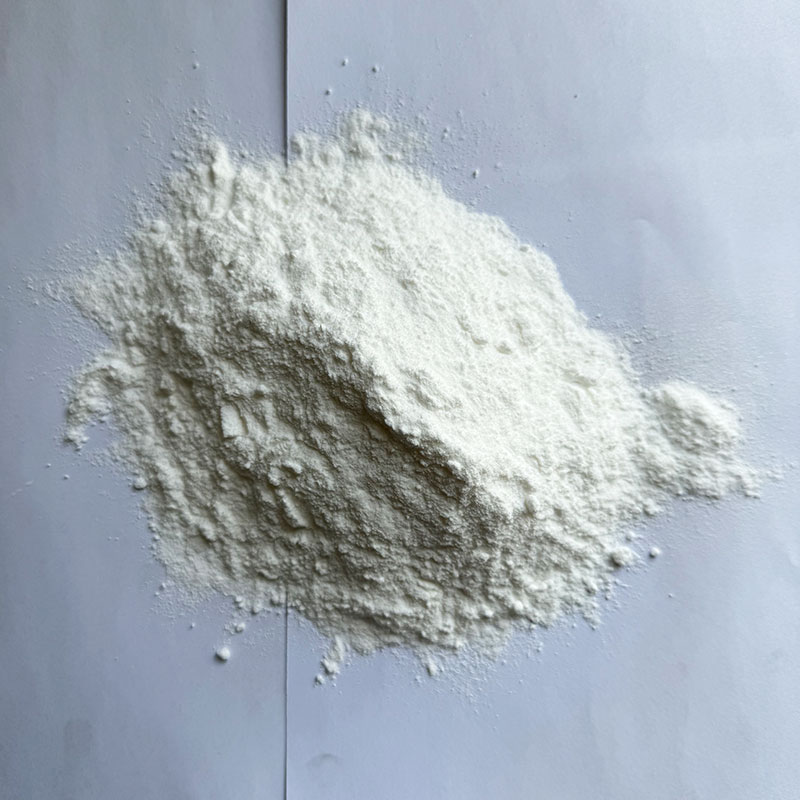
Table of Contents
- What Indoor Physical Matting Means In Coating Formulation
- What It Does In Real Indoor Coating Performance
- How A Physical Matting Agent Works During Curing
- Where Indoor Physical Matting Agents Are Typically Used
- Key Performance Indicators Buyers Should Verify
- Practical Selection Guide For Formulators And Sourcing Teams
- Reference Table For What A Physical Matting Agent Changes
- How PCOTEC Supports Indoor Matting Projects
- Conclusion
What Indoor Physical Matting Means In Coating Formulation
Matting can be achieved through chemical reactions or physical structure. An indoor physical matting agent works by changing how the coating film surface forms and how light reflects off that surface. When the cured film contains well-dispersed matting particles, the surface becomes less mirror-like and more diffuse. Light is scattered rather than reflected directly, so the coating appears matte.
Because the mechanism is physical, the matting agent does not typically consume reactive groups in the binder. This helps formulators maintain the base resin’s curing chemistry while tuning gloss as a separate performance lever. In production terms, it makes gloss adjustment more controllable without forcing a redesign of the curing package.
What It Does In Real Indoor Coating Performance
Indoor coatings often prioritize uniform appearance under stable environments, where gloss consistency is judged closely under showroom lighting, office lighting, and residential lighting. A physical matting agent supports this by delivering repeatable gloss reduction with lower sensitivity to minor cure variations.
In practical terms, an indoor physical matting agent helps with:
Gloss reduction without relying on a chemical matting reaction
More predictable gloss stability batch to batch when dispersion is consistent
Smoother process window for indoor powder coatings where appearance control is critical
Reduced risk of yellowing compared with some chemical matting routes in certain systems
Cleaner curing behavior in applications that aim for smoke-free curing characteristics
For many formulators, the value is not only the matte level itself, but the stability of that matte level across production conditions.
How A Physical Matting Agent Works During Curing
In a coating film, the final surface look is formed during melt flow, leveling, and cure. A physical matting agent influences the balance between flow and micro-roughness.
If the film levels too strongly and the surface becomes very smooth, gloss rises. If the film holds controlled micro-structure, gloss decreases. The role of the matting agent is to create that controlled micro-structure without destabilizing the coating or causing severe defects.
This is why particle design and dispersion quality matter. Poor dispersion can cause gloss inconsistency, mottling, or surface non-uniformity. A practical indoor physical matting agent is designed to disperse predictably and to maintain consistent film appearance across typical indoor coating conditions.
Where Indoor Physical Matting Agents Are Typically Used
Indoor physical matting agents are commonly selected for indoor powder coating applications where appearance consistency is a priority, such as furniture, shelving, interior fixtures, appliances, decorative panels, and general indoor metal components. The goal is often a controlled matte look that hides fingerprints, reduces glare, and gives surfaces a refined texture.
They can also be useful when a formulation needs gloss control without altering the main curing chemistry. In these scenarios, the physical approach allows formulators to tune gloss while keeping other performance parameters stable.
Key Performance Indicators Buyers Should Verify
Purchasing teams usually evaluate an indoor physical matting agent by how reliably it delivers the target gloss and how predictable it is in production.
A professional evaluation typically checks:
Appearance and handling form, such as powder flow and consistency
Bulk density stability, which affects dosing accuracy and feeding behavior
Gloss reduction range and repeatability at the target film thickness
Sensitivity to cure schedule changes and line variations
Influence on film appearance consistency and process stability
For example, some indoor physical matting grades are supplied as light yellow powder, and stable bulk density can be a useful indicator for consistent feeding and inventory control in production.
Practical Selection Guide For Formulators And Sourcing Teams
Selecting an indoor physical matting agent is not only about choosing matte versus satin. It is about matching the matting mechanism to the resin system and the process realities.
A sourcing decision becomes more reliable when you align these factors:
Resin and cure system compatibility
Even when the matting agent is non-reactive, the film formation behavior still depends on the binder system. Confirm compatibility in your actual formulation.Target gloss and visual texture expectations
Matte can mean different things across industries. Define whether the priority is low glare, fingerprint hiding, uniform texture, or a specific sheen target.Process window and line stability
Indoor coatings are often produced at scale. Choose a matting solution that remains stable across normal production variations rather than one that only performs in ideal lab conditions.Cost versus appearance consistency
A physically-based approach is often valued as an economical route for predictable gloss control in many indoor powder coating designs, especially when it reduces rework from gloss drift or appearance inconsistency.
When the project has strict appearance targets, a custom indoor physical matting agent strategy may be appropriate to match gloss level, texture feel, and process window without over-correcting the formula.
Reference Table For What A Physical Matting Agent Changes
| Coating Attribute | What The Matting Agent Influences | Why It Matters Indoors |
|---|---|---|
| Gloss level | Increases light scattering at the surface | Reduces glare under indoor lighting |
| Appearance consistency | Stabilizes surface look when dispersion is controlled | Helps meet visual inspection standards |
| Process stability | Reduces reliance on chemical matting reactions | More predictable production outcomes |
| Yellowing tendency | Often better controlled versus certain reactive routes | Maintains clean color tone in indoor finishes |
| Curing cleanliness | Supports smoke-free curing goals in some systems | Improves line experience and appearance stability |
This table is a practical way to communicate what a physical matting agent does without mixing it up with resin selection or pigment selection.
How PCOTEC Supports Indoor Matting Projects
PCOTEC supports coating manufacturers and project buyers with additive solutions that target real production problems, not only lab metrics. For indoor matting, the objective is stable gloss control, consistent film appearance, and predictable processing behavior. We provide technical guidance on selection, dosage direction, and evaluation approach so the matting result can be reproduced at scale.
To explore available product types and related additive functions, visit our PCOTEC additives page. If your application requires a durable indoor finish with controlled sheen, we can recommend options that fit your resin system and production conditions.
Conclusion
An indoor physical matting agent reduces gloss by creating controlled micro-structure and light scattering in the cured coating film, rather than by participating in a chemical matting reaction. This makes gloss control more predictable, supports consistent film appearance, and helps indoor coating producers achieve stable matte finishes with fewer surprises on the line. The most successful results come from matching the matting agent to the resin system and ensuring good dispersion and dosing control.
If you are working on an indoor powder coating or an interior finishing project and need practical guidance on selecting a matting solution, contact PCOTEC. Share your resin type, target gloss level, curing schedule, and appearance expectations, and our team will recommend suitable options and support your evaluation with clear technical direction.
Previous: