




What Is TGIC in Powder Coating?
In powder coating formulation, the curing system determines how the coating film finally performs after baking. Among the Curing Agents used in thermosetting powder coatings, TGIC is one of the most widely discussed materials, especially in outdoor polyester systems. It plays an important role in forming a durable powder coating network that provides weather resistance, mechanical strength, and long-term coating stability.
For coating manufacturers, understanding TGIC is not only about knowing a chemical name. It involves understanding how curing reactions work, how Resin and curing agent ratios influence film properties, and how Additives support a stable curing process. Companies such as PCOTEC supply a complete range of powder coating raw materials, including resins, curing agents, pigments, Fillers, and additives, allowing formulators to build a practical powder coating formulation from a full system perspective.
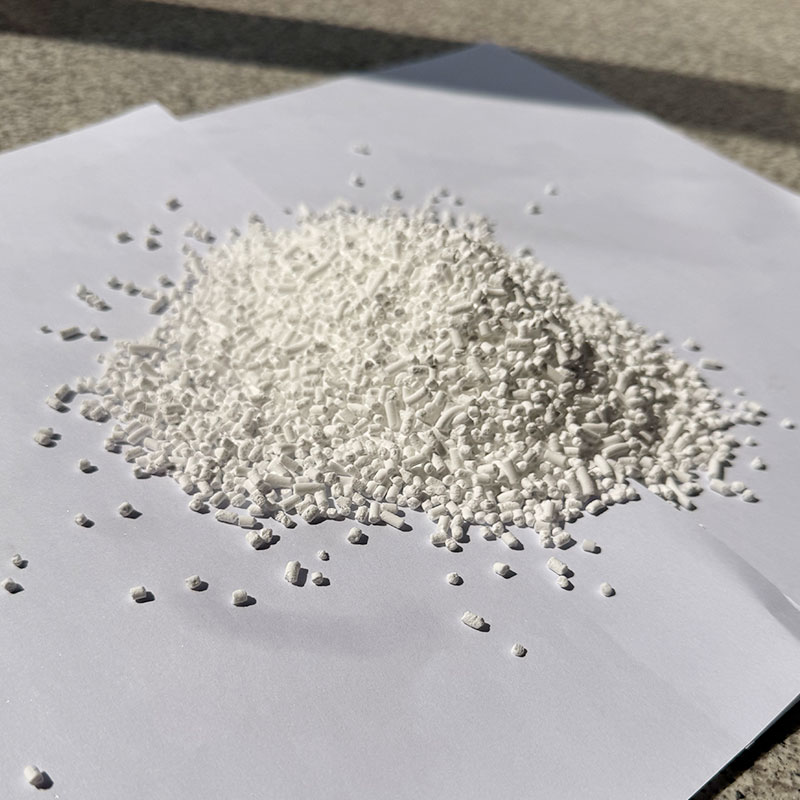
Table of Contents
Understanding TGIC Chemistry
TGIC stands for triglycidyl isocyanurate. It is a multifunctional epoxy compound commonly used as a curing agent in polyester powder coating systems. During the baking process, TGIC reacts with carboxyl-functional polyester resins to form a crosslinked thermosetting structure.
Once the powder coating melts in the curing oven, the resin begins to flow and spread across the substrate surface. At the same time, the reactive groups in TGIC start to interact with the acid groups in the polyester resin. As the curing reaction progresses, a three-dimensional polymer network is formed. This crosslinked structure is responsible for the hardness, adhesion, and environmental durability of the final coating film.
Because TGIC participates directly in the curing reaction, the amount used in a formulation must be calculated based on the acid value of the polyester resin. The curing balance between resin and TGIC determines the crosslink density of the coating, which in turn influences both mechanical performance and coating appearance.
Why TGIC Is Widely Used In Polyester Powder Coatings
TGIC has remained a common curing agent in polyester powder coatings for many years because it supports several performance advantages at the same time. Polyester systems cured with TGIC often achieve a strong balance between weather resistance, hardness, adhesion, and processing stability.
One of the main reasons TGIC systems are widely used in outdoor coatings is their resistance to ultraviolet exposure and temperature variation. When properly formulated, a TGIC-cured polyester coating can maintain color and gloss stability even after long-term outdoor exposure. This makes it suitable for architectural components, outdoor equipment, and metal structures exposed to sunlight and environmental stress.
Another advantage is mechanical durability. The crosslinked structure created by TGIC curing provides strong impact resistance and coating adhesion, helping the coating remain intact even under mechanical stress or temperature cycling.
How TGIC Influences Powder Coating Performance
The curing reaction between TGIC and polyester resin affects several aspects of coating performance. These properties are often evaluated during formulation development to ensure that the coating meets application requirements.
| Performance Factor | Influence Of TGIC Curing |
|---|---|
| Weather resistance | Stable outdoor durability and gloss retention |
| Adhesion | Strong bonding between coating film and metal substrate |
| Mechanical strength | Improved hardness and impact resistance |
| Thermal stability | Good performance under elevated temperatures |
| Film integrity | Dense crosslinked structure reduces coating degradation |
These properties explain why TGIC systems continue to be used in many industrial powder coating applications where long-term durability is required.
TGIC And Alternative Curing Systems
Although TGIC is widely used, it is not the only curing option available for polyester powder coatings. Another commonly used curing system is based on hydroxyalkylamide chemistry, often referred to as HAA systems. These curing agents are sometimes selected when manufacturers prefer a non-TGIC route in certain markets.
From a formulation perspective, both TGIC and HAA systems can produce outdoor-grade powder coatings, but they differ in curing behavior and processing characteristics. TGIC systems are often valued for their robust curing network and proven durability in many long-term outdoor applications.
For formulators, the choice between curing systems depends on factors such as environmental regulations, curing temperature requirements, resin compatibility, and desired coating properties. Because of this, curing agent selection should always be evaluated together with the resin system and additive package.
The Role Of Additives In TGIC Systems
Even when TGIC and polyester resin are correctly matched, additives still play an important role in ensuring coating quality. Powder coatings must flow smoothly during melting, release trapped gas during curing, and maintain consistent surface appearance.
Leveling additives can help improve melt flow and reduce surface defects such as orange peel. Degassing additives help release gases that may otherwise cause pinholes or bubbles. Wax additives improve scratch resistance and surface feel, while matting additives help control gloss levels.
These additives do not change the fundamental curing reaction, but they help stabilize the coating process and improve the final appearance of the coating film. In real powder coating production, the combination of resin, curing agent, and additive system determines whether the coating performs reliably on a production line.
Why System Design Matters In Powder Coating
A powder coating formulation is always a balance of multiple materials. A curing agent like TGIC can provide strong durability, but the overall coating performance still depends on how all components interact during processing and curing.
Resins determine the backbone of the coating. Curing agents create the crosslinked structure. Additives improve processing stability and surface properties. Pigments and fillers influence color, texture, and mechanical strength.
Suppliers that provide multiple categories of powder coating raw materials can help manufacturers evaluate these interactions more efficiently. PCOTEC supplies a range of materials used in powder coating formulations, allowing coating producers to consider resin selection, curing chemistry, and additive design together during formulation development.
Conclusion
TGIC is a curing agent widely used in polyester powder coatings to create a crosslinked thermosetting structure. Through its reaction with polyester resins during curing, TGIC helps produce coatings with strong weather resistance, good mechanical properties, and reliable long-term durability.
However, successful powder coating performance depends on more than a single curing agent. A stable and durable coating system requires the right balance between resin design, curing chemistry, additives, pigments, and processing conditions. When these elements are properly matched, the result is a powder coating that performs consistently in both production and real-world applications.
If you are developing a powder coating formulation or comparing curing systems for a new project, the PCOTEC team can help you evaluate suitable raw materials for your application. You can explore our powder coating material range on the products page or contact us to discuss your formulation needs and project requirements.