




What Is Triglycidyl Isocyanurate Used for?
Triglycidyl isocyanurate, often shortened to TGIC, is mainly used as a curing agent in thermosetting powder coating systems. Its role is not simply to be an additive. It is one of the key components that helps the coating form a durable crosslinked film after baking. When TGIC reacts with suitable polyester Resins or carboxyl-containing acrylic systems, it helps create a coating surface with strong weather resistance, heat resistance, adhesion, and long-term outdoor durability.
This is why TGIC remains an important material in the powder coatings industry. For manufacturers, formulators, and buyers, the value of TGIC is closely tied to the final performance of the coating. It supports the kind of finish that needs to stay stable under sunlight, changing temperatures, and long service conditions. In practical terms, it is used where the coating must do more than look good on the first day. It needs to keep gloss, color, and film integrity over time.
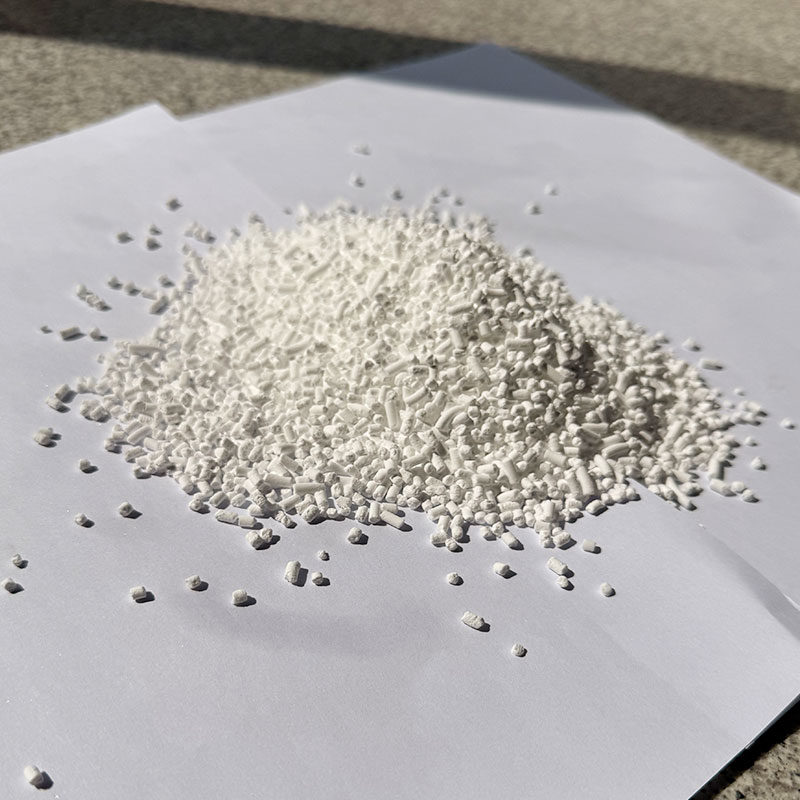
Table of Contents
- How TGIC Functions In Powder Coatings
- Main Uses In Pure Polyester Powder Coatings
- Use In Carboxyl-Containing Acrylic Systems
- Why TGIC Is Chosen For Outdoor-Grade Performance
- Mechanical And Thermal Performance In Real Applications
- What Formulators Usually Consider When Using TGIC
- Industries Where TGIC-Based Systems Are Common
- Why Product Quality Still Matters
- Conclusion
How TGIC Functions In Powder Coatings
TGIC is a heterocyclic epoxy compound used as a crosslinking agent. In powder coating formulations, it reacts with carboxyl-functional polyester resin during the curing process. Once heated to the proper temperature range, the resin and curing agent form a tightly crosslinked network. That reaction is what gives the final coating its hardness, chemical stability, and outdoor durability.
This function is especially important in exterior-grade powder coatings. A coating used outdoors faces much more than basic wear. It must tolerate sunlight, moisture, temperature fluctuation, and long exposure to air without breaking down too quickly. TGIC helps the cured film maintain a stronger structure under those conditions, which is why it has long been associated with high-performance polyester powder coatings.
The material is also valued because it offers a relatively broad processing window. That gives formulators more flexibility during production and curing, especially when balancing appearance, mechanical properties, and weatherability in the final coating system.
Main Uses In Pure Polyester Powder Coatings
The most common use of TGIC is in pure polyester powder coatings. In this type of system, TGIC acts as the curing agent for the polyester resin. This combination is widely chosen for outdoor applications because it can provide excellent weather resistance, UV durability, and good overall film performance.
In practical coating work, that means TGIC-cured polyester powders are often selected for products that need long-term exterior exposure. Outdoor furniture, architectural metal parts, fencing, agricultural equipment, street installations, aluminum profiles, and many other metal components can benefit from this type of coating system. These products need a finish that can resist fading, chalking, gloss loss, and surface degradation more effectively than a basic interior coating.
TGIC also contributes to film toughness and adhesion. A coating is only useful if it stays attached well and resists cracking or premature failure during service. In that sense, TGIC supports both protective and decorative functions in the finished coating.
Use In Carboxyl-Containing Acrylic Systems
Although TGIC is strongly associated with polyester powder coatings, it can also be used as a crosslinker in carboxyl-containing polyacrylate systems. In these formulations, it performs a similar chemical role by reacting with functional groups in the resin to build the cured network.
This use is more specialized, but still important in certain industrial applications where formulators want a particular balance of film properties. Depending on the system design, TGIC can help improve hardness, adhesion, and environmental resistance in the final coating. For buyers and formulators, this means TGIC is not limited to one narrow powder chemistry. It has broader formulation value when matched correctly to resin type and performance target.
Why TGIC Is Chosen For Outdoor-Grade Performance
One of the strongest reasons TGIC is used is its contribution to outdoor-grade coating performance. Many Curing Agents can build a film, but not all of them support long-term exterior durability in the same way. TGIC is often selected because it helps powder coatings achieve strong weather resistance and good retention of appearance over time.
This matters in markets where coated metal products are expected to remain attractive and functional after years of outdoor exposure. A coating that loses gloss quickly, discolors under UV light, or breaks down in heat and moisture will reduce the value of the whole finished product. TGIC-based systems are often preferred when stable outdoor performance is a major requirement rather than a secondary feature.
The result is not only technical durability, but also more reliable visual performance. That includes better gloss retention, cleaner surface appearance, and a stronger ability to withstand outdoor service conditions.
Mechanical And Thermal Performance In Real Applications
TGIC is also used because it supports mechanical strength and high-temperature performance in the cured film. In powder coatings, surface appearance is only one part of the job. The coating also needs to resist impact, handle minor stress, and remain stable after curing and during service.
A well-cured TGIC system can contribute to a coating film that feels balanced rather than brittle. This is useful in metal products that are moved, installed, or exposed to regular use. At the same time, TGIC is associated with good thermal resistance, which helps the coating maintain performance when exposed to elevated temperatures during baking and later service.
For coating manufacturers, this balance matters. A film that looks smooth but fails mechanically is not a good industrial solution. TGIC is valued because it helps combine appearance with durability in a more dependable way.
What Formulators Usually Consider When Using TGIC
In formulation work, TGIC is not used randomly. Its dosage is usually calculated based on the acid value of the polyester resin or adjusted according to the chemistry of the resin system. That means TGIC use is closely linked to formulation design rather than being treated as a simple filler or general additive.
This is one reason TGIC remains a product for technical buyers rather than only for general chemical purchasing. The value comes from how well it fits the resin system, cure schedule, and final coating target. A formulator may choose TGIC not only for weatherability, but also for cure balance, film smoothness, gloss performance, and long-term durability in the intended application.
In supply terms, physical characteristics also matter. White granules or powder form, appropriate epoxy equivalent level, low chlorine content, and a controlled melting range all influence process stability and final formulation behavior.
Industries Where TGIC-Based Systems Are Common
TGIC is most relevant in industries that depend on durable thermosetting powder coatings. This includes building materials, metal furniture, transportation-related components, electrical equipment housings, garden products, and general industrial parts used outdoors. In these sectors, coating failure does not only affect appearance. It can also reduce corrosion protection and shorten product life.
Because of this, TGIC-based curing systems are often chosen when the end user expects both decorative quality and real environmental resistance. The coating needs to look clean, cure properly, and maintain its performance through weather exposure and handling. That is where TGIC continues to show practical commercial value.
Why Product Quality Still Matters
Not all TGIC performs equally well in real production. For powder coating manufacturers, consistency is critical. A curing agent needs to behave predictably in extrusion, storage, curing, and final application. If the raw material quality varies too much, the final coating can become harder to control.
This is why buyers usually pay attention not only to the product name, but also to specification stability. Epoxy equivalent, chlorine content, melting behavior, and appearance all affect formulation performance. For producers aiming at outdoor-grade powders with strong UV durability and gloss retention, a more stable TGIC source makes process control easier and supports more reliable product output.
Conclusion
So, what is triglycidyl isocyanurate used for? In most cases, it is used as a curing agent for polyester powder coatings and certain carboxyl-containing acrylic systems. Its main purpose is to help form a durable crosslinked coating film with strong weather resistance, heat resistance, adhesion, gloss retention, and mechanical performance. That is why it is widely used in powder coating formulations designed for outdoor and demanding industrial applications.
For buyers, formulators, and coating manufacturers, TGIC is not just a raw material name. It is a functional part of coating performance. When selected and used properly, it helps create powder coatings that stay more stable and reliable in real service conditions.
If you are evaluating TGIC for powder coating formulations or looking for a more suitable curing agent for outdoor-grade systems, feel free to contact our team. We can help you review specifications, application direction, and product selection points based on your coating needs.
Previous: What Is Primid in Powder Coating