




Why Do Manufacturers Switch To Haa for Environmentally Friendly Coatings?
Environmental compliance has become a major factor in powder coating production. Many manufacturers are under pressure to reduce hazardous substances, meet customer requirements, and keep coating performance stable at the same time. This is one reason HAA curing agent has become a common choice for polyester powder coating systems.
HAA, also known as hydroxyalkyl amide, is widely used as a TGIC-free curing agent. It helps manufacturers produce more environmentally friendly coatings while maintaining good curing performance, surface appearance, and indoor application stability. For factories handling commercial-grade coating production, choosing the right curing agent is not only about formulation. It also affects compliance, production consistency, cost control, and long-term supply.
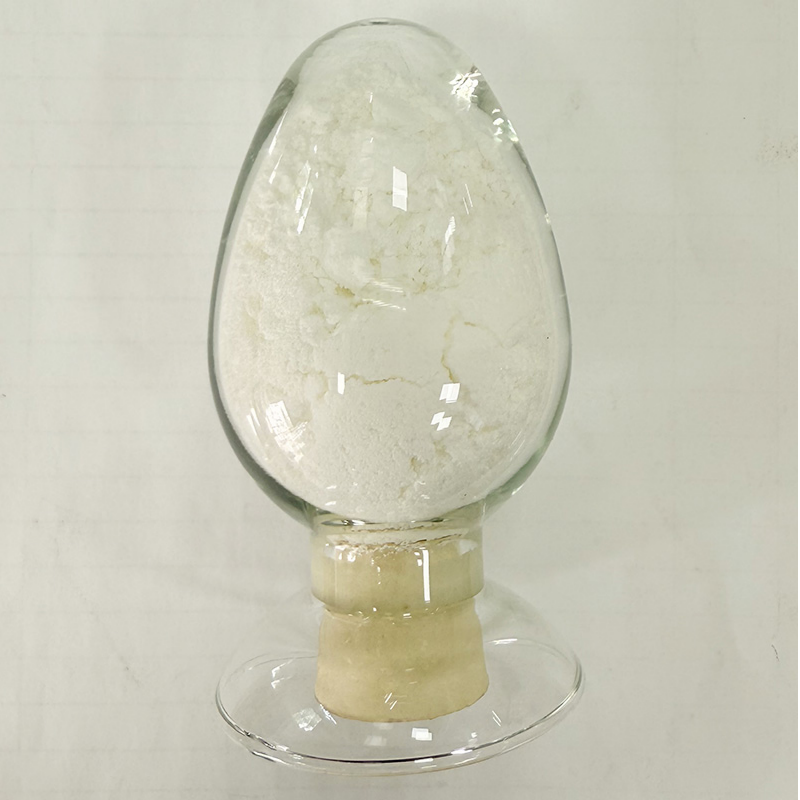
Table of Contents
HAA Supports TGIC-Free Coating Formulations
Traditional TGIC curing systems have been used in powder coatings for many years, but more manufacturers are now looking for safer alternatives. HAA is a popular choice because it allows polyester powder coatings to be produced without TGIC while still providing reliable curing performance.
For manufacturers exporting to different markets, TGIC-free coating systems can make product communication easier. Buyers in furniture, appliances, metal fixtures, electrical components, and general industrial parts often care about whether the coating system meets safer material expectations. Using HAA can help suppliers respond to these requirements more confidently.
Our HAA curing agent is designed for polyester powder coating applications and supports stable indoor coating performance. It can be used by coating factories, powder coating producers, and OEM/ODM manufacturers that need a more environmentally friendly curing solution for bulk production.
Better Fit For Environmentally Friendly Production
Environmental coating is not only a marketing concept. For many factories, it is linked to audits, customer documentation, export requirements, and procurement standards. When buyers request cleaner coating systems, manufacturers need materials that help reduce compliance pressure without creating new production problems.
HAA curing agent supports this shift by helping manufacturers build TGIC-free powder coating formulations. This makes it suitable for factories that want to improve their environmental positioning while keeping production practical.
Compared with changing an entire coating system, switching to HAA can be a more direct way to upgrade formulation direction. Manufacturers can work with a qualified supplier to test curing conditions, adjust dosage, and confirm final coating performance before scaling up to bulk order production.
Stable Curing Performance For Polyester Powder Coatings
A key concern for B2B buyers is whether environmentally friendly materials can still deliver stable performance. In powder coating production, poor curing can lead to weak adhesion, rough surface, low mechanical strength, or inconsistent gloss. These problems can increase rework and reduce delivery efficiency.
HAA curing agent is widely used because it supports good curing reaction with polyester Resin systems. When the formula is properly adjusted, it can help produce coatings with smooth appearance, stable film formation, and reliable performance for indoor applications.
For coating manufacturers, this matters in daily production. A stable curing agent helps reduce batch variation and supports predictable processing. This is especially important for wholesale orders, OEM coating projects, and factories supplying multiple customer specifications.
Common Applications For HAA Curing Agent
HAA is mainly used in polyester powder coating systems, especially where TGIC-free and environmentally friendly coating solutions are required. It is suitable for a wide range of indoor metal coating applications.
Common application areas include:
Home appliance coatings
HAA-based polyester powder coatings can be used for metal parts in appliances where surface appearance, indoor durability, and stable curing are important.
Furniture and shelving systems
For metal furniture, display racks, storage shelves, and office fixtures, HAA helps support clean coating systems with stable appearance and practical processing.
Electrical enclosures and indoor hardware
Indoor electrical cabinets, control boxes, brackets, and hardware parts often require coatings with good surface protection and stable production performance.
General industrial metal products
For factories producing stamped, welded, or fabricated metal parts, HAA-based coating systems can support bulk coating needs while meeting cleaner formulation goals.
These applications show why HAA is not only a chemical material, but a practical production solution for manufacturers that need both environmental value and commercial output.
What Manufacturers Should Check Before Switching To HAA
Before changing from a TGIC system to an HAA system, manufacturers should review the full coating process. A curing agent change may affect formulation balance, baking condition, storage stability, and final coating performance.
Important points include:
Polyester resin compatibility
HAA should be matched with suitable Polyester Resins. Compatibility affects curing efficiency, surface quality, and film performance.
Baking temperature and curing time
Factories should test whether the existing production line can support the required curing conditions. This helps avoid under-curing or unnecessary energy cost.
Appearance requirements
Gloss, leveling, texture, and color stability should be tested before mass production, especially for customer-facing products.
Storage and handling
Powder coating materials must remain stable during storage and transportation. Manufacturers should confirm practical handling conditions before large orders.
Bulk order consistency
For project buyers and coating producers, consistent batch quality is critical. This is why many buyers prefer working with a reliable bulk haa curing agent supplier instead of only comparing unit price.
Why Supplier Selection Matters
Switching to HAA is easier when the supplier can support technical communication and stable supply. For manufacturers, the biggest risk is not only material cost. The bigger risk is production interruption, unstable curing, inconsistent batches, or delayed delivery during customer projects.
A capable supplier should understand powder coating applications, provide clear product specifications, support sample testing, and keep batch quality stable. This is especially important for OEM/ODM coating projects, where the final customer may have strict requirements for appearance, performance, packaging, and delivery schedule.
PCOTEC provides HAA curing agent for polyester powder coating applications and supports buyers who need reliable material supply for coating production. For factories upgrading to TGIC-free systems, our HAA can help support cleaner formulation development and stable commercial production.
Conclusion
Manufacturers switch to HAA because it helps create TGIC-free, environmentally friendly powder coatings while maintaining practical curing performance. It is especially useful for polyester powder coating systems used in appliances, furniture, electrical enclosures, indoor hardware, and general industrial metal products.
For B2B buyers, the right HAA curing agent should support environmental goals, stable processing, consistent batches, and flexible project cooperation. A good supplier does more than ship material. It helps buyers reduce testing risk, improve formulation confidence, and keep bulk production moving smoothly.
Looking for HAA curing agent for your polyester powder coating system? Send us your application, target coating performance, curing condition, and order plan. Our team can help review your requirements and recommend a suitable solution for your production needs.