




How To Compare TGIC And HAA Polyester Resin For Powder Coatings?
For powder coating manufacturers, choosing between TGIC and HAA polyester Resin is not just a technical discussion. It affects coating appearance, curing stability, outdoor performance, color control, production cost, and final customer satisfaction. A resin system that works well for outdoor aluminum profiles may not be the best choice for indoor metal furniture. A resin that gives good color stability may require more attention during formulation and baking.
For buyers sourcing polyester resin for powder coating, the better approach is to compare TGIC and HAA systems from the real coating application. Our polyester resin materials are developed for powder coating production where stable curing, smooth film appearance, mechanical performance, and batch consistency are important. They can be used for different markets, including architectural parts, appliances, metal furniture, cabinets, general industrial components, and decorative metal finishes.
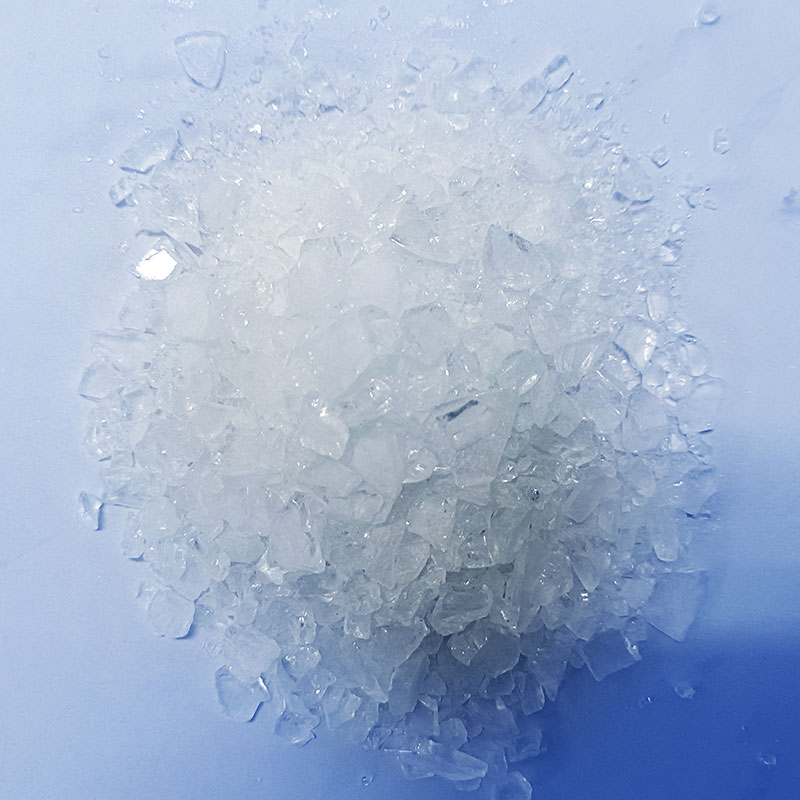
Table of Contents
Understand What TGIC And HAA Actually Change
Polyester resin is the main film-forming material in a powder coating. It helps decide how the coating flows, cures, bonds to the surface, resists weathering, and keeps its final appearance after baking. TGIC and HAA are different curing routes. They react with polyester resin in different ways, so the final coating performance will also be different.
TGIC systems are often chosen when outdoor durability is a key requirement. They usually give strong weather resistance, good gloss retention, and reliable film strength. HAA systems are often chosen for a cleaner environmental direction, good color stability, and smoother appearance in many indoor or decorative coating applications.
For coating factories, the question is not which system is always better. The real question is which system fits the product, customer standard, curing line, target price, and market requirement.
When TGIC Polyester Resin Makes More Sense
TGIC polyester resin is commonly used for outdoor powder coatings. It is suitable for products that need to face sunlight, rain, temperature changes, and long-term exposure. This includes aluminum profiles, outdoor furniture, fencing, guardrails, machinery housings, building components, and metal parts used in open-air environments.
The main reason many factories still use TGIC systems is performance stability. tgic-cured polyester resin can give good outdoor resistance and a wider processing window. This is useful for production lines that need stable extrusion, smooth film formation, and repeatable curing results.
For bulk buyers, TGIC systems are often attractive when customer projects care about durability more than the lowest material cost. If the coating fails outdoors, the cost is not only a rejected batch. It may lead to repainting, complaints, delayed projects, and lost repeat orders.
The point buyers should check is market compliance. Some markets have stricter views on TGIC use, so manufacturers should confirm local requirements before choosing this system for export coatings.
When HAA Polyester Resin Is A Better Fit
HAA polyester resin, also known as Primid-cured polyester resin, is often selected for indoor powder coatings and decorative finishes. It is useful when buyers want good film appearance, cleaner curing direction, and better color stability, especially for light colors, white coatings, cabinets, shelves, furniture, and appliance parts.
HAA systems are also attractive for buyers who want to reduce concerns related to TGIC in certain markets. For coating manufacturers serving household products, indoor metal parts, and decorative hardware, HAA can be a practical choice.
However, HAA systems need careful formulation control. If resin selection, curing ratio, pigment loading, extrusion condition, or baking temperature is not well matched, the coating may show pinholes, poor flow, reduced gloss, or uneven surface appearance. This is why buyers should not only ask for a resin price. They should also discuss the coating target and production conditions before ordering.
Compare By Application Instead Of Product Name
A common mistake is choosing resin only by the curing agent name. TGIC and HAA are not simple labels. They represent different coating directions.
For outdoor coatings, buyers should focus on UV resistance, weatherability, gloss retention, and mechanical strength. For indoor coatings, buyers may care more about surface smoothness, color stability, curing efficiency, and cost balance. For appliance coatings, the resin may need stable appearance, good hardness, and resistance to daily cleaning. For metal furniture, flexibility and impact resistance may be just as important as gloss.
Before confirming a bulk order, coating manufacturers should review:
Final application environment
Indoor or outdoor use
Target gloss level
Required color stability
Curing temperature and oven time
Extrusion and grinding conditions
Pigment and additive compatibility
Customer testing standards
Repeat order quantity and delivery schedule
These points help buyers avoid choosing a resin that looks suitable on paper but creates problems during production.
What B2B Buyers Usually Worry About
Powder coating factories often face pressure from both production and customers. They need a resin that runs smoothly on the line, but they also need finished coatings that pass appearance and performance checks. When the wrong resin system is selected, problems may appear as poor leveling, orange peel, gloss variation, weak flexibility, color shift, or unstable curing.
For distributors and project buyers, supply stability is another concern. If resin quality changes from batch to batch, coating factories may need to adjust formulas again and again. That increases production time and testing cost. Stable acid value, viscosity, Tg, curing behavior, and technical communication are important for repeat production.
This is where supplier support becomes valuable. Buyers need more than a material. They need help matching the resin system with their real production process.
Support For Custom Formulation Needs
Different markets may require different coating performance. Some buyers need TGIC polyester resin for outdoor architectural coatings. Some need HAA polyester resin for indoor furniture or light-color appliance coatings. Some local distributors may need resin options that match their customers’ curing ovens, gloss targets, and price range.
As a resin supplier, we can support OEM and ODM coating projects with resin selection, formulation discussion, sample testing communication, and bulk supply planning. Buyers can share their application, coating type, curing condition, gloss requirement, and target market before ordering. This helps reduce testing mistakes and makes the purchasing decision more practical.
Conclusion
TGIC and HAA polyester resin systems both have clear value in powder coating production. TGIC is usually stronger for outdoor durability, weather resistance, and stable film performance. HAA is often better for indoor decorative coatings, light-color finishes, and markets that prefer a cleaner curing route.
The best choice depends on where the coating will be used, how it will be cured, what appearance the customer expects, and what market standard the finished coating must meet. If you are comparing resin systems for powder coating production, send us your application, curing schedule, gloss target, color requirement, and order quantity. We can help review the suitable resin direction and provide practical purchasing guidance before your next bulk order.