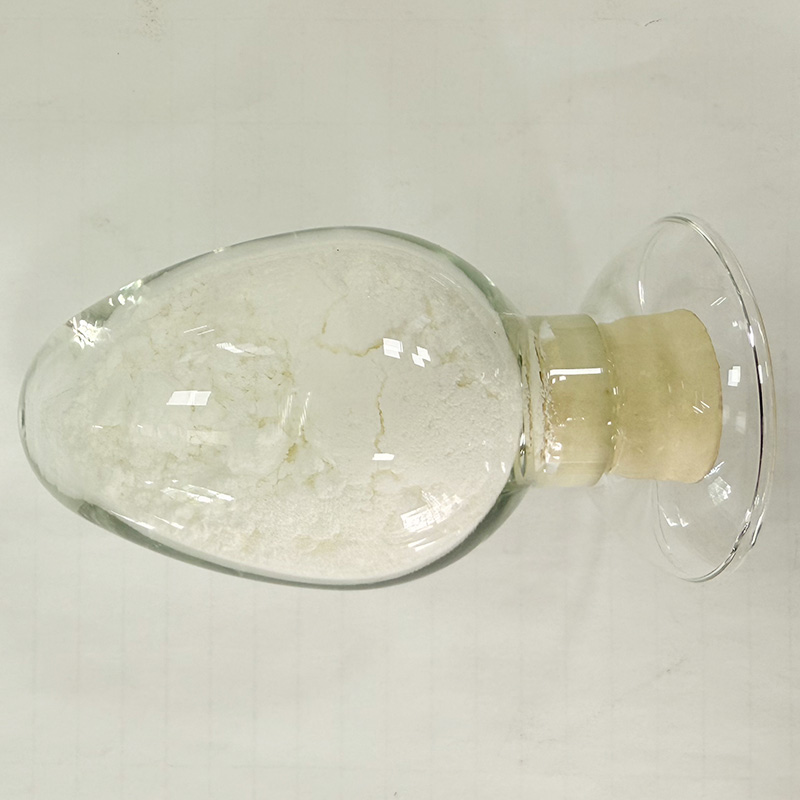




How Does HAA Powder Coating Solve Weathering and Yellowing Issues in Outdoor Applications?
Walk onto any commercial construction site where silver or white aluminum panels have been baking under the sun for a year, and you will see the ultimate nightmare of an industrial coating shop. The surface looks completely dead. It is covered in a chalky white film that rubs off on your fingers, and the original clean shade has drifted into a dingy, aged yellow. To a purchasing broker who just buys standard polyester Resins off a trading board, powder is powder. But to an onsite QA inspector looking at a multi-million dollar building facade under noon UV rays, that formulation choice is the difference between a successful contract and a catastrophic product liability lawsuit.
The moment that gloss level drops or the color drifts out of the acceptable delta-E window, the general contractor halts your final invoice payments, files an insurance claim, and demands that your shop pays for the manual stripping and re-spraying of every single installed panel.
Table of Contents
The Breakdown Point of Traditional Crosslinkers Under Direct Sun
The real threat to an extrusion coating plant isn't just the price of raw materials per bag; it is the volatile thermal stability inside your direct-fired gas ovens. For years, the outdoor finishing trade leaned heavily on toxic TGIC Curing Agents to survive the sun. But as modern environmental codes and toxicological crackdowns lock TGIC out of premium commercial bids, coaters are forced to scramble for eco-friendly alternatives without understanding the chemical traps involved.
Standard non-toxic powders have an incredibly narrow baking window. If your conveyor line slows down for five minutes, or if your gas burners spike by a mere 5°C, the excess heat breaks the polymer chains before the metal even exits the cooling zone, triggering immediate thermal yellowing right inside your shop.
Locking a high-purity HAA Powder Coating system into your raw material mix cuts this processing risk out of your operation completely. Hydroxyalkylamide (HAA) creates a dense, highly crosslinked tetrahedral chemical structure that prevents solar photons from ripping the polyester resin matrix apart.
Because an HAA Powder Coating produces zero toxic emissions or hazardous waste, your production line sidesteps compliance fines and safely clears the strictest global chemical safety audits. Your plant can confidently bid on government infrastructure tenders and green-building projects without worrying about sudden environmental shutdowns or post-installation color breakdown.
Defeating Micro-Pinholes and Gas Contamination in High-Thickness Spraying
From a strict polymer formulation perspective, switching to a high-performance hydroxyl-alkylamide system introduces one major technical hurdle: managing the water vapor generated during the esterification crosslinking reaction. If your line operators spray a protective layer thicker than 70 microns, or if the surface skins over too quickly in the infrared pre-heater, that chemically released moisture gets trapped in the melting film, leaving a surface full of microscopic pinholes that let saltwater rust the raw aluminum underneath.
Our chemical synthesis plant solves this specific application bottleneck by engineering highly pure, crystal-matrix crosslinking agents that optimize gas release times during the gel phase. If your formulation team is trying to balance outdoor color retention with zero-defect surface slickness, reviewing the thermodynamic parameters of our
We synthesize our specialized HAA Powder Coating curing components with advanced structural modifiers that slow down the surface closure just long enough for reaction water to vent out completely from the molten film. This stops pinholing dead, allowing your team to run direct-fired gas ovens without accumulating nitrogen oxide yellowing pollutants in the chamber. The result is a heavy, mirror-smooth protective coat that maintains its gloss, shrugs off harsh chemical cleaners, and passes 1,000-hour QUV accelerated weathering tests without a single trace of early color fading.
Concrete Data for Paint Line Managers and Formulators
If your chemical manufacturing group, powder blending plant, or heavy-duty architectural spray shop is re-engineering its outdoor product catalogs to replace old-school toxic crosslinkers, do not guess at your stoichiometry ratios. Our technical laboratory delivers raw, unpolished formulation metrics tailored to your specific resin acid values and oven transit speeds.
Instead of mailing you a generic sales pamphlet or a blank RFQ form, our chemists will provide our raw outgassing limit curves, direct-fired gas oven yellowing tolerance matrices, and exact crosslinking density math models. Contact our chemical engineering desk this week to run a compatibility audit on your current polyester batches, and let us set up a factory-direct supply line that keeps your spray lines moving fast and your outdoor architectural contracts completely safe from weathering claims.