



TGIC Polyester Powder Coat: Is It Still Worth Using in 2026?
For powder coating factories, outdoor metal product manufacturers, architectural component suppliers, and coating material distributors, the question is no longer only whether TGIC systems can deliver durability. The more practical question is whether the system can still fit newer production goals: faster curing plans, different Resin grades, upgraded Additives, stricter color control, and more efficient coating lines.
TGIC Polyester Powder Coat is still valuable in many outdoor coating applications, but it should not be selected by habit. If the resin, curing agent, pigment, filler, additive, extrusion condition, and oven window are not compatible, the coating factory may face unstable flow, poor leveling, weak gloss control, surface defects, or inconsistent curing. In bulk production, these issues can limit project options and slow down technical decisions.
Table of Contents
The Real Issue Is Compatibility, Not Only Performance
TGIC-cured polyester systems are known for strong outdoor durability, crosslink density, and weather resistance. That is why they are often considered for architectural profiles, outdoor furniture, machinery housings, metal enclosures, railings, and other exterior metal parts.
But performance on paper is not enough. A coating formula must work smoothly inside the factory. If the resin grade reacts too fast for the oven line, the surface may not level well. If the formulation does not match the pigment package, color stability may become difficult. If additives are not compatible with the base resin, the coating may show pinholes, poor flow, or inconsistent gloss.
For B2B buyers, this compatibility issue can become a project bottleneck. The coating system may be technically strong, but if it cannot adapt to the factory’s equipment and application target, the production team will spend more time adjusting formulas instead of moving orders forward.
2026 Buyers Need More Flexible Formulation Choices
Many coating factories now want materials that can support different product categories without forcing a full process change. They may need one system for outdoor durability, another for better leveling, another for yellowing resistance, and another for a faster curing schedule.
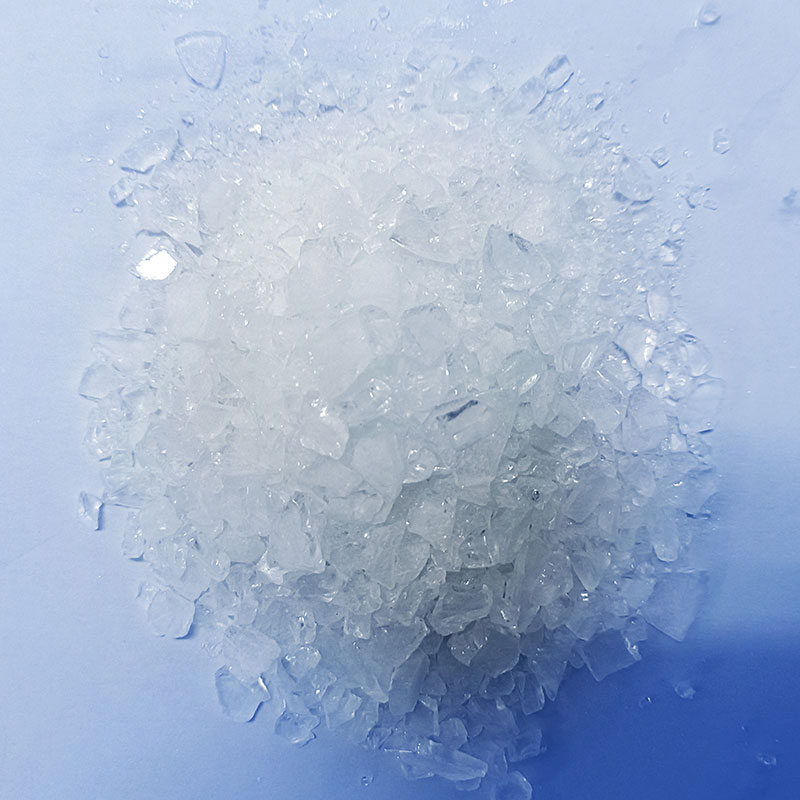
We are PCOTEC, and our TGIC-Cured Polyester Resin System includes grades with different acid values, viscosity ranges, glass transition temperatures, and curing conditions such as 200/10 and 200/15. This gives coating manufacturers more room to match resin behavior with line speed, oven temperature, gloss requirement, and final application.
For buyers comparing TGIC Polyester Powder Coat options, this flexibility matters. A single fixed resin direction may not be enough when the factory needs to serve different projects. The better choice is a system that can be adjusted according to real coating targets.
Poor Matching Can Limit High-Efficiency Production
A high-efficiency coating line depends on predictable material behavior. If the powder coating formula cannot melt, flow, cure, and form film within the expected process window, the line loses efficiency. Operators may slow the conveyor, raise oven temperature, adjust extrusion settings, or repeat testing.
These adjustments cost time. They also create uncertainty for project scheduling.
For example, an outdoor coating order may require high weather resistance, strong mechanical strength, and smooth appearance. If the TGIC resin system is not matched with the right curing window and additives, the factory may struggle to balance durability and surface quality. This is where compatibility directly affects technical selection.
The issue is not whether TGIC is useful. The issue is whether the chosen system can work with the factory’s actual components, process conditions, and coating performance target.
Technical Support Becomes Part Of The Material Value
In 2026, many buyers no longer want to purchase resin as an isolated raw material. They need support in grade selection, pigment and additive compatibility, sample extrusion, curing adjustment, and application testing. Without this support, formula development becomes slower and more dependent on trial and error.
PCOTEC provides resin selection recommendations, compatibility checks, sample extrusion testing, and application validation. For coating factories, this support can help reduce repeated formulation changes and make it easier to choose between different tgic-cured polyester resin grades.
This is especially useful when buyers are developing powder coatings for outdoor metal products, architectural components, general industrial parts, or customized coating projects. The factory can review the required film appearance, curing condition, gloss target, weatherability need, and mechanical performance before locking the formula.
When TGIC Polyester Powder Coat Is Still Worth Using
TGIC Polyester Powder Coat is still worth considering when the project needs outdoor durability, stable crosslinking, chemical resistance, mechanical strength, and a wider processing window. It is especially suitable when the buyer can match the resin system with the correct curing schedule, additives, pigments, and production line conditions.
It may not be the best direction when the buyer only wants the lowest-cost formula or when local project requirements point toward a different curing chemistry. For responsible B2B sourcing, the material should be reviewed together with application environment, compliance needs, coating line settings, and long-term performance expectations.
Conclusion
TGIC polyester powder coating systems can still have strong value in 2026, but the buying decision should be based on compatibility rather than habit. A strong resin system should help coating factories reduce formulation uncertainty, support stable film formation, and match newer production requirements without slowing down the line.
For coating manufacturers, distributors, and outdoor metal product suppliers, the best starting point is to review the formula target first: curing temperature, line speed, surface appearance, gloss, pigment system, additive package, and final application. Once these details are clear, we can help check whether a TGIC-cured polyester resin system is suitable for your production plan before larger batch preparation begins.