




How Leveling Agents Improve Coating Performance on Complex Shapes?
Complex shapes are where powder coating formulations get tested in real production. Flat panels are usually easier to coat well, but edges, corners, recesses, bends, weld areas, perforated parts, and multi-angle structures often reveal surface problems much faster. Orange peel, poor flow, local shrinkage, uneven gloss, and weak film appearance are more likely to show up on these geometries. That is why leveling agents are not a minor additive in many formulations. They are often one of the practical tools that helps a coating perform more consistently on difficult shapes. PCOTEC’s Leveling Agent Mode is built around that role. It is an acrylate polymer-based additive designed to adjust surface tension, homogenize the coating, improve leveling during curing, reduce orange peel, eliminate shrinkage cavities, and provide strong wetting performance, with a recommended dosage of 0.6 to 0.8 percent and compatibility across powder coating systems.
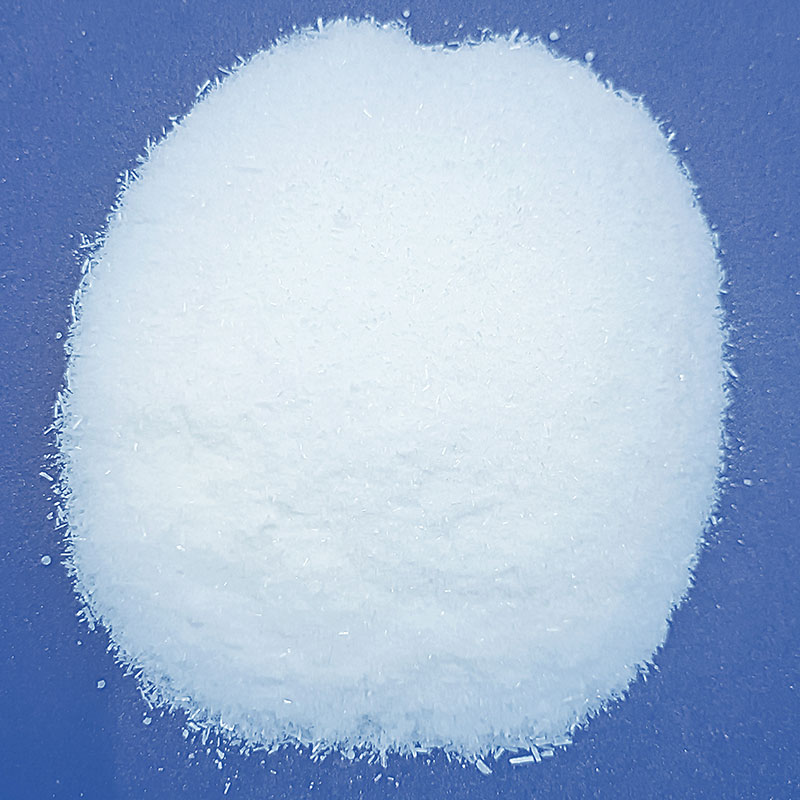
Table of Contents
- Why Complex Shapes Create More Surface Problems
- How A Leveling Agent Changes What Happens During Curing
- Better Flow Means Better Appearance On Irregular Parts
- Why Orange Peel Becomes More Visible On Complex Geometry
- Shrinkage Cavities And Wetting Problems Cost More Than They Seem
- Why Silicone-Free Formulation Matters In Some Projects
- Easier Dispersion Helps Real Production Stability
- Complex Shapes Need More Than A Generic Additive Choice
- Why This Matters For Cost And Customer Satisfaction
- Conclusion
Why Complex Shapes Create More Surface Problems
For many buyers, the problem is not whether a coating can pass on a standard sample panel. The real issue is whether it can still produce a smooth, stable finish on the actual product. Complex shapes change how powder deposits, melts, flows, and levels before the film sets. Sharp angles and recessed areas can create uneven melt movement. Parts with multiple edges or stamped details can show visible surface tension imbalance. Decorative metal components, appliance housings, lighting parts, shelving frames, and irregular industrial parts often expose these problems quickly.
This is one reason coating buyers often face repeated frustration during trial production. A formula may look acceptable in small testing, but once it moves to a real line with more difficult part geometry, the finish can become inconsistent. Rework rises, output slows, and the complaint is usually described in simple terms such as poor appearance or unstable gloss. In reality, the issue often starts with melt flow and surface control during curing.
How A Leveling Agent Changes What Happens During Curing
A leveling agent works by helping the molten coating film spread more evenly before it fully sets. In practical production terms, that means the additive helps the coating overcome local surface tension differences that can create texture, waves, or visible surface defects. When a part has multiple curves, narrow transitions, or punched and folded areas, this becomes more important. A stronger leveling effect helps the film move into a more uniform state instead of freezing too early with defects still visible.
PCOTEC’s Leveling Agent Mode is positioned exactly around this mechanism. It is described as an additive that adjusts surface tension and significantly improves leveling during curing, while also homogenizing the coating. That combination matters on complex shapes because these parts usually need more than simple flow support. They need controlled melt behavior that stays even across different surface zones.
Better Flow Means Better Appearance On Irregular Parts
When buyers talk about coating quality on complex shapes, they are often really talking about appearance stability. They want fewer obvious texture differences between flat and formed areas. They want gloss to look more even. They want the finished surface to look commercial, not patched together by geometry. A good leveling agent supports that goal by helping the melt layer flow more smoothly across the part rather than stopping unevenly at edges or transitions.
This is especially relevant for products where appearance is part of the value. Metal furniture, indoor appliance housings, architectural components, retail fixtures, and decorative industrial parts are usually judged visually before anything else. On those products, a surface defect on a corner or recessed section can make the whole part look lower grade. PCOTEC highlights surface smoothing and defect reduction as key value points for this additive, which aligns directly with those appearance-focused project needs.
Why Orange Peel Becomes More Visible On Complex Geometry
Orange peel is one of the most common complaints in powder coating, and it often becomes more obvious on complex shapes than on flat panels. A textured look may appear acceptable on some products, but when the shape includes bends, radius changes, perforations, or detailed transitions, uneven flow can make the texture look uncontrolled rather than intentional. Buyers then see the finish as unstable, even if the coating still covers the surface.
This is where a leveling agent can have direct value. PCOTEC’s Leveling Agent Mode is specifically described as helping reduce orange peel. That is important because orange peel is not just a cosmetic detail in many commercial projects. It can affect perceived quality, shade consistency under lighting, and even the acceptability of repeat batches. For buyers supplying large projects or repeat orders, reducing that risk has real commercial value.
Shrinkage Cavities And Wetting Problems Cost More Than They Seem
On complex parts, another common issue is localized shrinkage or poor wetting during film formation. This can create small surface cavities or visible interruptions in film appearance, especially on areas where the substrate condition, shape, or local additive distribution makes the melt less stable. Even if these defects are limited to certain sections, they can still trigger rejection because buyers and end users do not evaluate only average appearance. They notice the worst visible area.
PCOTEC’s product description emphasizes that this additive can eliminate shrinkage cavities and includes an integrated wetting accelerator for strong wetting performance. For real production, that is a practical advantage. Better wetting helps the molten powder film spread more evenly across challenging zones, while shrinkage control reduces the chance of visible defects that interrupt the finish. On irregular products, that can be the difference between a passable result and a surface that needs rework.
Why Silicone-Free Formulation Matters In Some Projects
Not every buyer focuses on this point at the start, but silicone-free Additives can matter in applications where recoating adhesion and cleaner downstream processing are important. Some formulations perform well in leveling but create concerns in later stages, especially when compatibility or recoating performance becomes important in production planning. That is why the composition of the additive matters, not just the headline benefit.
PCOTEC notes that its Leveling Agent Mode does not contain silicone, which helps support clean application without affecting recoating adhesion. For buyers working with multi-step finishing, repair coating, or systems where downstream compatibility matters, that can be a useful point. It means the additive is not only about making the first appearance look better, but also about reducing later formulation or process complications.
Easier Dispersion Helps Real Production Stability
A coating additive may look strong on paper, but if it does not disperse well in the powder formulation, it can create inconsistency instead of solving it. This matters even more on complex shapes, because those parts are less forgiving. Any uneven additive distribution may show up as visible surface differences across the part. Buyers do not always describe this as a dispersion problem, but they experience it as unstable appearance between runs or within the same batch.
PCOTEC describes this leveling agent as being produced with specialized processing technology and as dispersing easily in powder formulations. That matters for manufacturers trying to scale from lab tests to routine production. Easy dispersion helps support a more uniform additive effect, which in turn supports more stable surface performance on difficult geometries.
Complex Shapes Need More Than A Generic Additive Choice
Many B-end buyers have already faced this problem: they use a standard formulation that works well enough on simple products, then a customer introduces a part with more complex geometry and the appearance target no longer feels safe. At that point, the solution is usually not to add more powder or change the gun settings alone. The coating chemistry itself often needs better control of flow and leveling.
That is where additive selection becomes more strategic. A leveling agent should match the formulation system, work reliably in extrusion, disperse well, and create a visible improvement where the part geometry is most challenging. If it cannot solve real production pain points, then it is only a theoretical improvement. Buyers looking at appliance housings, lighting parts, furniture tubing, shelving systems, stamped metal pieces, and decorative industrial components usually benefit from a more targeted additive approach rather than a general-purpose one.
Why This Matters For Cost And Customer Satisfaction
Surface defects on complex parts do not only affect appearance. They affect production efficiency and delivery confidence. Rework consumes powder, labor, and oven time. Rejection delays shipment. Inconsistent finish quality increases communication pressure between the coating supplier, the manufacturer, and the final buyer. For large-volume orders, even a small reduction in defect rate can create a meaningful cost difference over time.
That is why leveling agents matter commercially as well as technically. A smoother finish on hard-to-coat shapes supports better first-pass yield, more stable output, and fewer avoidable disputes about appearance. For many buyers, that is the real reason to evaluate additives carefully. They are not buying an ingredient. They are trying to protect production stability and product quality at the same time.
Conclusion
Leveling agents improve coating performance on complex shapes by helping the molten film flow more evenly, reducing orange peel, improving wetting, controlling shrinkage-related defects, and supporting a smoother final surface across difficult geometries. On parts with corners, bends, recesses, perforations, and structural transitions, that support becomes much more valuable than it may seem in lab testing on flat panels. A practical additive choice can help turn a formula from acceptable to production-ready.
If you are working on powder coating formulations for complex metal parts and want to improve finish quality without adding unnecessary process risk, feel free to contact us. We can help review your application, discuss additive compatibility, and provide guidance on how to use Leveling Agent Mode more effectively in your production system.