




How To Make Silicone Molds for Resin?
When people ask how to make silicone molds for Resin, they usually want more than a hobby answer. In real production, the question is about repeatability, surface finish, demolding stability, and whether the mold can support small-batch sampling or larger commercial runs. For distributors, workshop owners, OEM buyers, and resin-product brands, mold quality directly affects defect rate, labor time, and finished-part consistency.
The basic method is straightforward. A master model is prepared first, then placed in a mold box, and liquid silicone is poured around it. After curing, the silicone block is cut or separated to release the master, leaving a cavity that can later be filled with resin. The process sounds simple, but good results depend on choosing the right silicone system, controlling bubbles, planning the parting line, and matching the mold to the resin application.
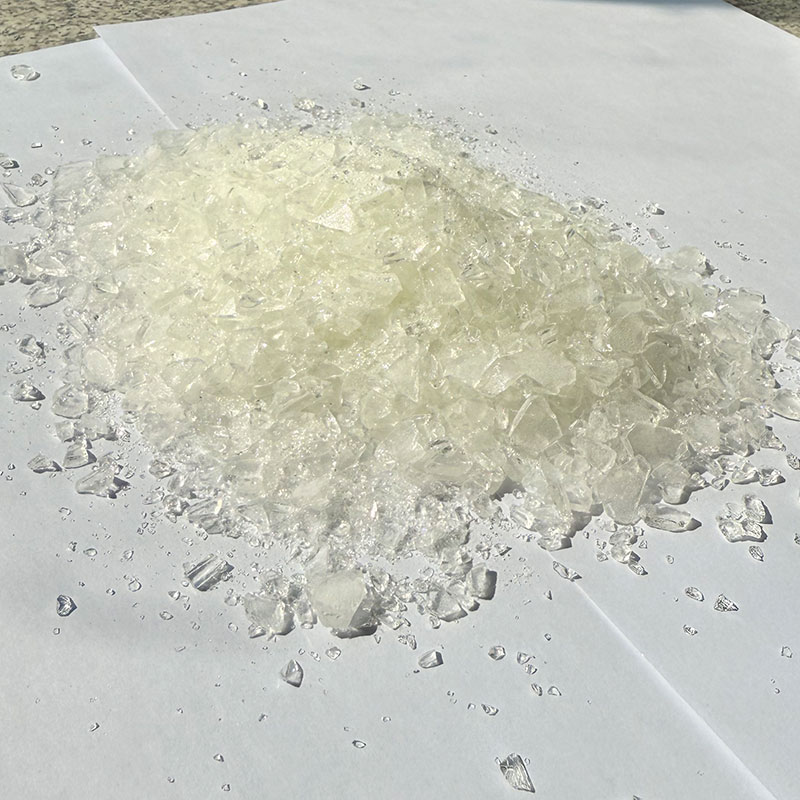
Table of Contents
- Start With The Right Master And Mold Design
- Choose Silicone By Application, Not By Name Alone
- Control Bubbles Before They Become Defects
- Cure Fully And Demold Carefully
- Think About Mold Life From The Start
- Where Our Product Fits In silicone and resin Projects
- Why B-End Buyers Need Clear Material Guidance
- Conclusion
Start With The Right Master And Mold Design
A good resin mold begins with a stable master. If the original part has rough edges, weak draft angles, or poor surface quality, the mold will copy every problem. That is why professional buyers focus on the master pattern before thinking about casting speed. The cleaner the master, the cleaner the finished resin part.
The mold box also matters. It should fit the master closely enough to avoid wasting material, but still leave enough wall thickness so the cured silicone holds its shape. In commercial work, this is where costs start to add up. Too much extra volume means higher silicone consumption. Too little support means deformation and shorter mold life.
Choose Silicone By Application, Not By Name Alone
For most resin casting molds, buyers usually choose RTV silicone rubber because it cures into a flexible elastomer that releases cast parts more easily. That flexibility is what makes custom silicone molds for resin practical for jewelry, décor parts, promotional products, craft items, prototypes, and branded components.
This is also where B-end purchasing becomes more technical. A mold silicone should match the resin type, the expected mold life, the shape complexity, and the required finish. Buyers often ask only about hardness, but the better question is whether the silicone can keep detail, resist tearing, and maintain dimensional stability across repeated pours.
Control Bubbles Before They Become Defects
One of the biggest problems in mold making is trapped air. Bubbles on the mold surface become marks on every cast part that follows. In small workshops, this often leads to hand rework. In batch production, it leads to waste and unstable quality.
A slower, controlled pour helps, and many operators also use vacuum or pressure support when the project demands finer detail. Thin streams and careful box positioning reduce bubble risk as well. For buyers producing samples for clients or export orders, this step is not optional. Surface defects can quickly make a mold unsuitable for repeat commercial use.
Cure Fully And Demold Carefully
After pouring, the silicone needs enough time to cure properly. Rushing this stage can distort the cavity or damage fine edges. Once fully cured, the mold should be opened in a way that supports easy release while keeping the cavity shape intact. A poor cut line can make future casting slower and less accurate.
For resin-product businesses, this stage matters because mold usability affects production speed. A mold that opens cleanly, fills easily, and releases parts without damage gives much better long-term value than one that only looks acceptable on the first pour.
Think About Mold Life From The Start
Many buyers focus on how to make one mold, but the better business question is how long that mold will keep working. Mold life depends on silicone quality, resin chemistry, casting temperature, storage condition, and how aggressively the operator demolds each piece. If the project requires repeat orders, consistent mold performance becomes part of cost control.
This is why professional buyers often ask for technical support instead of only buying raw material by price. They need to know whether the silicone system fits prototype work, short-run production, or a broader OEM program. A supplier that understands application use is more useful than one that only lists basic material grades.
Where Our Product Fits In silicone and resin Projects
It is important to separate two different material roles here. For making resin molds, users normally need mold-making silicone rubber. Our product is Silicone Resin, which belongs to a different silicone-based material category used in high-performance powder-coating systems rather than flexible mold making. It is a methylphenyl organosilicon resin with silanol groups, designed for high heat resistance, weatherability, UV stability, hydrophobicity, and chemical durability in coating formulations. The site also notes that introducing 30 percent silicone can raise the continuous heat resistance of organic resins to 600°C, and that the company supports technical customization, formulation guidance, and application support.
That difference matters for serious buyers. If your goal is to produce custom silicone molds for resin, you need flexible silicone rubber. If your project is resin-system development for heat-resistant or weather-resistant powder coatings, then silicone resin becomes relevant. In other words, both belong to resin-related sourcing, but they solve different production problems. For industrial customers, having a supplier that understands resin chemistry, customization, and application support is still valuable when planning broader product lines or OEM material programs.
Why B-End Buyers Need Clear Material Guidance
One common pain point is ordering a silicone-based material without fully checking whether it is for molding, coating, sealing, or formulation work. That confusion creates delays, wrong samples, and unnecessary cost. Another issue is scale-up. A material that looks fine in lab testing may not stay efficient in repeat production without stable supply and technical follow-up.
That is why buyers in resin manufacturing, industrial coatings, and customized material programs usually care about more than one product sheet. They want application guidance, batch consistency, and support for OEM or specification adjustment. Those points are especially important when the purchase is tied to export orders, private-label projects, or long-term industrial supply.
Conclusion
So, how to make silicone molds for resin? The practical answer is to start with a strong master, build a properly sized mold box, use the correct flexible mold-making silicone, control bubbles, and cure the mold fully before production use. For commercial work, the real goal is not just making one mold, but creating a mold that casts cleanly and performs consistently over time.
If your project involves resin applications and you are also reviewing silicone-based material options for industrial use, feel free to contact us. We can help you discuss application direction, formulation support, and customized supply needs, especially for silicone resin systems used in coating and performance-driven resin projects.